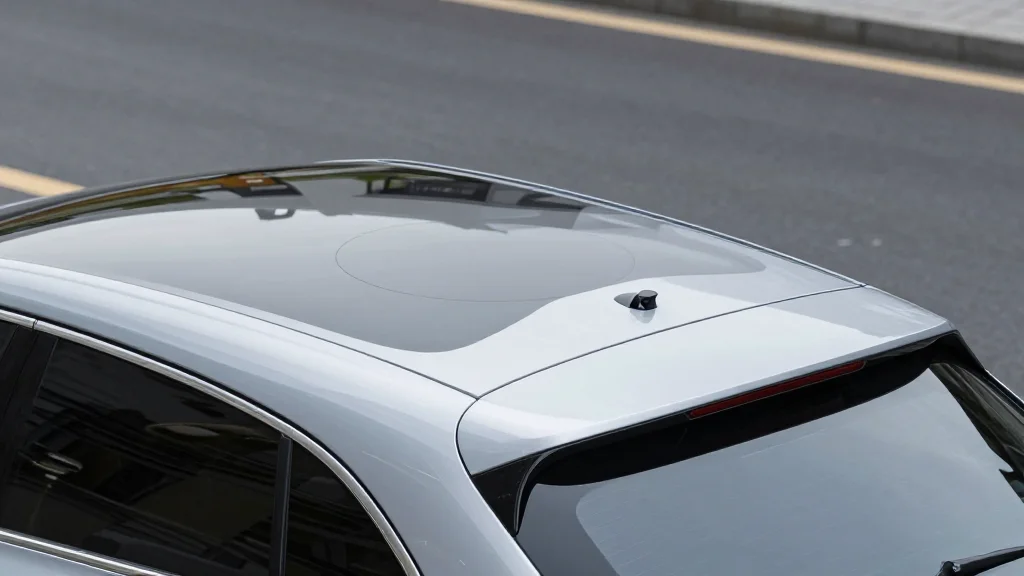
Rivian R2 Launch Skips LiDAR, Early Buyers Face Hardware Trade‑Offs

Companies Mentioned
Why It Matters
The R2’s sensor configuration will influence how quickly Rivian can scale its autonomous driving capabilities. Without LiDAR on early units, the company must rely on camera‑based perception and the incremental improvements of its neural network, which may affect the timeline for achieving higher levels of driver‑less operation. Consumer perception of hardware longevity also plays a role; buyers who feel their vehicle will become obsolete may hesitate, potentially slowing adoption rates. Beyond Rivian, the move underscores a tension across the EV industry between cost‑effective launches and the desire for a future‑proof autonomous stack. As more manufacturers experiment with phased sensor rollouts, the market will gain clearer data on whether software‑only solutions can match the safety and convenience promised by full‑sensor suites.
Key Takeaways
- •Rivian ships the first R2 crossover without a LiDAR sensor.
- •Early R2 Performance Launch Package includes a hands‑free point‑to‑point driving assistant.
- •Company says LiDAR will primarily enrich data for its Large Driving Model, not instantly change driver‑assist performance.
- •No retrofit plans for LiDAR on early‑generation R2s, affecting owners planning long‑term use.
- •LiDAR‑enabled models are expected to arrive in a future hardware architecture, timeline described as “several years.”
Pulse Analysis
Rivian’s decision to launch the R2 without LiDAR reflects a calculated bet on software scalability over hardware completeness. By deferring the expensive sensor, Rivian can price the R2 more competitively and capture market share in the crowded midsize crossover segment. However, this approach also introduces a risk: if the data‑driven Large Driving Model fails to close the performance gap, the brand could be perceived as lagging behind competitors that offer full‑sensor suites from day one.
Historically, automakers that have staggered hardware introductions—most notably Tesla—have faced backlash when early owners felt short‑changed by later upgrades. Rivian’s explicit statement that retrofits will not be offered may amplify that sentiment, especially among buyers who expect an eight‑year vehicle lifespan. The company’s reliance on fleet‑wide learning could mitigate the issue if software updates demonstrably improve non‑LiDAR performance, but the timeline remains vague.
Looking ahead, Rivian’s roadmap will be judged on two fronts: the speed at which LiDAR‑equipped R2s enter production and the measurable gains in eyes‑off driving that the Large Driving Model delivers. If the data advantage translates into a clear safety and convenience edge, Rivian could set a precedent for phased sensor strategies across the industry. Conversely, a failure to deliver noticeable improvements may push consumers toward rivals that commit to full sensor arrays upfront, reshaping the competitive dynamics of autonomous EVs.
Rivian R2 Launch Skips LiDAR, Early Buyers Face Hardware Trade‑Offs
Comments
Want to join the conversation?
Loading comments...