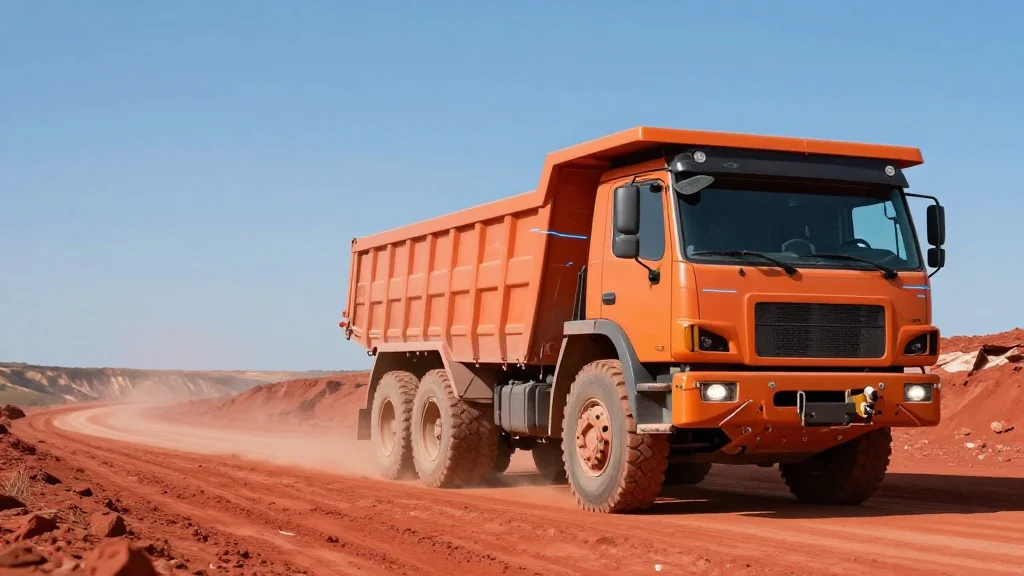
Robo-Road Trains at Heart of Hexagon's Plan for Mining World Domination
Why It Matters
Automating haulage cuts operating costs and improves safety, giving Hexagon a competitive edge in a market projected to exceed $10 billion by 2030. Successful trials could accelerate worldwide adoption of driverless mining fleets, reshaping the industry’s cost structure.
Key Takeaways
- •Hexagon partners with Mineral Resources to trial autonomous road trains.
- •Trial involves up to 10 driverless trucks on Australian mine sites.
- •Automation aims to cut haulage costs by 15‑20%.
- •Project supports Hexagon's goal to double mining‑software revenue by 2028.
- •Success could accelerate global adoption of driverless mining fleets.
Pulse Analysis
Hexagon’s move into autonomous road‑train technology reflects a broader shift toward digitalization in heavy‑industry mining. After acquiring several software firms, the Swedish group has built a portfolio that blends 3D reality capture, AI‑driven analytics, and remote monitoring. By teaming with Mineral Resources, Hexagon gains a real‑world testbed in the Pilbara, one of the world’s most productive iron‑ore basins, allowing it to refine vehicle‑control algorithms and integrate its safety platform with existing mine‑site systems.
The autonomous trucks leverage high‑definition lidar, GNSS positioning, and machine‑learning models to navigate haul routes without human drivers. Hexagon’s suite monitors vehicle health, predicts maintenance needs, and optimizes fuel consumption, promising haulage cost reductions of 15‑20 percent and a significant safety uplift by removing personnel from high‑risk environments. The pilot also showcases Hexagon’s ability to provide end‑to‑end solutions—from digital twins of mine layouts to real‑time fleet orchestration—positioning it as a one‑stop shop for mining operators seeking to modernize.
Industry analysts project the global mining‑automation market to surpass $10 billion by 2030, driven by labor shortages and pressure to lower carbon footprints. Hexagon’s partnership with Mineral Resources could serve as a flagship case study, helping the company capture a larger slice of this growth and challenge incumbents like Caterpillar and Komatsu. If the trial delivers the promised efficiency gains, other miners are likely to follow, accelerating the transition to driverless fleets and reshaping supply‑chain economics across the sector.
Robo-road trains at heart of Hexagon's plan for mining world domination
Comments
Want to join the conversation?
Loading comments...