Robots to the Rescue? South Korea Looks for AI Solutions to Dwindling Army Numbers
Why It Matters
The move could offset South Korea's demographic‑driven manpower gap while giving Hyundai a foothold in defense robotics, reshaping regional security dynamics. Successful deployment would signal a broader trend toward autonomous warfare in Asia.
Key Takeaways
- •South Korea's army down 20% to 450k, projected 350k by 2040.
- •Defense ministry exploring partnership with Hyundai for AI‑powered robots.
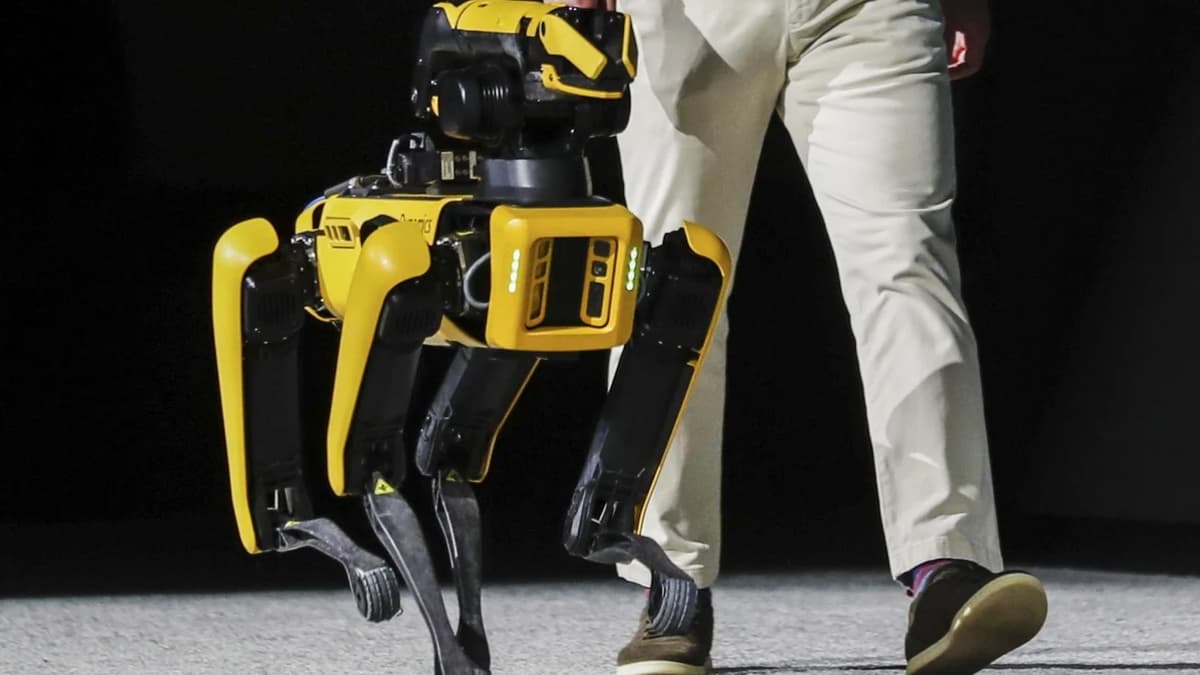
- •Potential platforms include Boston Dynamics Spot, MobED mobility droid, X‑ble exoskeleton.
- •Robots slated for surveillance, reconnaissance and logistics, avoiding direct combat.
- •Deal could accelerate Hyundai's robotics push and reshape Korean warfare.
Pulse Analysis
South Korea faces a demographic crunch that has already cut its active‑duty personnel by a fifth, prompting policymakers to look beyond traditional recruitment. While many nations rely on conscription or foreign hires, Seoul is betting on artificial intelligence and robotics to sustain its defense posture. This strategic pivot mirrors broader Asian trends, where countries like Japan and India are also investing heavily in unmanned systems to compensate for aging workforces and budget constraints.
The prospective Hyundai partnership could bring commercial-grade robots such as Boston Dynamics' Spot, the four‑wheeled MobED, and the X‑ble exoskeleton into military service. These platforms excel in non‑combat tasks—continuous perimeter monitoring, rapid terrain navigation, and load‑bearing for infantry—freeing soldiers for higher‑value decision‑making. By leveraging Hyundai's manufacturing scale and existing AI expertise, the defense ministry hopes to accelerate fielding timelines and reduce lifecycle costs compared with bespoke defense contractors.
If the collaboration succeeds, it may redefine procurement norms across the region. A high‑visibility deployment in the demilitarized zone would showcase the viability of autonomous assets against a backdrop of North Korean missile provocations, potentially spurring neighboring forces to adopt similar solutions. Moreover, a lucrative defense contract could catapult Hyundai into the global defense robotics market, challenging incumbents like Lockheed Martin and Rhein‑Metall. The ripple effect could accelerate the shift toward technology‑centric warfare, reshaping strategic calculations for allies and adversaries alike.
Robots to the rescue? South Korea looks for AI solutions to dwindling army numbers
Comments
Want to join the conversation?
Loading comments...