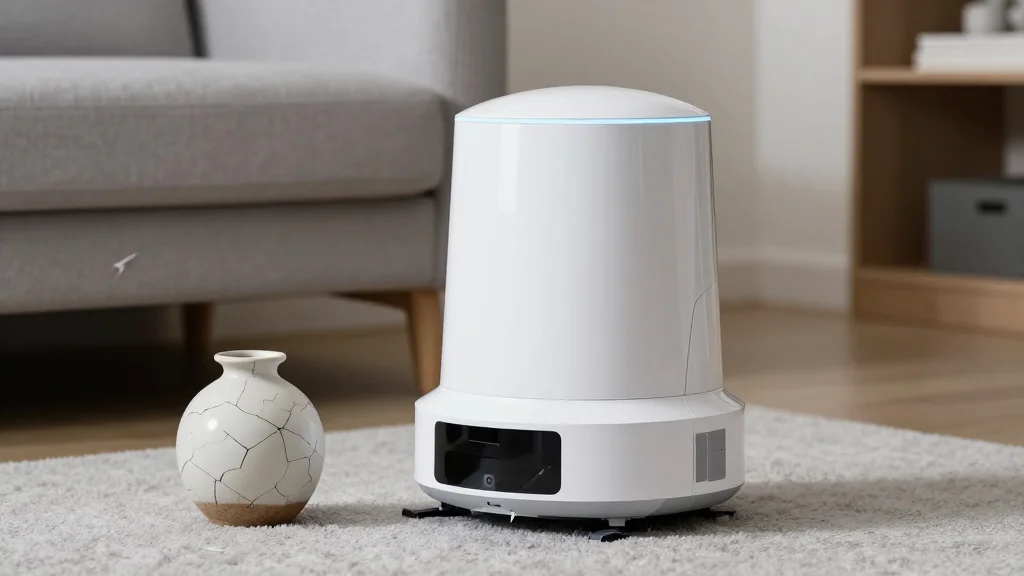
Robot‑testing Startup Botco Sued over Alleged Airbnb Damage

Companies Mentioned


Why It Matters
The Botco lawsuit spotlights the regulatory vacuum surrounding autonomous‑robot field trials in private residences. While manufacturers tout rapid iteration, the lack of clear consent and liability frameworks can expose both companies and property owners to costly disputes. A court ruling that favors the plaintiff could compel startups to adopt stricter testing protocols, potentially slowing product rollouts but improving consumer trust. Beyond the immediate legal ramifications, the case may influence investor sentiment. Venture capitalists have poured over $300 million into Botco, betting on a future where household robots become ubiquitous. If the market perceives real‑world testing as a legal minefield, funding could shift toward firms that prioritize simulated environments or partner with institutional testbeds, reshaping the competitive landscape of home robotics.
Key Takeaways
- •Botco sued by Airbnb host Michael Donovan for alleged property damage during robot trials
- •Complaint claims Botco booked rentals deceptively, violating short‑term rental rules
- •Botco has raised >$300 million from investors including Greenoaks and Y Combinator
- •Potential $12,000 in repair costs and loss of host ratings cited in the filing
- •Case could set legal precedent for autonomous‑robot testing in private homes
Pulse Analysis
Botco’s legal trouble arrives at a pivotal juncture for the domestic‑robot market. The sector has long relied on closed‑lab validation, but consumer‑grade robots demand performance data from lived‑in environments. This tension between speed‑to‑market and risk mitigation is now playing out in courtrooms. A ruling that penalizes covert testing will likely accelerate the development of standardized testing agreements, similar to those used in autonomous‑vehicle pilots, where municipalities grant explicit road‑use permissions in exchange for data sharing and liability coverage.
Investors will watch the outcome closely. The $300 million raised for Botco reflects a broader appetite for “home AI” solutions, yet capital allocation is increasingly contingent on regulatory clarity. Should the lawsuit force Botco to overhaul its testing model, the company may need additional funding to build dedicated test houses or partner with hospitality chains willing to host trials under controlled conditions. Competitors that have already invested in such infrastructure—like iRobot’s partnership with university labs—could gain a competitive edge.
Finally, the case underscores a cultural shift: consumers are no longer passive recipients of technology but active gatekeepers of their living spaces. As autonomous systems become more capable, manufacturers must earn trust through transparency and consent. Botco’s experience may become a textbook example of how not to conduct field trials, prompting industry bodies to draft best‑practice guidelines that balance innovation with homeowner rights.
Robot‑testing startup Botco sued over alleged Airbnb damage
Comments
Want to join the conversation?
Loading comments...