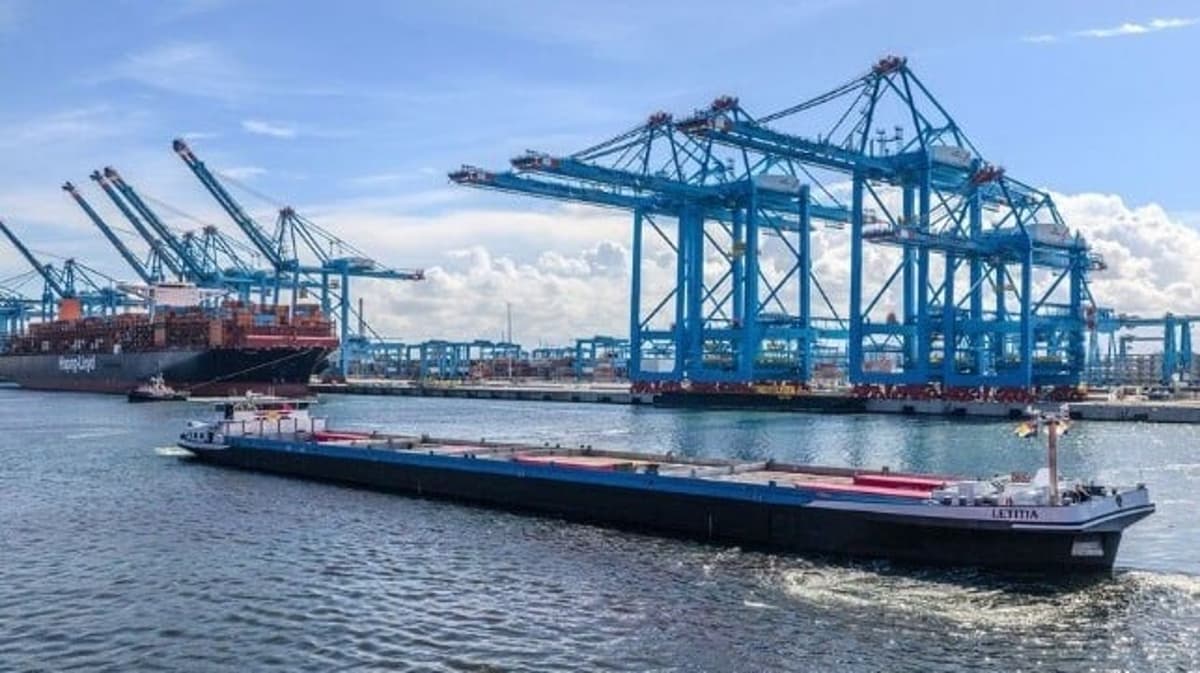
Rotterdam Demonstration Marks Milestone in Autonomous Inland Shipping
Why It Matters
Autonomous inland shipping promises higher efficiency and lower emissions, helping ports meet climate targets while easing road congestion. The success validates digital navigation tools that could reshape European freight logistics.
Key Takeaways
- •Letitia autonomous vessel carries up to 610 TEU.
- •Demonstration proved independent undocking and docking in busy Rotterdam port.
- •MAGPIE project funds EU‑backed climate‑neutral port innovations.
- •ArgoPositionPilot now supports fixed‑propeller inland vessels.
- •Skipper retains ultimate control, can intervene anytime.
Pulse Analysis
The Rotterdam demonstration marks a watershed moment for autonomous inland shipping, a niche yet pivotal segment of the broader maritime ecosystem. By allowing Letitia to navigate, undock, and dock without direct human input, the trial showcases how advanced sensor suites and AI‑driven decision‑making can operate safely amid dense traffic. This capability not only reduces crew workload but also opens the door to 24/7 vessel utilization, a critical factor for meeting the growing demand for inland freight between seaports and European hinterlands.
Embedded within the European MAGPIE initiative, the test aligns with the EU’s aggressive climate‑neutral port agenda. By shifting container, bulk, and liquid transport from road to waterway, autonomous vessels cut fuel consumption and greenhouse‑gas emissions per TEU. The project’s 45 partners, backed by EU funds, are leveraging digital twins, real‑time data exchange, and green energy integration to create scalable solutions. The successful deployment of Letitia’s autonomous system signals that the technology is ready for broader rollout, accelerating the transition to low‑carbon logistics hubs across the continent.
Looking ahead, commercialisation hinges on regulatory clarity and the rollout of supportive products like argoPositionPilot and argoRadarPilot. These tools provide collision‑avoidance alerts and intent broadcasting, while preserving the skipper’s ultimate authority—a balance that eases industry adoption. As ports worldwide grapple with capacity constraints and sustainability mandates, the Rotterdam case study offers a replicable blueprint. Stakeholders—from vessel owners to logistics providers—can now evaluate cost‑benefit models that factor in reduced labor, fuel savings, and enhanced reliability, positioning autonomous inland shipping as a cornerstone of future multimodal supply chains.
Rotterdam Demonstration Marks Milestone in Autonomous Inland Shipping
Comments
Want to join the conversation?
Loading comments...