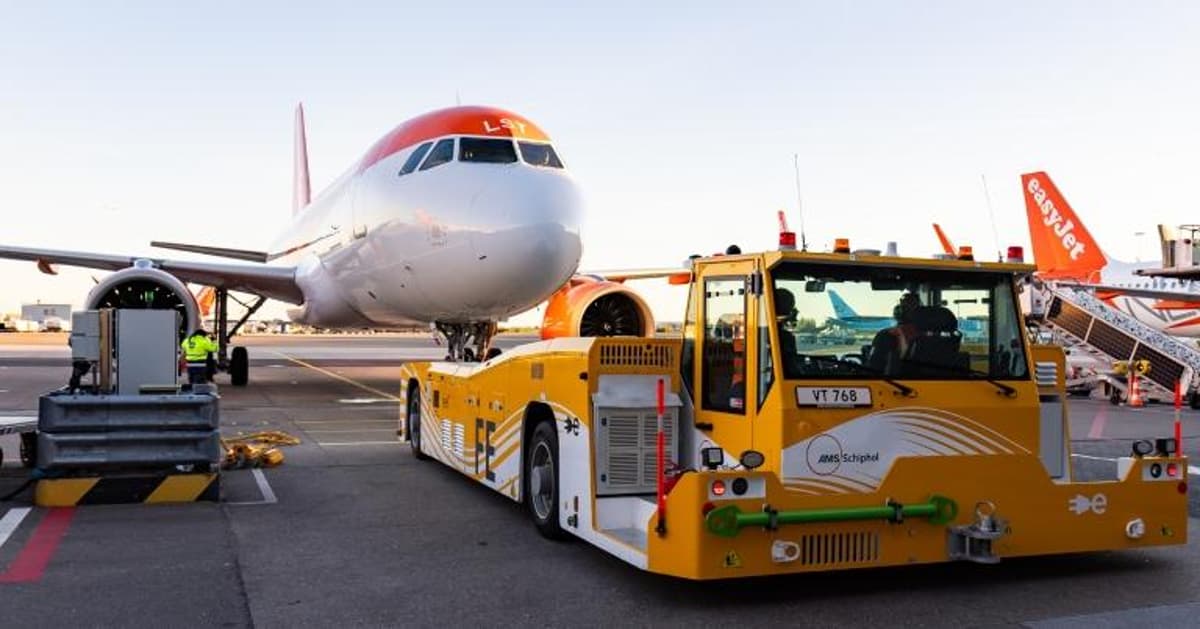
Schiphol Launches World’s First Electric TaxiBot to Support More Sustainable Aircraft Taxiing
Companies Mentioned
Why It Matters
Eliminating engine use during taxi delivers sizable cost savings for airlines and helps airports meet tightening sustainability targets while creating quieter, healthier ground environments.
Key Takeaways
- •Electric TaxiBot cuts taxi‑fuel use up to 65% on long routes
- •Emissions of CO₂, NOx, and particulates drop markedly during taxi
- •Apron noise reduced, improving ground‑crew health and passenger experience
- •Schiphol will receive three additional bots, expanding to more aircraft
- •EasyJet, Airbus, and Menzies pilot the system under Smart Ramp program
Pulse Analysis
The shift to electric taxi‑assist systems marks a pivotal step in aviation’s decarbonisation agenda. Traditional taxiing relies on aircraft engines, burning fuel and emitting pollutants even before take‑off. By introducing a battery‑powered TaxiBot, Schiphol reduces the energy intensity of ground operations, delivering up to a 65% fuel saving on longer push‑back routes. This not only trims operating costs for carriers but also aligns with EU emissions regulations and airline‑wide net‑zero pledges, positioning the airport as a sustainability leader.
From an operational perspective, the electric TaxiBot integrates seamlessly with existing flight decks: pilots engage the tug via cockpit controls and only ignite engines moments before runway entry. Ground crews benefit from quieter, cleaner apron conditions, which can lower occupational health risks and improve passenger perception of airport comfort. The technology also shortens turnaround times by standardising taxi speeds and reducing variability caused by engine performance. For airlines like easyJet, the immediate fuel reduction translates into measurable cost efficiencies, while the broader ecosystem gains from reduced noise footprints in densely populated airport neighborhoods.
Looking ahead, Schiphol’s rollout of three additional electric bots and plans to certify the system for Embraer and Boeing 737 fleets signal a scalable model for other hubs. The initiative dovetails with the FTE Smart Ramp program, which accelerates collaborative automation across airports worldwide. As more carriers adopt electric taxi‑assist, industry standards are likely to evolve, prompting regulators to endorse broader certification and encouraging manufacturers to develop next‑generation, higher‑capacity electric tugs. Ultimately, widespread adoption could reshape airport ground logistics, delivering a greener, quieter, and more cost‑effective aviation ecosystem.
Schiphol launches world’s first electric TaxiBot to support more sustainable aircraft taxiing
Comments
Want to join the conversation?
Loading comments...