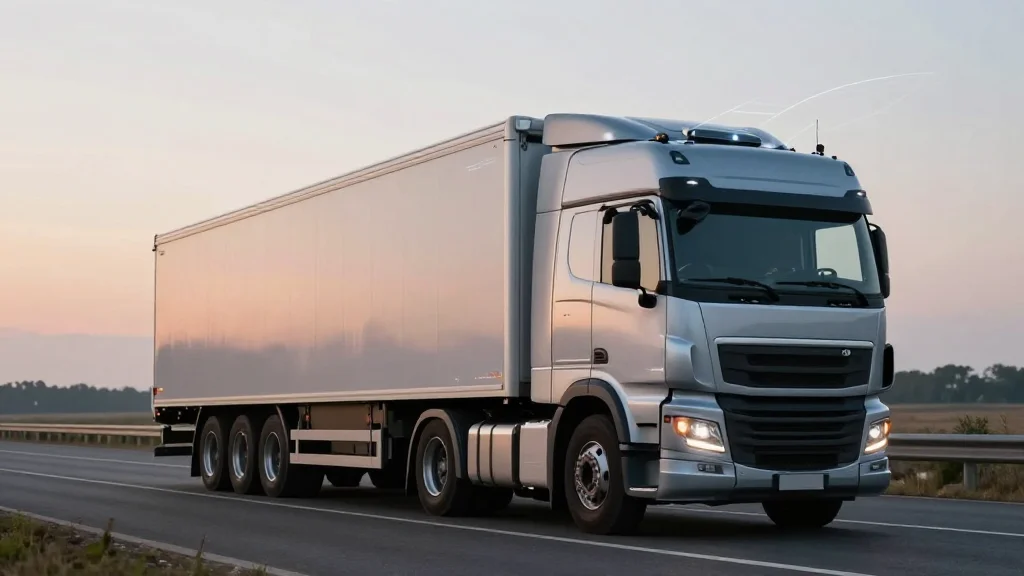
Self‑Driving Trucks Prioritize Road Control Over Safety, Critics Say

Why It Matters
If autonomous trucks become the default mode of freight transport, the balance of power on America’s highways could shift dramatically. A technology that prioritizes control over safety may lead to regulatory loopholes, reduced oversight, and a marginalization of driver labor. Moreover, the promised cost savings appear modest when trucking costs constitute only a small fraction of consumer prices, suggesting that the economic rationale may be overstated. The controversy also underscores a broader tension between innovation and public interest. While autonomous systems can theoretically reduce accidents caused by human error, the current generation of collision‑avoidance technology is still prone to false triggers from shadows, weather, and animals. Policymakers will need to weigh the benefits of increased efficiency against the risks of a less transparent, corporate‑driven road ecosystem.
Key Takeaways
- •Critics claim autonomous trucks aim to dominate freight rather than improve safety
- •Aurora’s advertorial asserts cost and safety benefits despite trucking costs being only 1‑3% of product prices
- •Bob Costello says the driver shortage is a quality issue, not a numeric deficit
- •Large carriers are already buying hundreds of driverless rigs amid a four‑year freight recession
- •Waymo’s robo‑taxis operate in cities while autonomous rigs test on Texas highways
Pulse Analysis
The autonomous‑truck narrative is at a crossroads. Early hype promised a safety revolution, yet the technology’s reliance on sensors that misinterpret environmental cues has kept accident rates from dropping dramatically. Companies like Aurora have shifted their messaging toward cost efficiency, a pivot that aligns with broader logistics trends but also masks the underlying safety challenges.
Historically, freight automation has been driven by labor cost pressures and regulatory environments. The current push coincides with a period of stagnant freight rates and a politically charged labor market. By framing driverless trucks as a solution to a "shortage," firms tap into a legacy narrative that has previously justified deregulation and wage suppression. The recent statements from Bob Costello suggest that the industry’s own data no longer supports a shortage claim, potentially eroding a key pillar of the autonomous‑truck business case.
Looking ahead, the sector’s trajectory will hinge on three factors: regulatory clarity, demonstrable safety improvements, and the ability to deliver genuine cost reductions beyond the marginal 1‑3% impact on consumer goods. If policymakers demand rigorous safety validation and transparent reporting, autonomous trucks could earn public trust and carve out a sustainable niche. Conversely, if the push remains primarily about market control, resistance from labor groups and heightened scrutiny could stall deployment, leaving the technology in a prolonged testing phase.
Self‑Driving Trucks Prioritize Road Control Over Safety, Critics Say
Comments
Want to join the conversation?
Loading comments...