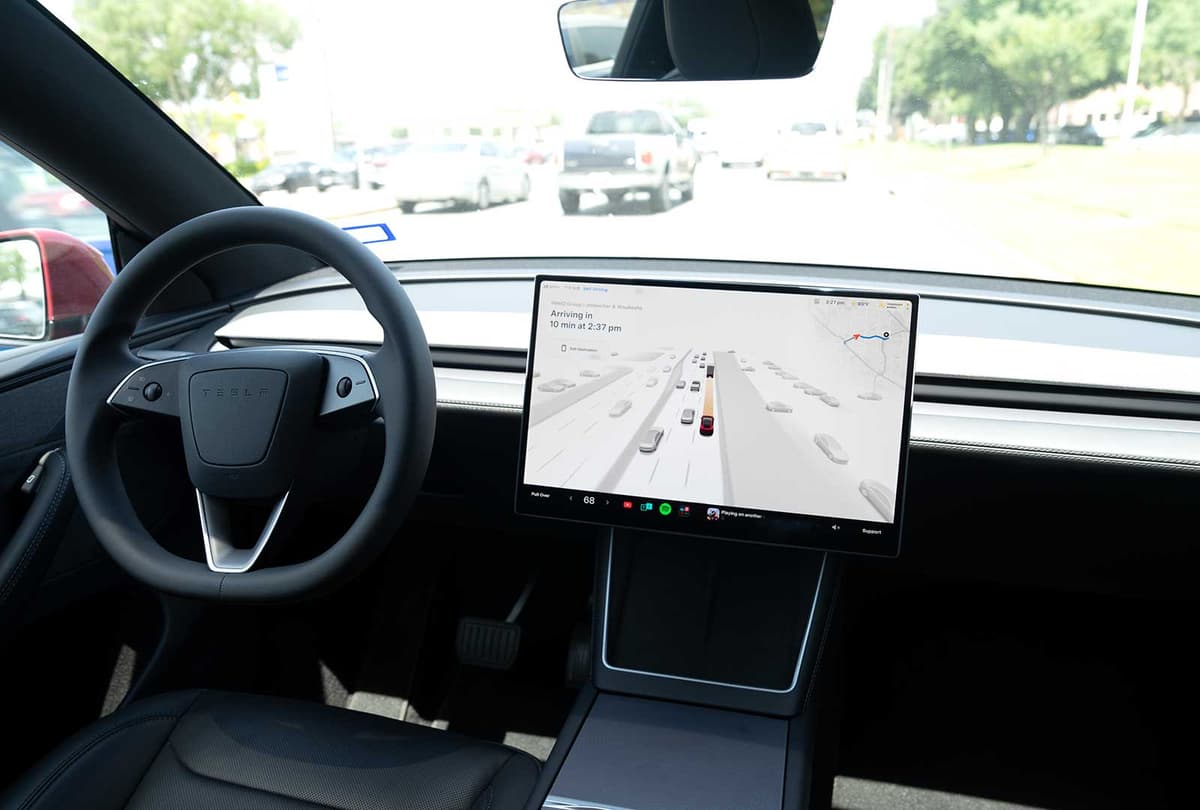
Supervised Is Not Autonomous, Autonomous Is Not Supervised
Key Takeaways
- •UK election fuels anti‑China sentiment, risking Chinese robotaxi imports.
- •Uber and Lyft’s Baidu RT6 units arrived in London for mapping.
- •Tesla now runs unsupervised robotaxis in Austin, Dallas and Houston.
- •Only Waymo and Kodiak operate 24/7 truly driverless fleets worldwide.
- •Private investors poured $23.6 bn into autonomy firms in 2026, led by Waymo.
Pulse Analysis
The United Kingdom’s recent electoral shake‑up has turned the spotlight on national‑security arguments that could curtail the entry of Chinese‑built autonomous vehicles. Reform UK’s surge gives policymakers leverage to echo the Huawei 5G ban, potentially blocking Baidu’s RT6 robotaxis that Uber and Lyft are positioning for a London launch. Investors and operators must now factor geopolitical risk into deployment timelines, as regulatory uncertainty could translate into delayed revenue and sunk‑cost write‑downs.
Beyond the UK, the industry is wrestling with a semantic divide between "supervised" and "unsupervised" autonomy. Tesla’s expansion of driverless robotaxis across three Texas markets demonstrates that true autonomy—defined by the absence of a safety driver—can be commercialized at scale, even if operating hours remain limited. This contrasts with many competitors that still rely on human observers, a distinction that influences insurance, liability and public perception. Companies that achieve uninterrupted, driver‑free service, such as Waymo and Kodiak, gain a clear competitive moat.
Capital flows reflect this evolving landscape. In 2026, investors committed $23.6 billion to autonomy ventures, with Waymo alone attracting roughly two‑thirds of the total, underscoring confidence in fully driverless technology. Meanwhile, emerging players like Nuro, Serve Robotics and Aurora are diversifying applications from passenger transport to logistics and military use. As regulatory frameworks solidify and consumer trust in unsupervised systems grows, the sector is poised for accelerated consolidation and a shift toward truly autonomous fleets worldwide.
Supervised is not Autonomous, Autonomous is not Supervised
Comments
Want to join the conversation?