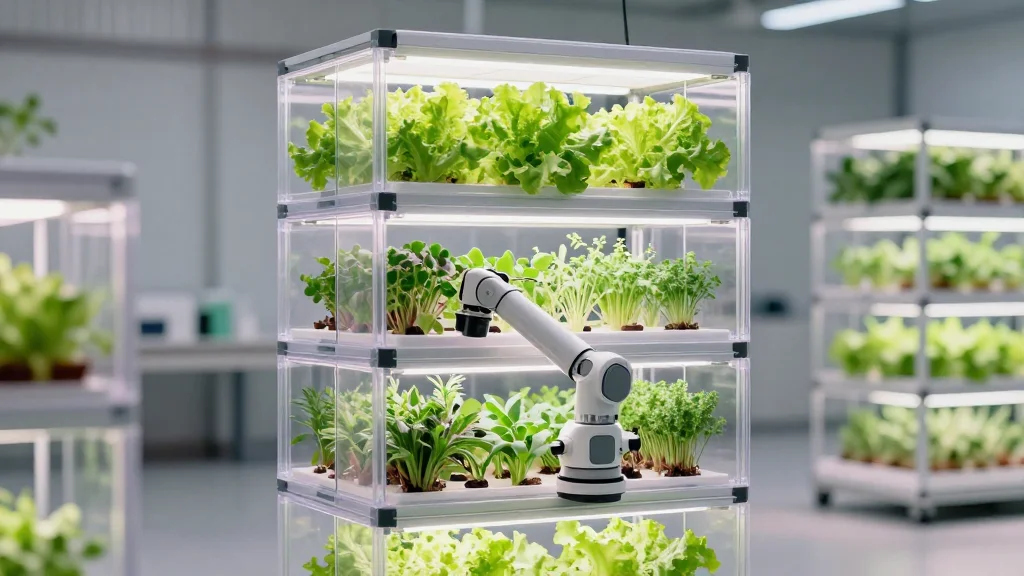
System Report: Warehouse Automation as Plant Production Platform
Companies Mentioned
Why It Matters
The approach slashes logistics distance, reduces water and land use, and offers retailers a reliable, ultra‑fresh produce source, reshaping urban food supply chains.
Key Takeaways
- •OnePointOne partnered with AutoStore to power its modular vertical farms
- •Pilot Opollo Farm supplies 10 Whole Foods stores and a regional distributor
- •System uses 1,000 totes, 2 robots, delivering ~1,000 lbs of greens weekly
- •Vertical farms cut water use up to 99% and land needs
- •AutoStore’s cold‑storage enables on‑site buffering for fresh produce
Pulse Analysis
OnePointOne’s decision to adopt AutoStore’s proven AS/RS technology marks a strategic shift in indoor farming. By abandoning costly, custom‑built robots in favor of a globally deployed platform, the company can accelerate farm rollouts and focus engineering resources on plant‑specific subsystems such as LED lighting, hydroponic irrigation, and climate control. The modular design—essentially a cube of interchangeable totes—allows OPO to add robots, ports, or storage capacity on demand, turning a 1,000‑square‑foot pilot into a replicable blueprint for future sites.
Beyond the engineering advantage, the model delivers tangible sustainability gains. Vertical farms like Opollo use up to 99% less water and occupy a fraction of the land required for conventional agriculture, while eliminating pesticide use and exposure to extreme weather. Locating farms adjacent to major retail hubs cuts transportation miles dramatically, reducing logistics costs and preserving the nutritional quality of leafy greens and microgreens. The integration of AutoStore’s new cold‑storage module further shortens the time from harvest to shelf, enabling on‑site buffering that keeps produce at peak freshness.
The broader market implications are significant. With $77 million in funding, OnePointOne is positioned to partner with retailers seeking resilient, locally sourced produce, a trend accelerated by consumer demand for freshness and sustainability. As more distributors adopt similar modular systems, the economics of vertical farming could improve, narrowing the cost gap with traditional field production for high‑value crops. Competitors will likely follow the plug‑and‑play automation model, making scalability and rapid deployment the new benchmark for the indoor agriculture sector.
System Report: Warehouse automation as plant production platform
Comments
Want to join the conversation?
Loading comments...