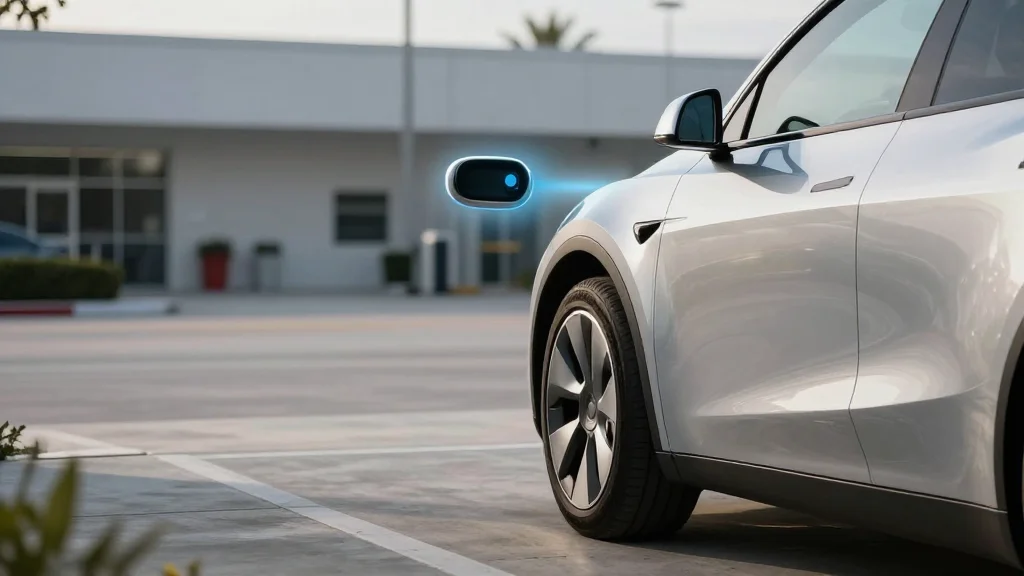
Tesla Deploys 18 Model Y Robotaxis in Florida with New Sensor‑Cleaning Hardware

Companies Mentioned
Why It Matters
Tesla’s Florida staging demonstrates that the company is transitioning from a Texas‑centric robotaxi model to a multi‑city network, a shift that could accelerate the commercialization of autonomous ride‑hailing in the United States. By deploying existing Model Y hardware with sensor‑cleaning upgrades, Tesla can test large‑scale driverless operations while its next‑generation Cybercab ramps up production, reducing time‑to‑market for its autonomous services. The rollout also raises regulatory and safety questions. Florida’s vehicle‑testing statutes differ from Texas, and the presence of commercial‑fleet plates suggests Tesla is navigating a distinct licensing pathway. Successful deployment could set a precedent for other automakers seeking to expand autonomous fleets across state lines, influencing policy and competitive dynamics in the broader autonomy ecosystem.
Key Takeaways
- •Tesla spotted 18 Model Y robotaxis with rear‑camera washers at a Clermont, FL service center.
- •Rear‑camera washers are exclusive to Tesla’s commercial fleet, indicating driverless intent.
- •Vehicles run FSD version 14.3 on Hardware 4.5, matching the unsupervised Texas deployments.
- •Orlando was named a target market in Q4 2025 earnings; preparations now appear tangible.
- •Elon Musk predicts fully driverless Teslas will be widespread in the U.S. by year‑end 2026.
Pulse Analysis
Tesla’s incremental hardware rollout in Florida underscores a pragmatic scaling strategy. Rather than waiting for the Cybercab to dominate the fleet, the company is leveraging the mass‑produced Model Y as a stop‑gap, allowing it to gather real‑world data across diverse traffic environments. This approach mirrors the early‑stage deployment tactics of Waymo, which used a mix of purpose‑built and retrofitted vehicles to expand its test footprint. By standardizing the rear‑camera washer across its commercial fleet, Tesla addresses a known failure mode—sensor occlusion—without redesigning the vehicle, illustrating a cost‑effective path to reliability.
From a competitive standpoint, the Florida move could erode the lead that Waymo and Cruise have built in the Southeast through municipal contracts. Tesla’s brand cachet and OTA update capability give it a unique advantage: it can push software improvements fleet‑wide in days, whereas legacy players often rely on slower, hardware‑centric upgrades. If the Orlando launch proceeds on schedule, it will provide a live benchmark for the performance of FSD 14.3 in a new market, potentially influencing investor sentiment ahead of the upcoming earnings season.
Looking ahead, the success of the Model Y bridge strategy will hinge on regulatory clearance and public perception. Florida’s relatively permissive autonomous‑vehicle framework may accelerate deployment, but any high‑profile incident could trigger tighter scrutiny. Tesla’s ability to demonstrate safe, unsupervised operation at scale will be a litmus test for the broader industry’s confidence in deploying driverless services nationwide.
Tesla Deploys 18 Model Y Robotaxis in Florida with New Sensor‑Cleaning Hardware
Comments
Want to join the conversation?
Loading comments...