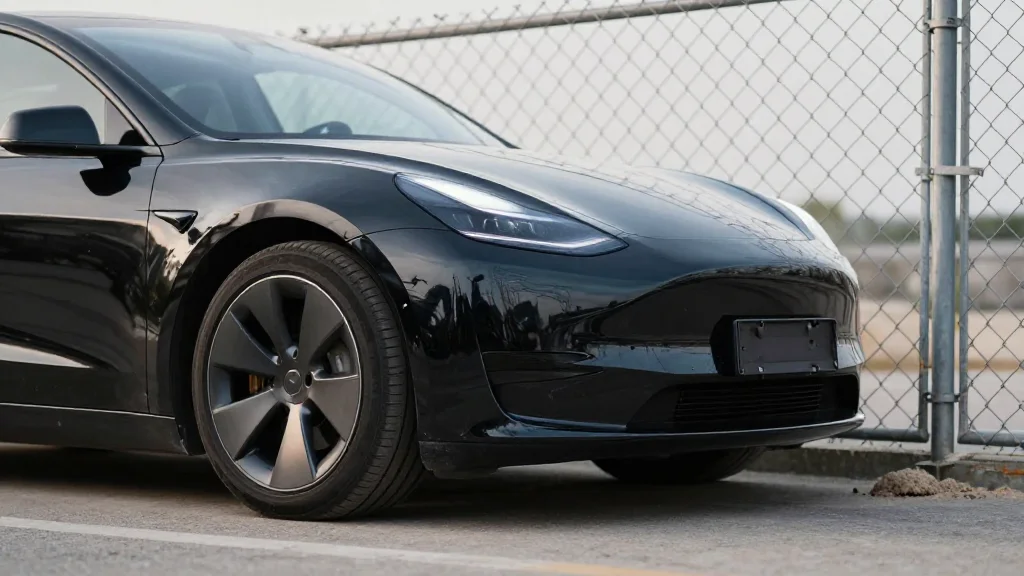
Tesla Discloses Two Robotaxi Crashes Involving Remote Operators in Austin

Why It Matters
The revelations about teleoperator‑driven crashes strike at the core of the autonomous‑vehicle promise: safety without human intervention. By showing that human operators sometimes need to take control—and that those interventions can still result in collisions—Tesla faces pressure to prove that its remote‑assistance model does not compromise passenger safety. The disclosures also give regulators a clearer picture of how emerging robotaxi services are being monitored, potentially shaping future safety standards and certification processes for the entire industry. For investors and competitors, the data underscores the operational challenges of scaling a robotaxi fleet. Tesla’s cautious expansion may reflect a strategic choice to avoid high‑profile accidents that could erode public trust, while rivals like Waymo continue to amass larger fleets despite a higher absolute number of incidents. The outcome of regulatory reviews will likely influence how quickly autonomous ride‑hailing can move from pilot programs to widespread commercial deployment.
Key Takeaways
- •Tesla disclosed two robotaxi crashes in Austin where remote operators drove the vehicles into a fence and a construction barricade.
- •Both incidents occurred at speeds under 10 mph and involved no passengers.
- •The crashes are part of 17 incidents now fully described in NHTSA filings after Tesla stopped redacting details.
- •Tesla’s remote‑control capability is intended to move compromised vehicles without waiting for first responders.
- •Regulators and lawmakers are expected to scrutinize the use of teleoperators as part of safety compliance.
Pulse Analysis
Tesla’s latest disclosures reveal a paradox at the heart of its robotaxi ambitions: the company relies on remote human operators to resolve situations its own software cannot handle, yet those very interventions have produced collisions. This suggests that the current ADS is not yet robust enough to navigate even low‑speed, low‑complexity environments without human backup. The fact that the crashes occurred at sub‑10 mph speeds indicates that the risk profile is still relatively low, but any incident involving a human‑in‑the‑loop erodes the narrative of a fully autonomous system.
From a market perspective, the timing is critical. Tesla’s robotaxi rollout is a cornerstone of its long‑term valuation, with analysts projecting billions in revenue once the service scales. However, the regulatory environment is tightening, and the NHTSA’s newfound transparency could accelerate the issuance of stricter safety guidelines. Competitors such as Waymo, which already operate larger fleets under more rigorous oversight, may gain a credibility advantage if they can demonstrate fewer human‑intervention incidents.
Looking ahead, Tesla faces a strategic crossroads. It can double down on improving its ADS to reduce reliance on teleoperators, thereby restoring confidence among regulators and the public, or it can lean into the hybrid model, positioning remote assistance as a safety net while continuing to expand its fleet. The latter approach may invite more regulatory constraints, especially if future investigations find that remote interventions increase overall crash risk. Ultimately, the company’s ability to transparently address these incidents and refine its technology will determine whether its robotaxi vision remains a disruptive force or becomes a cautionary tale in autonomous mobility.
Tesla Discloses Two Robotaxi Crashes Involving Remote Operators in Austin
Comments
Want to join the conversation?
Loading comments...