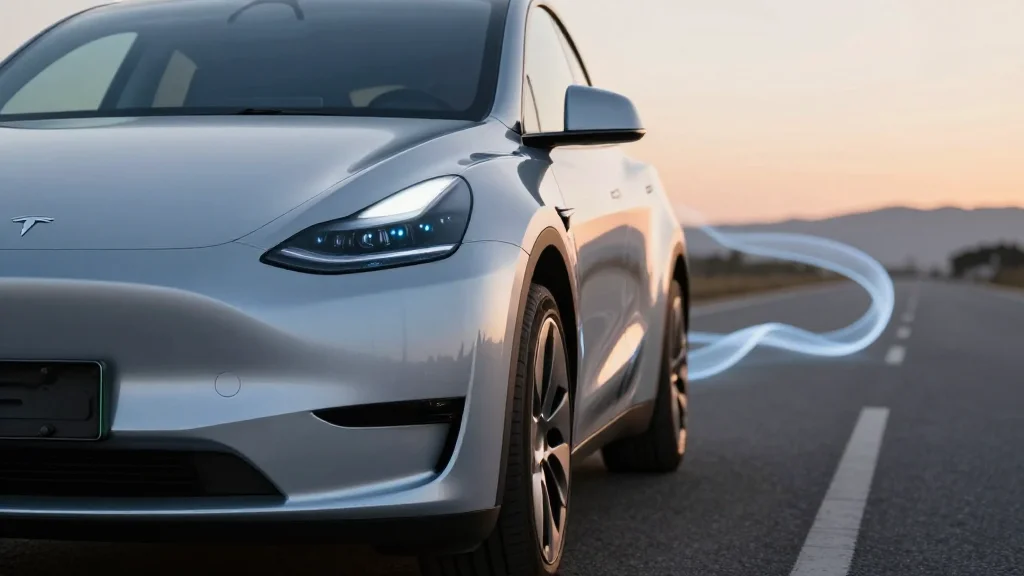
Tesla Hits 10 Billion Miles, Meeting Musk’s ‘Safe Unsupervised’ Driving Threshold

Companies Mentioned

Why It Matters
The 10 billion‑mile milestone validates Tesla’s data‑centric development model and puts pressure on the broader autonomous‑vehicle ecosystem to demonstrate comparable safety records. If Tesla can translate the mileage achievement into a legally sanctioned unsupervised system, it could accelerate consumer adoption and reshape liability norms across the industry. Conversely, the milestone also spotlights the regulatory lag. Without clear frameworks assigning responsibility for crashes, manufacturers risk costly litigation and public backlash. Tesla’s approach—shifting liability to owners—may prompt lawmakers to tighten standards, influencing how all Level 2 and Level 3 systems evolve toward full autonomy.
Key Takeaways
- •Tesla’s fleet surpassed 10 billion miles, meeting Musk’s safe‑unsupervised threshold
- •Musk’s X post: “roughly 10 billion miles of training data is needed to achieve safe unsupervised self‑driving.”
- •Tesla’s FSD (Supervised) remains a Level 2 system requiring driver attention
- •Florida jury awarded $243 million against Tesla for a 2019 Autopilot crash
- •Shares rose 1.2% after the milestone, but analysts warn liability and regulatory hurdles remain
Pulse Analysis
Tesla’s mileage achievement underscores a strategic bet on scale: the more miles the neural network processes, the more edge cases it can learn from, potentially narrowing the safety gap with purpose‑built autonomous firms. Historically, Waymo’s 20 billion‑mile simulation runs have been touted as a gold standard, but Tesla’s real‑world data advantage lies in its massive, consumer‑driven fleet. This creates a competitive dynamic where data volume can offset the lack of dedicated sensor suites.
However, the legal architecture surrounding Tesla’s FSD remains its Achilles’ heel. The company’s decision to retain driver liability while marketing the system as “autonomous” invites scrutiny from regulators who are already drafting stricter definitions for SAE Level 3 and above. If courts continue to hold Tesla accountable for supervised‑system failures, the cost of litigation could erode the financial upside of a rapid unsupervised rollout.
Looking forward, the next inflection point will be the regulatory response. A clear, industry‑wide liability framework could unlock the commercial value of Tesla’s data, allowing it to transition to unsupervised FSD without exposing owners to disproportionate risk. Until then, the mileage milestone is a powerful narrative tool but not a guarantee of market dominance.
Tesla Hits 10 Billion Miles, Meeting Musk’s ‘Safe Unsupervised’ Driving Threshold
Comments
Want to join the conversation?
Loading comments...