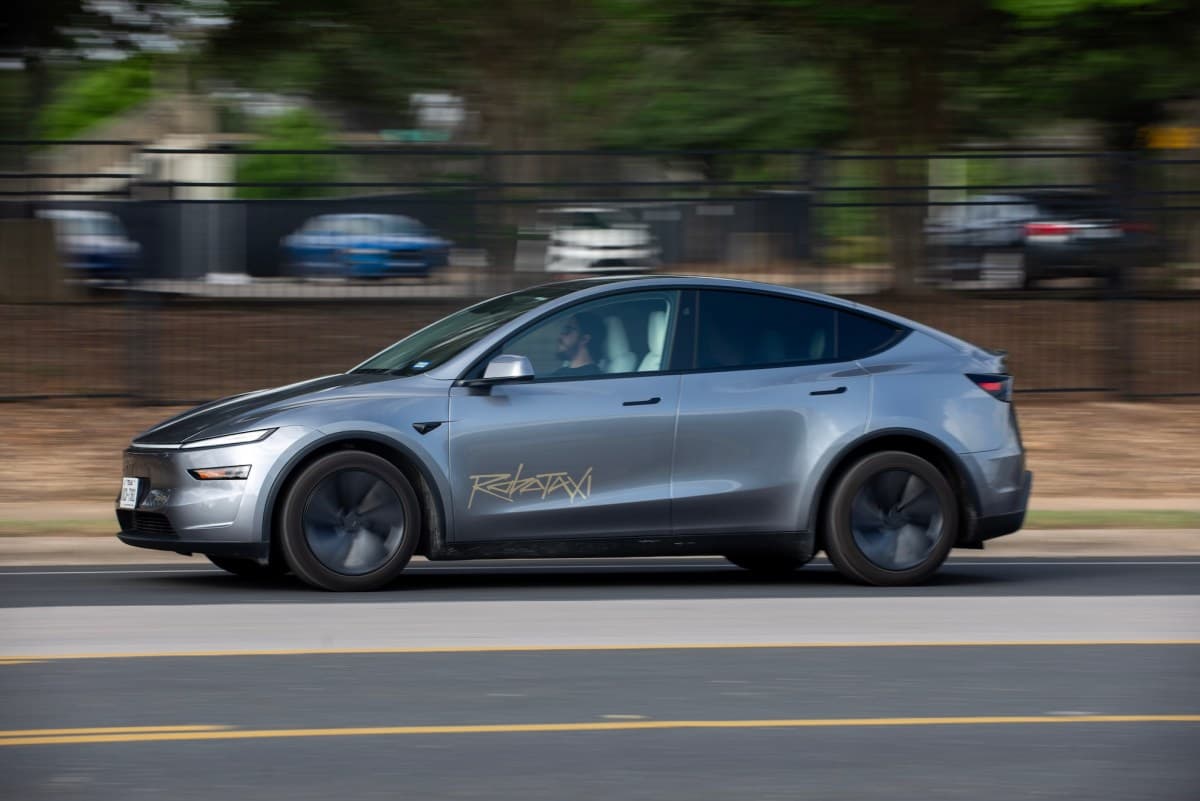
Tesla Reveals Two Robotaxi Crashes Involving Teleoperators
Why It Matters
The crashes reveal limits of Tesla’s remote‑operator safety net, potentially slowing the scaling of its robotaxi service and affecting its competitive edge in autonomous mobility.
Key Takeaways
- •Two Austin robotaxi crashes involved teleoperator takeover at under 10 mph
- •Both low‑speed impacts hit stationary objects: metal fence, construction barricade
- •NHTSA data now lists 17 robotaxi incidents, most vehicle‑being‑hit
- •Tesla’s remote assistance aims to avoid waiting for field responders
- •Safety concerns are cited as primary barrier to rapid network expansion
Pulse Analysis
Tesla’s fledgling robotaxi service, launched in Austin in mid‑2025, relies on a hybrid safety model that pairs an on‑board safety monitor with a remote teleoperator who can assume control when the vehicle’s automated driving system stalls. The company must file a detailed crash report with the National Highway Traffic Safety Administration for every incident, but until this week it redacted the narrative sections, citing confidential business information. A fresh NHTSA filing now reveals descriptions of 17 crashes recorded since the program’s inception, including two recent low‑speed accidents that occurred while a teleoperator was at the wheel.
In July 2025 the teleoperator nudged a stopped vehicle leftward, sending it up a curb into a metal fence; in January 2026 a similar hand‑off caused a nine‑mph scrape against a temporary construction barricade. Both incidents stayed well below Tesla’s ten‑mph ceiling for remote operation, showing that modest accelerations can still cause damage when perception algorithms misjudge curb geometry or obstacle clearance. Compared with Waymo and Zoox, which log more crashes but run fleets an order of magnitude larger, Tesla’s collisions are mainly low‑speed “being‑hit” events rather than fault‑based accidents, a pattern common in early autonomous testing.
The newly disclosed crashes give regulators and investors a clearer view of the safety net’s current limits, reinforcing Elon Musk’s warning that safety, not technology, is the bottleneck to scaling. Each incident adds to vehicle downtime, insurance costs, and potential litigation, factors that could temper Tesla’s aggressive rollout timeline and cede market share to competitors with higher miles‑per‑vehicle reliability. Nonetheless, the transparency may build credibility with the NHTSA, positioning Tesla to secure broader approvals once its remote‑operator protocols are refined and its perception stack can reliably handle curb‑side scenarios.
Tesla reveals two Robotaxi crashes involving teleoperators
Comments
Want to join the conversation?
Loading comments...