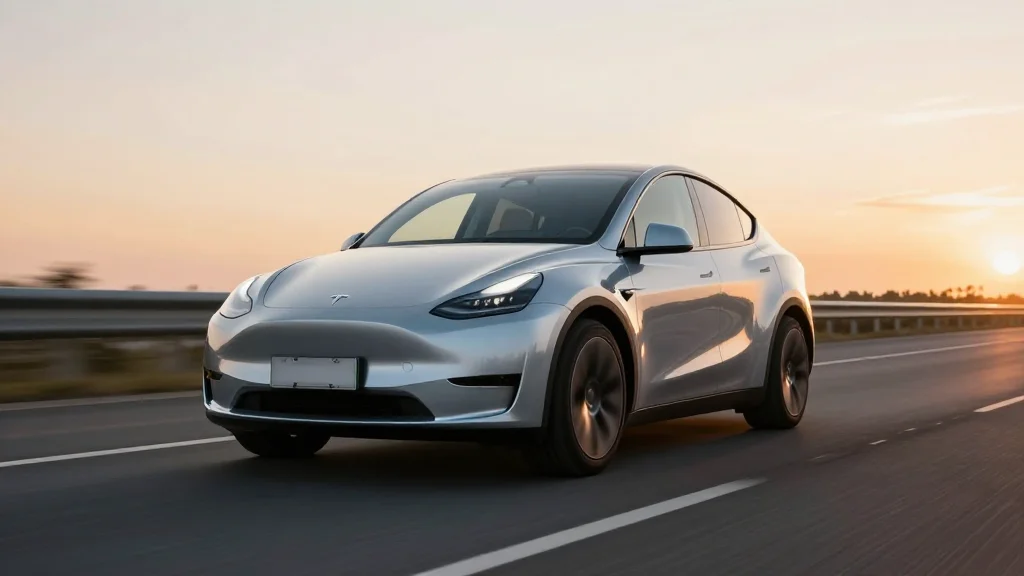
Tesla Robotaxi Misses Exit on Dallas Highway, Raising Safety Concerns

Why It Matters
The Dallas mishap spotlights the practical challenges of moving from limited pilot programs to city‑wide autonomous services. Each safety incident not only erodes consumer confidence but also invites tighter scrutiny from state transportation agencies, which could slow the permitting process for new markets. For investors, the episode serves as a reminder that Tesla’s lofty robotaxi revenue projections hinge on solving core navigation and safety problems. A pattern of incidents could pressure the company’s valuation, which currently rests on the promise of a trillion‑dollar autonomous‑mobility market.
Key Takeaways
- •Tesla robotaxi missed a Dallas highway exit, slowed, and pulled over at 80‑90 mph
- •Passenger Chris Ramos reported a 54‑minute, 11‑mile ride costing $18, ending 2.6 miles short of destination
- •Tesla now operates in three Texas cities; only one robotaxi logged in Dallas and Houston each
- •Austin fleet has logged 14 road incidents since launch, per Tesla’s February filing
- •Analysts estimate a $1 trillion U.S. robotaxi market; Tesla’s expansion could capture $250‑$500 billion at 25 % penetration
Pulse Analysis
Tesla’s robotaxi rollout is a classic high‑stakes bet on technology outpacing regulation. The Dallas incident underscores a recurring theme: the software that powers Tesla’s Full Self‑Driving (FSD) stack still struggles with edge‑case navigation, especially in complex highway interchanges. While Musk’s public optimism fuels a narrative of inevitable dominance, the data points—14 incidents in Austin, a single vehicle per new city, and a passenger‑reported navigation failure—suggest the system is not yet robust enough for mass deployment.
Historically, autonomous‑vehicle pioneers have taken a measured approach, accumulating millions of miles in controlled environments before scaling. Waymo, for example, logged over 20 million autonomous miles before launching a commercial service, and it continues to operate with a safety driver in most jurisdictions. Tesla’s aggressive timeline—removing safety monitors in Austin by January 2026 and immediately expanding to Dallas and Houston—creates a risk‑reward trade‑off. If the company can quickly iron out mapping errors and improve remote‑intervention latency, it could leverage its massive vehicle fleet to achieve economies of scale that rivals cannot match.
Looking ahead, the next inflection point will be regulatory response. State DOTs may demand proof of safety through transparent incident reporting and independent audits. Tesla’s willingness to disclose the 14 Austin incidents is a step toward that transparency, but the lack of detail leaves stakeholders guessing about severity and root causes. Until the company can demonstrate consistent, incident‑free operation across multiple cities, its robotaxi revenue forecasts will remain speculative, and its valuation—currently anchored on a trillion‑dollar market vision—may face correction.
Tesla Robotaxi Misses Exit on Dallas Highway, Raising Safety Concerns
Comments
Want to join the conversation?
Loading comments...