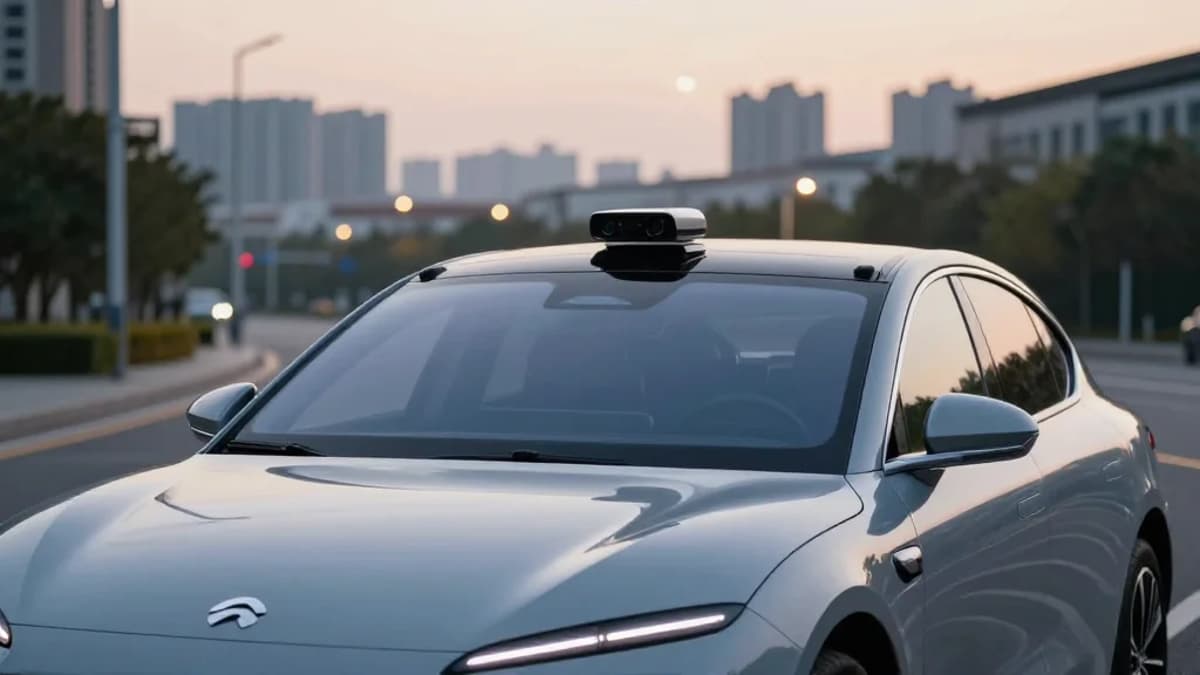
Tesla ‘Robotaxi’ Status Check: 8 Months in, 19% Availability, and All of Musk’s Promises Are Missing
•February 16, 2026
0
Why It Matters
The shortfall undermines Tesla’s autonomous‑driving narrative, affecting its valuation and competitive stance against Waymo and other AV firms.
Key Takeaways
- •42 robotaxis operating in Austin, far below 500 target
- •Availability drops to 19%, service largely offline
- •Crash rate nine times higher than human drivers
- •Unsupervised rides appeared briefly, then disappeared
- •Rain shuts down fleet, limiting operational days
Pulse Analysis
Tesla entered the robotaxi arena with the same hardware stack that powers its consumer Autopilot – a vision‑only system built around eight cameras and a neural‑network processor. The strategy promised rapid scaling because the equipment already resides in every Model Y sold, allowing the company to convert existing inventory into a ride‑hailing fleet without costly lidar or radar retrofits. Musk’s public timetable, however, was aggressive: 500 Austin vehicles, half‑US coverage, and fully driver‑less operation by the end of 2025. The reality, eight months after launch, shows a pilot that resembles a limited proof‑of‑concept rather than a commercial service.
The data released by independent trackers paints a stark picture. With only 42 cars on the road and a 19 % availability rate, most Austin residents cannot summon a Tesla robotaxi, and the fleet goes offline whenever rain exceeds a light drizzle. Even under supervised conditions the crash rate is nine times that of human drivers, raising red flags for regulators and insurers. Waymo, by contrast, runs over 100 fully driverless units in the same market, leveraging lidar and radar for redundancy and maintaining 24/7 operation. Tesla’s safety record and weather limitations erode its claim of technological superiority.
For investors, the gap between Musk’s promises and operational reality threatens the valuation premium that Tesla enjoys on the back of its autonomous‑driving narrative. The company now faces a choice: double down on software improvements and sensor upgrades, or pivot to a more modest, supervised ride‑hailing model while it gathers the 10 billion miles of data it says are required for true unsupervised driving. Until those milestones are met, competitors such as Waymo, Cruise, and emerging Chinese players are likely to capture the bulk of the emerging robotaxi market, leaving Tesla with a marginal role.
Tesla ‘Robotaxi’ status check: 8 months in, 19% availability, and all of Musk’s promises are missing
0
Comments
Want to join the conversation?
Loading comments...