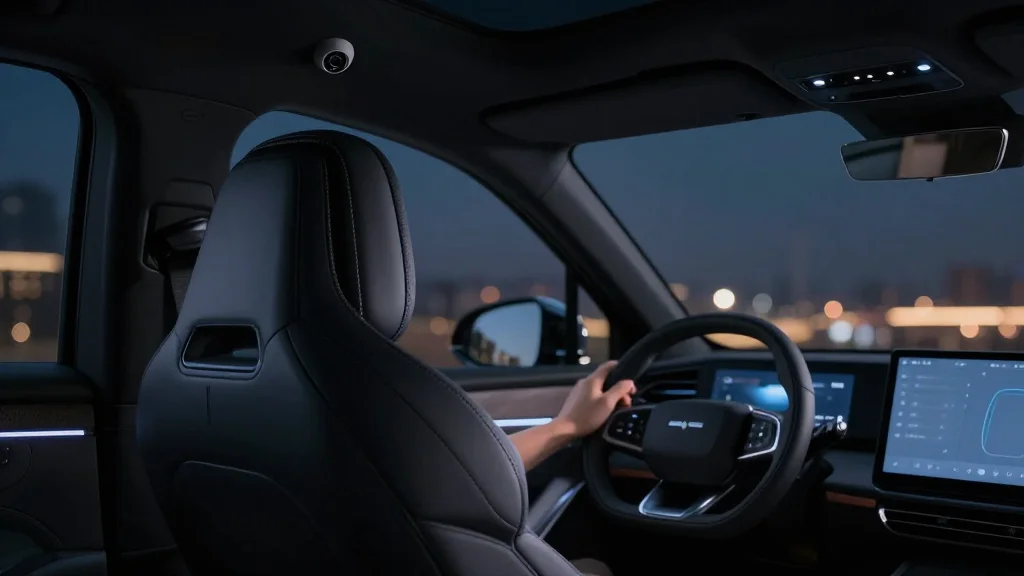
Tesla Updates Robotaxi App with Interior‑Camera Safety and Dark‑Mode UI

Companies Mentioned
Why It Matters
The app update tackles two persistent barriers to autonomous ride‑hailing: passenger safety perception and user‑experience clarity. By foregrounding interior‑camera monitoring, Tesla aims to reassure riders that the vehicle can intervene if unsafe behavior occurs, a critical trust factor for mass adoption. Simultaneously, the streamlined UI reduces friction during boarding, potentially increasing ride frequency and revenue per vehicle. Together, these changes could accelerate the transition from pilot programs to a scalable, profit‑generating Robotaxi network. Moreover, the move signals a shift toward software‑first safety solutions in the autonomy industry. If Tesla’s approach proves effective, regulators and competitors may adopt similar transparency measures, reshaping privacy‑safety trade‑offs and setting new compliance baselines for autonomous mobility services worldwide.
Key Takeaways
- •Tesla released a Robotaxi app update adding interior‑camera safety monitoring and a dark‑mode UI.
- •The app now includes a “tips” section with rider protocols, a seven‑minute wait timer, and pulsing arrival lights.
- •Elon Musk’s X post urging downloads received over 1.4 million views within hours.
- •Tesla’s Cybercab, priced under $30,000, is slated for production in 2026 at Gigafactory Texas.
- •Unsupervised service remains limited to Texas and California pending regulatory approvals.
Pulse Analysis
Tesla’s decision to embed interior‑camera monitoring directly into the rider experience reflects a broader industry trend of leveraging software to mitigate physical safety gaps. Historically, autonomous vehicle firms have relied on external safety certifications and public demonstrations to build trust. By making the monitoring feature visible in the app, Tesla shifts the narrative from “the car is safe” to “the system actively watches the cabin,” a subtle but powerful psychological cue.
The timing of the update is strategic. As FSD version 14.x demonstrates higher reliability on complex routes, Tesla can afford to publicize safety mechanisms without exposing untested technology. The dark‑mode redesign also aligns with user‑experience research indicating that low‑light interfaces reduce eye strain and improve focus, especially for night‑time ride‑hailing—a segment that traditionally sees lower adoption rates for autonomous services.
Competitors such as Waymo and Cruise have been cautious about interior monitoring, citing privacy concerns. Tesla’s bold rollout may force a regulatory dialogue that balances passenger safety with data protection. If regulators endorse the practice, we could see a new compliance standard that mandates interior‑camera disclosures across all autonomous fleets. Conversely, pushback could compel Tesla to refine its data‑handling policies, potentially slowing rollout but enhancing long‑term credibility. In either scenario, the app update is a catalyst that will shape the competitive dynamics and regulatory framework of the autonomous mobility market for years to come.
Tesla Updates Robotaxi App with Interior‑Camera Safety and Dark‑Mode UI
Comments
Want to join the conversation?
Loading comments...