The Age of Physical AI: Inside Oshkosh’s Blueprint for an Autonomous Future
•February 24, 2026
0
Why It Matters
The strategy accelerates safety and efficiency in critical infrastructure while opening sizable new revenue streams for autonomous industrial solutions.
Key Takeaways
- •Hybrid approach focuses on moments delivering immediate value
- •Physical AI automates jet bridges, reducing turnaround time
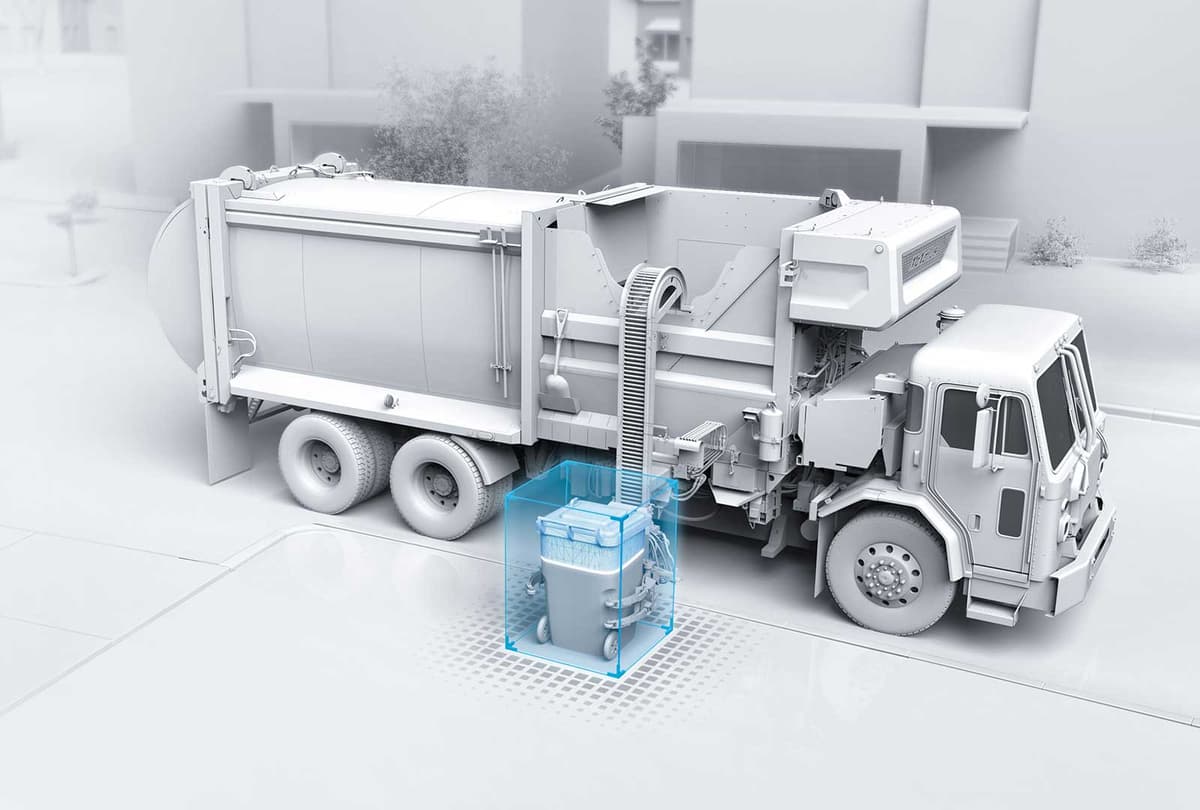
- •HARR‑E robot handles on‑demand refuse collection
- •Military leader‑follower programs test Level‑5 autonomy
- •Oshkosh aims for a ChatGPT‑like AI breakthrough
Pulse Analysis
Physical AI is reshaping how heavy‑industry firms tackle repetitive, high‑risk work, and Oshkosh’s hybrid autonomy framework exemplifies this shift. Rather than pursuing full‑scale self‑driving fleets, the company pinpoints specific tasks where automation yields the greatest return—what it calls "moments of autonomy." This pragmatic stance reduces development risk while delivering measurable safety and productivity gains, positioning Oshkosh as a leader in the emerging industrial‑AI ecosystem.
The rollout of AI‑powered jet‑bridge aligners, autonomous cargo loaders, and the HARR‑E refuse‑collection robot illustrates Oshkosh’s breadth of application. In airports, precise bridge positioning cuts aircraft turnaround by minutes, directly impacting airline schedules and gate utilization. On the tarmac, side‑loading cargo robots mitigate worker exposure to heavy loads and harsh weather. Military leader‑follower trials push the envelope toward Level‑5 autonomy, feeding insights back into civilian platforms such as next‑generation delivery fleets. Each deployment reinforces a data moat that fuels continuous improvement of Oshkosh’s AI stack.
Looking ahead, Iyengar predicts a "ChatGPT moment" for physical AI, where intuitive, language‑driven interfaces make autonomous systems as accessible as consumer software. That vision hinges on expanding sensor data pipelines, strategic sourcing of components, and robust simulation environments. If realized, the technology could transform logistics, public safety, and infrastructure maintenance, unlocking new economic activity while freeing operators to focus on higher‑value tasks. Oshkosh’s roadmap therefore not only advances its product line but also signals a broader industry transition toward seamless, AI‑augmented physical workforces.
The Age of Physical AI: Inside Oshkosh’s Blueprint for an Autonomous Future
0
Comments
Want to join the conversation?
Loading comments...