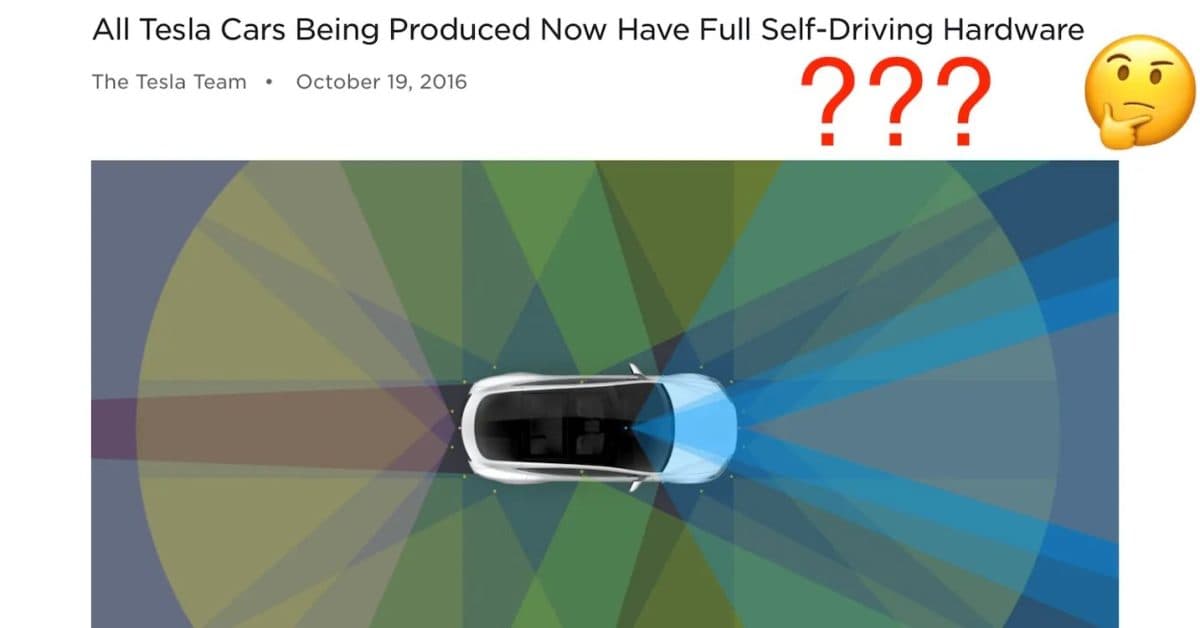
This Tesla Owner Won $10k in Court for Tesla’s FSD Lies. Tesla Is Still Fighting Him.
Companies Mentioned
Why It Matters
The ruling underscores growing consumer backlash against Tesla’s unfulfilled autonomous‑driving promises and signals heightened legal risk for the automaker. It may embolden other owners and class‑action plaintiffs to seek refunds or damages.
Key Takeaways
- •Texas small‑claims court orders Tesla to pay $10,600 for undelivered FSD
- •Owner bought $10,000 FSD in 2021; software remains Level 2
- •Tesla missed default‑judgment response deadline, seeking procedural extensions
- •Potential class actions worldwide could expose Tesla to billions in liability
- •Court granted writ of execution, allowing seizure of Tesla assets
Pulse Analysis
Tesla’s Full Self‑Driving (FSD) software has been marketed as a pathway to Level 5 autonomy, yet the product delivered to consumers remains a Level 2 driver‑assist system. The company’s strategy of incremental software updates and rising price tags has drawn scrutiny from regulators and owners alike. As the hype around robotaxis and autonomous fleets intensifies, the gap between promised capabilities and real‑world performance is becoming a focal point for litigation, with several small‑claims victories highlighting the legal vulnerability of the automaker.
The Gawiser case illustrates how an individual buyer can leverage Texas small‑claims procedures to enforce contract terms. After paying $10,000 for FSD in 2021, Gawiser documented repeated system failures—such as abrupt stops and failure to recognize school zones—and sought a refund through Tesla’s customer‑service channel. When the company ignored his request, he filed a lawsuit, resulting in a default judgment of $10,600 plus fees. Tesla’s subsequent attempts to delay payment through procedural extensions demonstrate a broader pattern of defensive tactics, but the writ of execution now gives the court authority to seize assets, raising the stakes for the company.
Beyond this single judgment, the case sits within a wave of class‑action suits across the United States, Europe, China, and Australia that allege deceptive marketing of autonomous technology. Collectively, these actions could expose Tesla to billions in potential liability, prompting investors and regulators to reassess the firm’s risk profile. The outcome may also pressure Tesla to accelerate hardware upgrades or offer more transparent refund mechanisms, reshaping how the auto industry markets future software‑defined vehicle capabilities.
This Tesla owner won $10k in court for Tesla’s FSD lies. Tesla is still fighting him.
Comments
Want to join the conversation?
Loading comments...