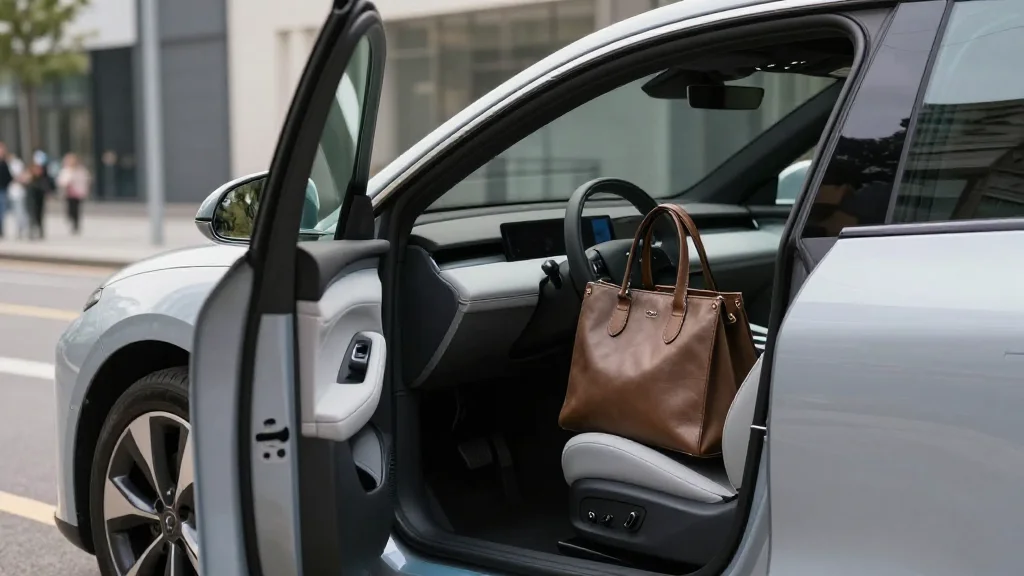
Uber Reports Thousands of Lost Items in Robotaxi Fleet as Autonomous Rides Expand

Why It Matters
The surge in lost‑and‑found reports provides a rare, quantifiable indicator of robotaxi adoption, a metric that is otherwise difficult to gauge in a nascent market. It also highlights the operational challenges of driverless services, where the absence of a human driver shifts responsibility for customer care to backend systems. By leveraging its existing lost‑item platform, Uber can turn a logistical headache into a modest revenue stream, demonstrating how ancillary services can underpin the economics of autonomous mobility. Furthermore, the data underscores the importance of post‑ride support in building rider trust. As autonomous vehicles become more common, seamless recovery of forgotten items could become a differentiator that influences consumer willingness to adopt driverless rides, especially in markets where safety and accountability are scrutinized.
Key Takeaways
- •Uber logged thousands of lost items in robotaxi rides over the past year.
- •$15 fee introduced for same‑day courier delivery of recovered items.
- •Robotaxi service launched with Waymo in Austin (Mar 2025) and expanded to Atlanta, Las Vegas, Dallas.
- •Uber aims for robotaxi availability in up to 15 cities by end‑2026 and to lead global AV trips by 2029.
- •Uber Autonomous Solutions division offers end‑to‑end support for third‑party AV operators.
Pulse Analysis
Uber’s lost‑item disclosure is more than a quirky footnote; it signals that the company’s autonomous fleet has moved beyond pilot phases into a volume‑driven operation. The sheer number of reports implies that robotaxi rides are no longer a novelty but a regular part of the ride‑hailing mix in the cities where Waymo, Motional and Avride are active. This operational maturity is critical because the economics of driverless mobility hinge on high utilization rates and low marginal costs. By repurposing its decade‑old Lost & Found infrastructure, Uber can extract incremental revenue without significant new investment, a strategy that mirrors how legacy platforms are often monetized in emerging tech ecosystems.
From a competitive standpoint, Uber’s approach contrasts with rivals that are still building proprietary support channels from scratch. The $15 courier fee, while modest, creates a direct revenue line that can be scaled as the fleet grows, potentially offsetting the high capital expenditures associated with AV deployment. Moreover, the integration of autonomous support into Uber’s broader logistics network—courier, Connect, and now Autonomous Solutions—creates a unified service stack that could be attractive to third‑party operators seeking turnkey solutions.
Looking forward, the real test will be whether Uber can translate these ancillary services into a meaningful contribution to its bottom line as robotaxi adoption accelerates. If the lost‑item volume continues to rise proportionally with ride counts, the company may consider bundling support services into premium rider packages or offering insurance‑style guarantees. Such moves would not only deepen customer loyalty but also provide a clearer path to profitability in a market where pure ride revenue is still thin. Uber’s ability to scale both the fleet and its support ecosystem will likely determine whether it can fulfill its 2029 ambition of becoming the world’s largest AV trip facilitator.
Uber reports thousands of lost items in robotaxi fleet as autonomous rides expand
Comments
Want to join the conversation?
Loading comments...