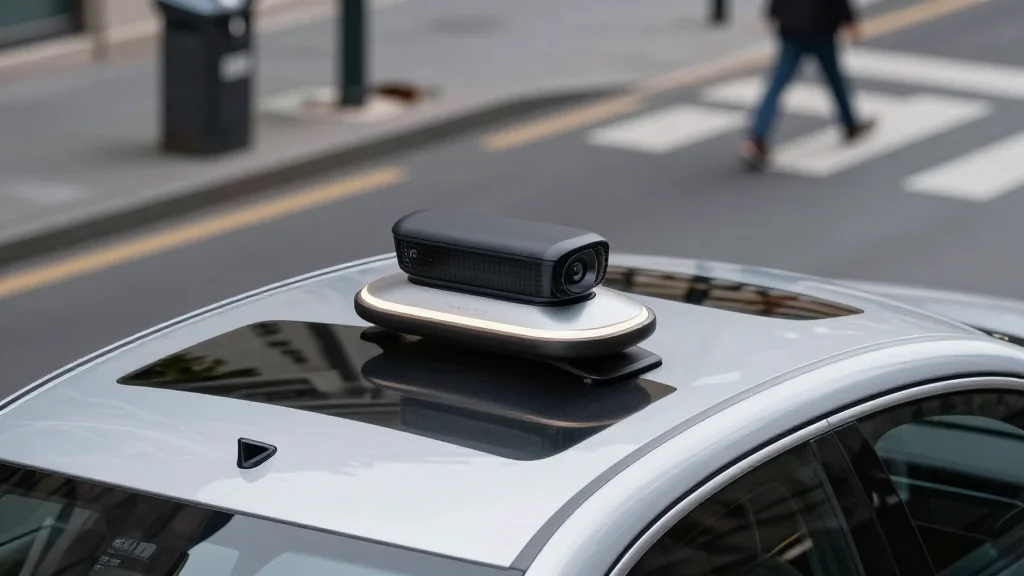
Uber Rolls Out Driver‑car Program to Harvest AI Training Data for Future Robotaxis

Why It Matters
The program could dramatically accelerate the data acquisition phase that traditionally stalls autonomous‑vehicle deployments, especially in new markets where detailed sensor maps are scarce. By turning everyday rides into data‑gathering missions, Uber may reduce the time and cost needed to train perception systems on rare, high‑risk scenarios. At the same time, the initiative spotlights the labor implications of scaling robotaxis, as drivers who help train the technology may later find their roles redundant. The tension between data needs and driver livelihoods could influence regulatory scrutiny and public acceptance of autonomous fleets. Moreover, if Uber begins selling curated datasets to rivals such as Waymo, the competitive dynamics of the autonomous‑vehicle industry could shift from proprietary data silos to a more open‑market model. Access to Uber’s city‑wide sensor logs might lower entry barriers for smaller players, potentially spurring innovation but also raising questions about data ownership, privacy, and the monetization of public roadways.
Key Takeaways
- •Uber announced a program to equip driver‑owned cars with sensor suites for AI training data.
- •The initiative targets unpredictable road events that synthetic models struggle to predict.
- •Uber indicated the collected data could be offered to other autonomous‑vehicle firms.
- •Driver protests in Los Angeles and a campaign that pushed Waymo out of Boston highlight labor concerns.
- •Timeline, driver compensation, and scale of the pilot have not been disclosed.
Pulse Analysis
Uber’s data‑collection strategy reflects a pragmatic response to one of the biggest bottlenecks in autonomous‑vehicle development: acquiring enough real‑world edge cases to train robust perception models. Historically, companies have relied on dedicated fleet vehicles that operate without passengers, a costly approach that slows market entry. By leveraging its existing rideshare network, Uber can tap into a massive, continuously moving sensor platform at a fraction of the expense. This could compress the data‑gathering timeline from years to months, giving Uber a competitive edge in the race to launch robotaxis.
However, the model also amplifies the labor dilemma inherent in the gig economy. Drivers become both data providers and potential casualties of the technology they help perfect. The reference to protests in Los Angeles and the driver‑led effort that ousted Waymo from Boston underscores a growing pushback against automation that threatens gig workers. Uber will need to balance incentives—perhaps through higher per‑mile pay or data‑sharing royalties—to mitigate backlash and retain driver participation.
If Uber proceeds to commercialize its datasets, the industry could see a shift toward data‑as‑a‑service, where high‑resolution city maps and edge‑case libraries become tradable commodities. This would democratize access for smaller autonomous firms but also raise regulatory questions about who owns the data captured on public roads and how privacy is protected. The success or failure of Uber’s program will likely influence whether other ride‑hailing platforms adopt similar models, potentially redefining the data supply chain that underpins the future of autonomous mobility.
Uber rolls out driver‑car program to harvest AI training data for future robotaxis
Comments
Want to join the conversation?
Loading comments...