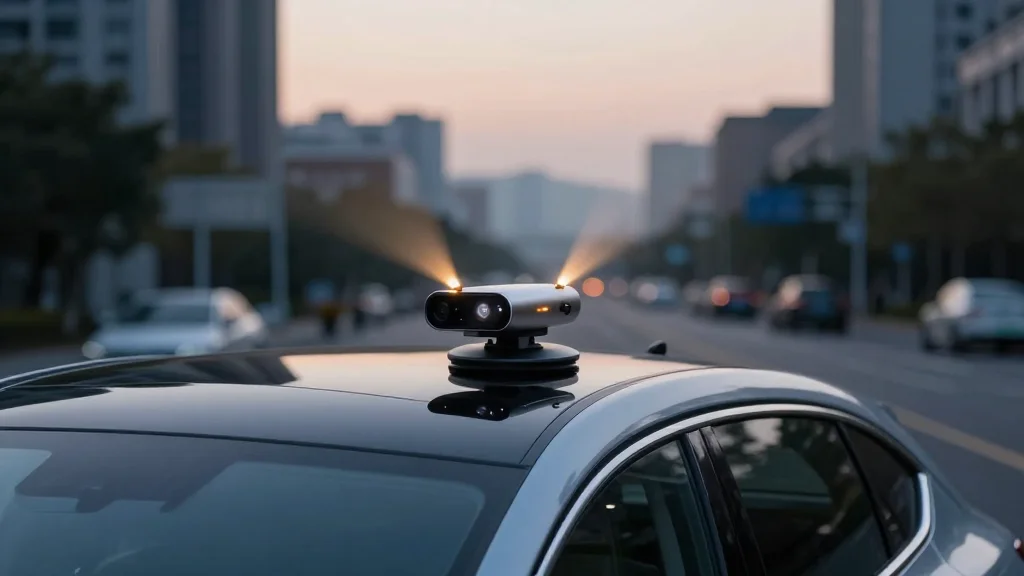
Uber to Turn Driver Fleet Into Nationwide Sensor Network for AV Developers

Why It Matters
The initiative could solve the chronic data shortage that hampers autonomous‑vehicle training, accelerating the timeline for safe, city‑wide deployments. By turning everyday rides into data collection missions, Uber creates a new revenue‑adjacent asset that could redefine its role from mobility platform to critical infrastructure provider. For AV startups and incumbents alike, access to Uber’s sensor grid could level the playing field, reducing the need for massive capital expenditures on dedicated fleets. At the same time, the partnership with Hertz signals a consolidation of fleet‑management expertise, potentially giving the combined entities a competitive moat in a market where operational efficiency is as vital as algorithmic prowess.
Key Takeaways
- •Uber plans to equip its millions of drivers with sensor kits for AV data collection.
- •Hertz’s Oro Mobility will provide operational support for autonomous and driver‑led services in the Bay Area.
- •Uber’s AV Labs currently runs a small dedicated sensor fleet; the goal is nationwide scaling.
- •The company already partners with 25 AV firms and is building an "AV cloud" of labeled data.
- •Regulatory clarity on sensor data sharing is identified as a key hurdle for rollout.
Pulse Analysis
Uber’s sensor‑network strategy is a logical extension of its massive ride‑hailing footprint. Historically, AV developers have struggled with the "data gap"—the need for billions of miles of diverse driving scenarios to train robust models. By leveraging its driver base, Uber can supply that mileage at a fraction of the cost of building a dedicated fleet, effectively turning a competitive disadvantage (the loss of its own self‑driving program) into a new strategic asset.
The partnership with Hertz’s Oro Mobility adds a layer of operational credibility. Hertz, once a pure rental company, has been pivoting toward mobility services and now positions itself as a back‑office for both autonomous and human‑driven fleets. This dual capability could make the Uber‑Hertz alliance a one‑stop shop for AV companies seeking data, maintenance, and compliance services, creating a barrier to entry for rivals that lack such integrated infrastructure.
However, the model’s success hinges on regulatory acceptance and data‑ownership frameworks. States may impose strict privacy or safety standards on sensor data, potentially fragmenting the network. Moreover, while Uber claims the data will be democratized, the commercial value of a nationwide, labeled dataset is immense; future pricing models could shift the balance of power toward Uber, giving it leverage over partner AV firms. Investors should watch the Bay Area pilot closely—its performance will signal whether Uber can transition from a mobility platform to a data‑infrastructure leader in the autonomous‑vehicle ecosystem.
Uber to Turn Driver Fleet into Nationwide Sensor Network for AV Developers
Comments
Want to join the conversation?
Loading comments...