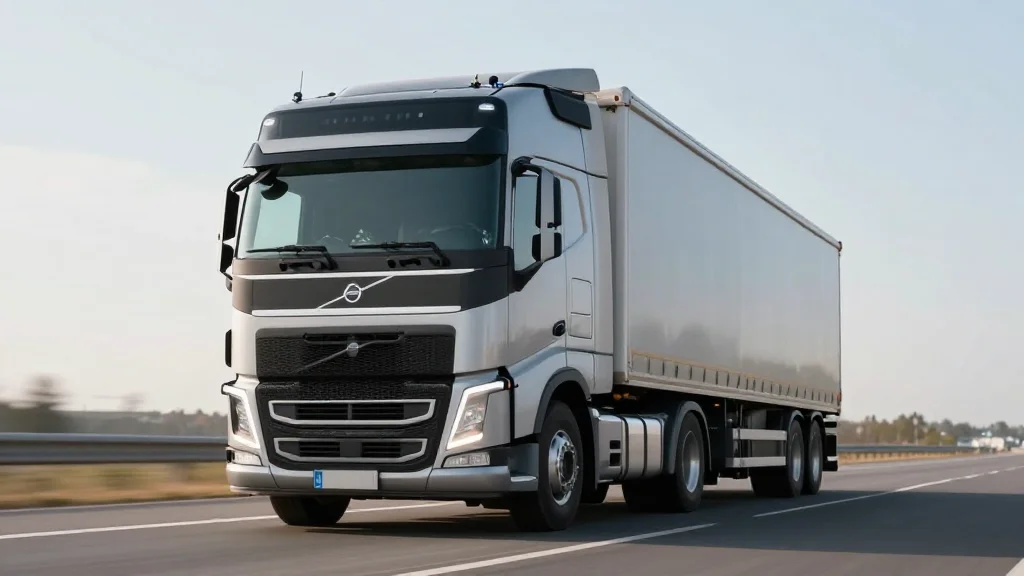
Volvo Eyes $3B Autonomous Truck Business in 5 Years
Why It Matters
If Volvo reaches its $3 billion target, autonomous trucking could become a major revenue stream, reshaping logistics economics and alleviating the industry‑wide driver shortage. The move also signals accelerated commercial adoption of self‑driving technology in the United States.
Key Takeaways
- •Volvo targets $3B autonomous truck revenue by 2031.
- •Over 300 driverless rigs to operate on U.S. highways by end‑2027.
- •Autonomous trucks could double utilization, easing driver shortage.
- •Volvo sees faster growth in trucks and construction equipment units.
Pulse Analysis
The autonomous trucking sector is entering a pivotal growth phase, with investors flocking to startups like Sweden’s Einride, which debuted on the NYSE this week. Volvo’s clear roadmap—launching driverless rigs in the U.S. within months and scaling to over 300 units by 2027—positions it as a leading incumbent willing to bet heavily on the technology. By leveraging its global brand and existing logistics relationships, Volvo aims to capture a sizable slice of the emerging market, turning a nascent service into a multi‑billion‑dollar revenue line.
Beyond headline numbers, the operational upside of driverless trucks is compelling. Autonomous systems can run beyond human‑driven legal limits, effectively doubling vehicle utilization and cutting per‑mile costs. This directly addresses the chronic driver shortage that has plagued North American freight carriers for years, while also offering smoother, more predictable delivery schedules. Regulators are gradually adapting frameworks to accommodate Level 4 autonomy on highways, creating a favorable environment for early adopters like Volvo to refine safety protocols and demonstrate reliability at scale.
Financially, Volvo’s autonomous push dovetails with its broader ambition to accelerate growth in both its truck and construction‑equipment divisions. Strong order books in Europe and North America, coupled with rising freight rates, provide a solid backdrop for the company to invest in production capacity and R&D. Should the $3 billion revenue target materialize, autonomous trucking could become a cornerstone of Volvo’s future earnings, influencing valuation multiples and prompting competitors to accelerate their own self‑driving programs. The rollout will likely serve as a bellwether for the wider logistics industry’s transition toward fully automated freight movement.
Volvo Eyes $3B Autonomous Truck Business in 5 Years
Comments
Want to join the conversation?
Loading comments...