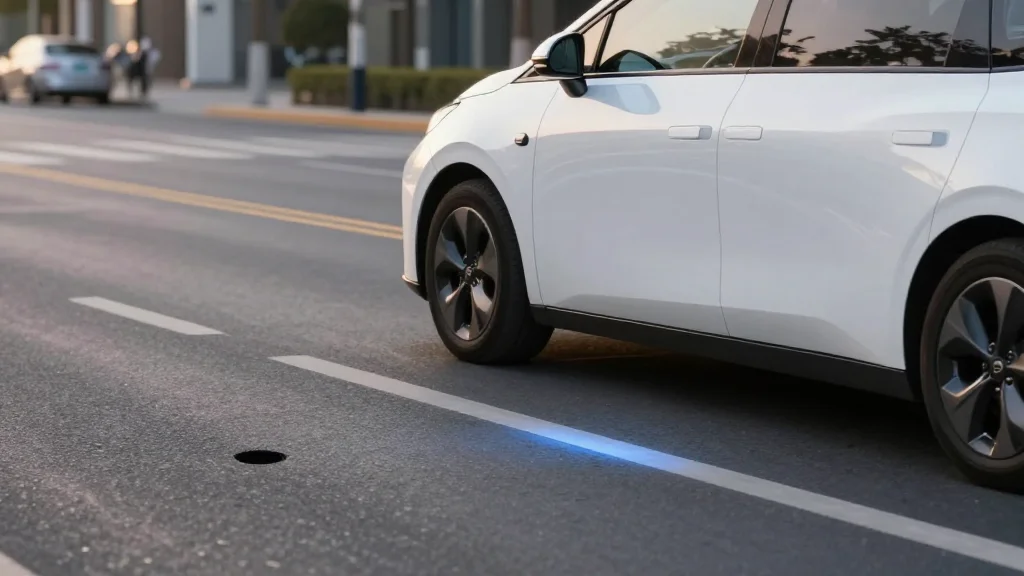
Waymo and Waze Launch Pilot to Map Potholes via Robotaxis

Companies Mentioned
Why It Matters
The Waymo‑Waze pilot illustrates how autonomous vehicle data can be repurposed for municipal benefit, turning a transportation asset into a distributed sensor network. By providing free, high‑frequency pothole reports, the program could reduce repair backlogs, lower vehicle damage costs, and improve driver safety across multiple jurisdictions. If the model proves reliable, it may catalyze a new revenue category for AV firms—selling or licensing infrastructure‑monitoring data to governments. This could accelerate the deployment of autonomous fleets, as operators diversify income streams beyond passenger fares, while municipalities gain a scalable tool to address chronic road‑maintenance challenges.
Key Takeaways
- •Waymo and Waze launch a pilot in five U.S. cities to detect potholes using robotaxi sensors.
- •Approximately 500 potholes have been identified across San Francisco, Los Angeles, Phoenix, Austin and Atlanta.
- •Data will be shared for free with city Departments of Transportation via Waze for Cities software.
- •Mayor Matt Mahan praised the collaboration as a faster way to address road damage.
- •Pilot runs for six months, with potential expansion to broader infrastructure monitoring.
Pulse Analysis
Waymo’s decision to bundle civic‑service data with its robotaxi operations reflects a strategic pivot toward ecosystem value creation. By offering municipalities a free, AI‑driven pothole detection service, Waymo not only enhances its public image but also builds a data moat that competitors will find hard to replicate without similar sensor coverage. This approach mirrors the broader trend of platform companies monetizing ancillary data streams—think of how ride‑hailing firms have leveraged trip data for urban planning insights.
Historically, AV companies have faced criticism for limited public benefit, especially when operating in dense urban areas without clear community returns. The pilot directly addresses that criticism, positioning Waymo as a partner in solving a tangible city problem. If the pilot demonstrates measurable reductions in repair times, it could set a precedent for public‑private data sharing agreements, prompting other AV players to propose similar services. Such a shift could also influence regulatory dialogues, as city officials may view autonomous fleets more favorably when they contribute to infrastructure upkeep.
Looking ahead, the scalability of the model will hinge on data accuracy and integration with existing municipal workflows. False positives could erode trust, while seamless verification through the Waze app could become a template for future smart‑city initiatives. Should Waymo expand the service to include additional sensor‑derived insights—like detecting cracked sidewalks or malfunctioning traffic signals—the company could evolve into a de‑facto infrastructure‑monitoring platform, fundamentally reshaping the economics of autonomous mobility.
Waymo and Waze Launch Pilot to Map Potholes via Robotaxis
Comments
Want to join the conversation?
Loading comments...