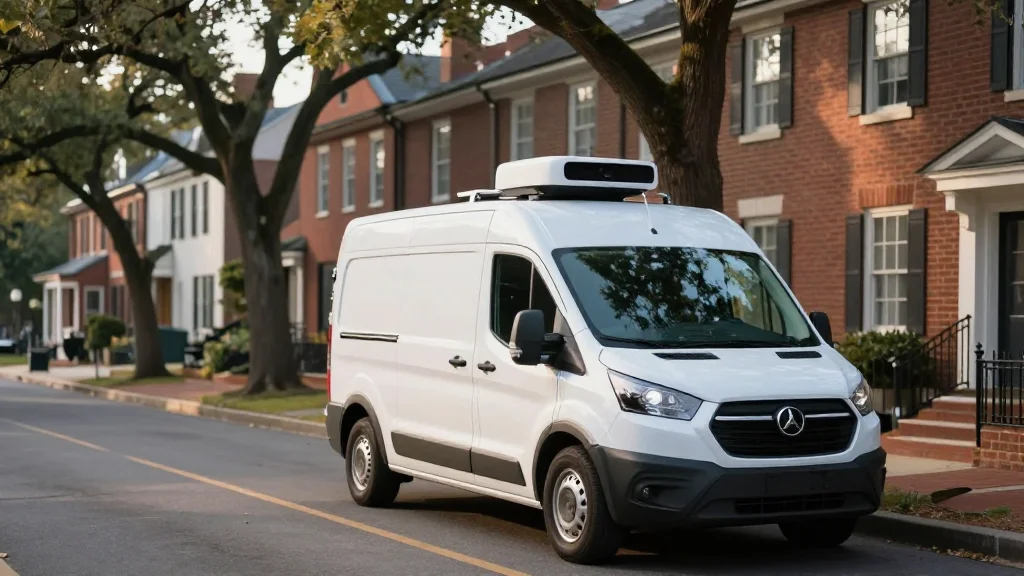
Waymo Begins Virginia Mapping, Paving Way for Robotaxi Rollout

Companies Mentioned
Why It Matters
Waymo’s entry into Virginia represents a strategic foothold in a politically influential region that sits at the nexus of federal and state transportation policy. By establishing a detailed sensor map now, Waymo can accelerate the certification process once legislation permits passenger service, giving it a first‑mover advantage over competitors. The move also highlights the growing importance of regulatory alignment; without clear licensing pathways, even the most advanced autonomous fleets remain confined to testing phases. Furthermore, Virginia’s dense commuter corridors and proximity to Washington, D.C., make it an ideal proving ground for high‑volume robotaxi operations. Successful deployment could demonstrate the economic and safety benefits of driverless rides to skeptical lawmakers and labor groups, potentially easing resistance in other states and accelerating nationwide adoption of autonomous mobility.
Key Takeaways
- •Waymo deployed mapping vehicles in Alexandria and Arlington, Virginia this week
- •Company currently completes ~500,000 rides weekly across 11 U.S. metros
- •Mapping to robotaxi transition typically takes 12‑18 months and significant capital
- •Virginia Senate bill aims to license autonomous passenger service, but not before 2028
- •27 U.S. states already permit driverless taxi testing; Virginia would be a new addition
Pulse Analysis
Waymo’s Virginia mapping effort underscores a shift from pure technology development to strategic regulatory positioning. Historically, autonomous firms have focused on perfecting perception stacks before courting policymakers; Waymo is now flipping that script by planting physical assets in a jurisdiction while the legal framework is still being drafted. This dual‑track approach reduces time‑to‑market once legislation clears, a critical advantage in an industry where first‑mover status can translate into network effects and data superiority.
The timing is also notable. After recent operational hiccups—weather‑related pauses in Texas, Tennessee and Georgia—Waymo appears to be rebalancing its portfolio, targeting regions with relatively stable weather and a supportive political climate. Virginia’s proximity to the federal capital offers a lobbying conduit that could influence national standards, especially as the Department of Transportation considers a unified framework for autonomous vehicles. If Waymo can demonstrate a seamless transition from mapping to passenger service in Virginia, it may set a de‑facto benchmark for other states.
Competitive dynamics will intensify. Cruise, backed by General Motors, and Aurora, with its Uber partnership, are both eyeing the Mid‑Atlantic market. Waymo’s early physical presence could force rivals to accelerate their own mapping campaigns, potentially leading to a crowded sensor‑fleet environment that strains local road capacity and raises safety concerns. Regulators will need to balance innovation incentives with public safety, a challenge that will shape the next wave of autonomous deployments across the United States.
Waymo begins Virginia mapping, paving way for robotaxi rollout
Comments
Want to join the conversation?
Loading comments...