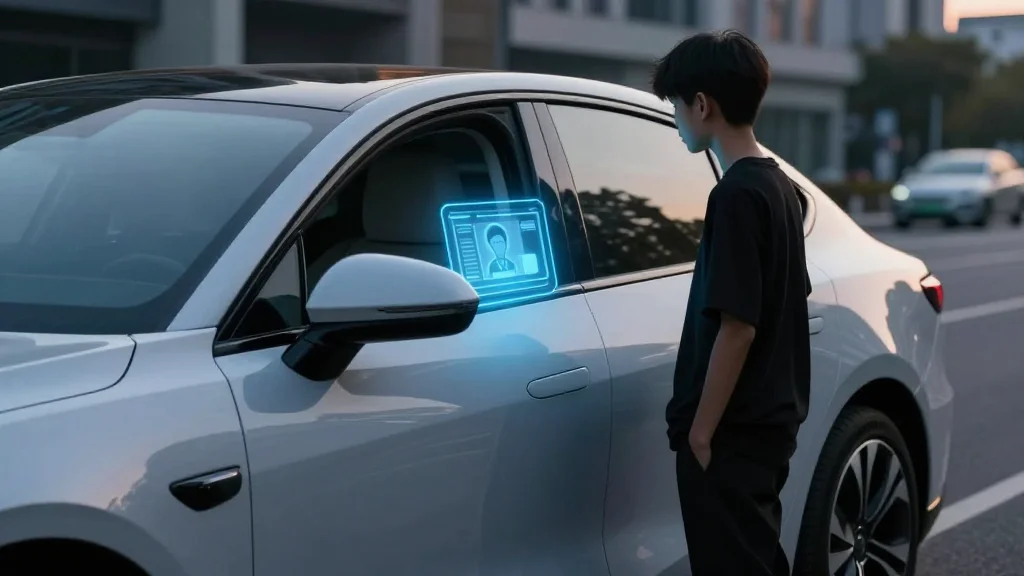
Waymo Clamps Down on Solo Minors in California Driverless Rides

Companies Mentioned
Why It Matters
The crackdown highlights a friction point between autonomous‑mobility convenience and public‑policy safeguards. Allowing minors to ride alone in driverless cars raises liability questions, especially when state permits explicitly forbid the practice. By enforcing age checks, Waymo not only protects children but also signals to regulators that it can self‑police, potentially averting stricter legislative measures that could limit fleet expansion. Beyond Waymo, the move sets a precedent for other AV providers that may be tempted to monetize family‑oriented services. A clear, enforceable policy could become a de‑facto industry standard, shaping how autonomous ride‑hailing integrates with existing transportation safety frameworks across the United States.
Key Takeaways
- •Waymo adds real‑time age‑verification prompts for California rides.
- •Violations may lead to temporary or permanent account suspension.
- •The policy follows a labor‑group complaint alleging illegal transport of solo minors.
- •Waymo’s Phoenix teen‑account program serves "hundreds" of families weekly.
- •California DMV rules, effective July 1, empower police to cite AV manufacturers for traffic violations.
Pulse Analysis
Waymo’s decision to harden its solo‑minor policy is both a defensive maneuver and a strategic signal. The company operates the largest driverless fleet in California, and any regulatory breach threatens its permit status and public perception. By deploying automated age checks, Waymo leverages its existing sensor suite to enforce a rule that previously relied on self‑reporting, reducing the risk of human error or intentional circumvention.
Historically, autonomous‑vehicle firms have navigated a regulatory gray zone where the absence of a driver complicates enforcement. California’s recent rulebook closes that gap for traffic violations, but rider‑age compliance remains a softer, contractual issue. Waymo’s proactive stance may force competitors like Cruise, Zoox, and emerging freight players to adopt similar safeguards, accelerating a de‑facto standard for passenger eligibility.
Looking ahead, the policy could have ripple effects on market dynamics. Parents who value the convenience of robotaxis may shift to services that allow supervised rides, such as traditional ride‑hail with human drivers, or to regions like Phoenix where teen accounts are permitted. Conversely, Waymo’s ability to enforce the rule without disrupting service could reinforce its brand as a safety‑first operator, a differentiator in a crowded AV market where public trust remains fragile. The upcoming DMV enforcement mechanisms—notice of noncompliance and potential permit restrictions—will test whether internal compliance tools like Waymo’s age verification are sufficient or if external penalties will drive further industry consolidation.
Waymo clamps down on solo minors in California driverless rides
Comments
Want to join the conversation?
Loading comments...