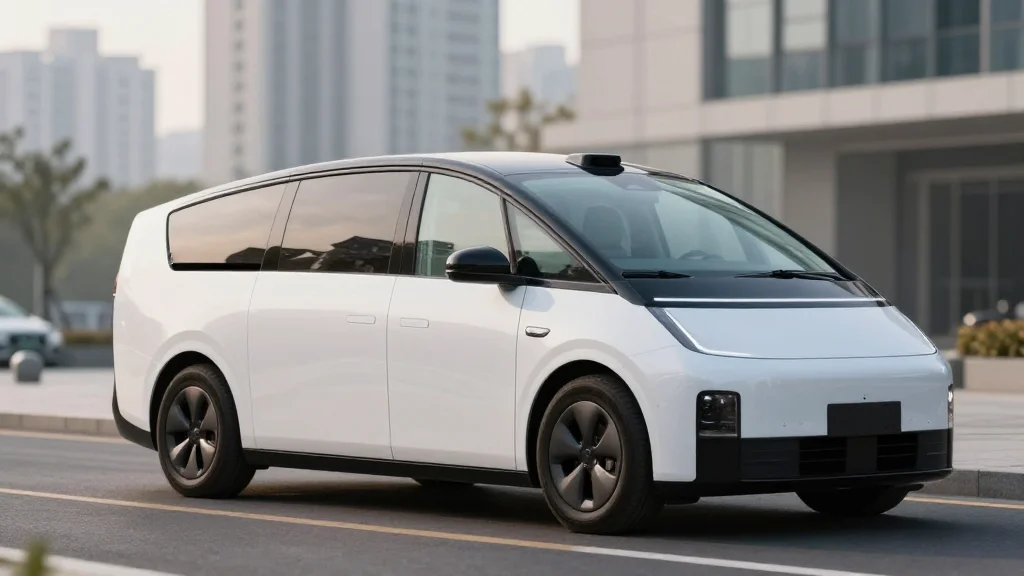
Waymo Deploys 100 Ojai Robotaxis in San Francisco, Los Angeles and Phoenix

Companies Mentioned
Why It Matters
The Ojai launch signals Waymo’s shift from retrofitting premium SUVs to producing purpose‑built, cost‑efficient robotaxis, a move that could unlock broader geographic expansion and make autonomous rides more affordable for consumers. By addressing previous operational blind spots—construction zones, flooding and cold‑weather performance—Waymo is positioning itself to reclaim market share in the fiercely competitive U.S. autonomous‑vehicle race. If Waymo can deliver on its promise of cheaper, scalable hardware while maintaining safety, the Ojai could become the industry’s de‑facto platform for mass‑market robotaxis, pressuring rivals to accelerate their own purpose‑built vehicle programs and potentially reshaping the economics of driverless mobility.
Key Takeaways
- •Waymo rolls out ~100 Ojai robotaxis in San Francisco, Los Angeles and Phoenix
- •Ojai is a Zeekr‑built minivan retrofitted with Waymo’s sixth‑generation driver
- •Sensor suite cut to 13 cameras, 4 lidar and 6 radar, reducing unit cost to under $20,000
- •Initial rides are free for a select group; paid service will follow
- •Waymo plans to scale production to tens of thousands of Ojai units per year
Pulse Analysis
Waymo’s Ojai rollout is more than a product launch; it is a strategic pivot aimed at solving two persistent challenges in autonomous mobility: cost structure and geographic reach. The company’s earlier reliance on Jaguar I‑Pace conversions locked it into a high‑cost, limited‑capacity model that struggled to justify expansion into colder or less‑dense markets. By slashing the sensor count and leveraging a modular software stack, Waymo reduces both capital expenditure and maintenance overhead, a critical advantage as the firm battles a wave of service suspensions that have eroded rider confidence.
The partnership with Zeekr also reflects a broader industry trend of cross‑border collaborations that blend Chinese manufacturing scale with Silicon Valley AI expertise. While geopolitical tensions have made such alliances delicate, Waymo’s decision to source the vehicle chassis from Geely’s Zeekr and then retrofit it in the United States sidesteps many tariff and supply‑chain pitfalls, while still delivering a vehicle that meets U.S. safety standards. This hybrid approach could become a template for other autonomous firms seeking to balance cost, quality and regulatory compliance.
Competitors are watching closely. Zoox’s purpose‑built robotaxi already operates in a limited set of cities, but its design is more niche, targeting dense urban corridors. Tesla’s upcoming Cybercab promises a low‑cost, high‑volume model, yet it still relies on consumer‑grade hardware that may not meet the durability standards required for commercial fleets. Waymo’s Ojai, with its emphasis on durability, ease of cleaning and modular upgrades, positions the company to capture a larger share of the emerging robotaxi market, especially as municipalities begin to require proven safety performance in adverse weather. The next quarter will reveal whether the Ojai’s lower price point translates into higher rider adoption and whether Waymo can sustain its growth trajectory amid intensified regulatory scrutiny and competitive pressure.
Waymo Deploys 100 Ojai Robotaxis in San Francisco, Los Angeles and Phoenix
Comments
Want to join the conversation?
Loading comments...