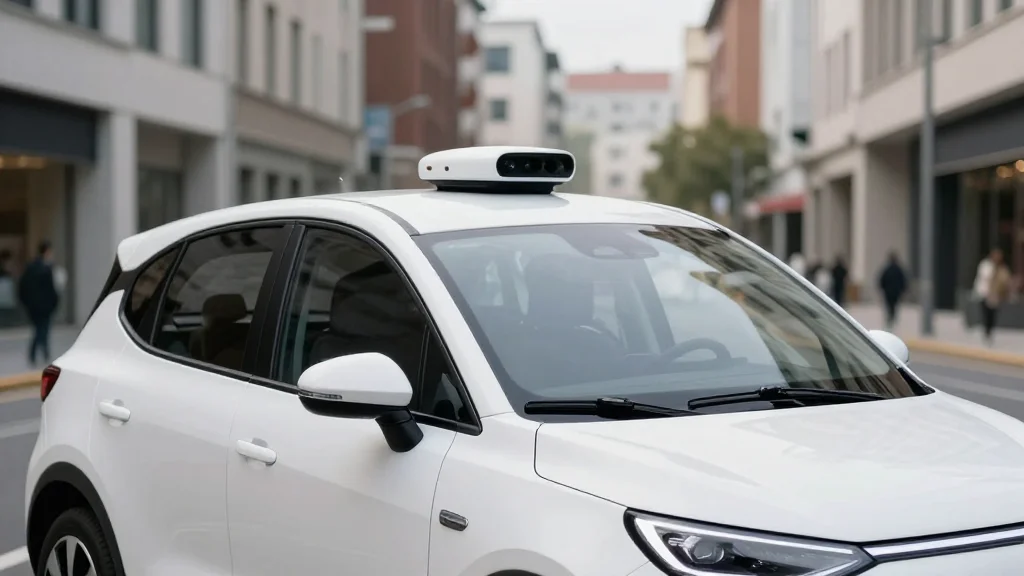
Waymo Launches Ojai Robotaxi Model, Free Trials to Begin in Select US Cities

Companies Mentioned
Why It Matters
The Ojai rollout signals Waymo’s transition from a technology demonstrator to a mass‑market mobility provider. By designing a vehicle specifically for passengers—rather than retrofitting existing models—Waymo addresses a key barrier to adoption: rider comfort and confidence. The inclusion of accessibility features also broadens the potential user base, aligning with regulatory expectations and social equity goals. Moreover, the scaling of production to tens of thousands of units per year tackles the supply‑side constraint that has limited robotaxi fleet growth. If Waymo can sustain high‑volume manufacturing while maintaining safety standards, it could accelerate the overall deployment of autonomous ride‑hailing services across the United States, pressuring rivals to match its pace.
Key Takeaways
- •Waymo’s Ojai robotaxi will begin free trials in San Francisco, Los Angeles and Phoenix within weeks
- •First vehicle to use Waymo’s sixth‑generation Driver, aimed at snow‑ready operation
- •Manufacturing capacity targeted at tens of thousands of Ojai units per year from Mesa, Arizona
- •Cabin features include flat floor, low step‑in height, three adaptive screens, Braille and grab bars
- •Expansion plan includes Denver, Las Vegas and San Diego later in 2026
Pulse Analysis
Waymo’s Ojai launch marks a strategic pivot from incremental software upgrades to a holistic vehicle ecosystem. Historically, the company relied on third‑party EVs—most notably the Jaguar I‑Pace—to house its driver stack. By partnering with Zeekr, Waymo gains tighter control over vehicle architecture, allowing it to embed sensors, powertrain and interior ergonomics in a single, purpose‑built platform. This vertical integration mirrors the approach taken by Tesla, which has leveraged its own chassis to accelerate feature rollouts and cost reductions.
The decision to debut the Ojai with a free‑trial model serves a dual purpose: it generates real‑world data at scale while lowering the barrier for skeptical early adopters. Free rides also create a feedback loop that can be used to fine‑tune the user interface—particularly the three large adaptive screens that let passengers control climate and entertainment. In a market where trust is paramount, such hands‑on experience may be more persuasive than any marketing campaign.
From a competitive standpoint, Waymo’s emphasis on all‑weather capability could be a differentiator. Uber’s autonomous fleet has largely been confined to milder climates, and Tesla’s Cybercab remains in prototype stages. If Waymo can demonstrate reliable performance in snow and slush, it may capture a segment of the market that other players have avoided, especially in northern U.S. cities where demand for year‑round mobility is high. However, scaling production without compromising safety will be the litmus test; any high‑profile incident could erode the confidence built through the current trial phase.
Overall, the Ojai rollout underscores a maturation of the autonomous‑vehicle industry: moving from isolated pilots to a productized, passenger‑first offering backed by manufacturing scale. The next six months will reveal whether Waymo can translate this promise into sustained ridership and whether competitors can keep pace.
Waymo launches Ojai robotaxi model, free trials to begin in select US cities
Comments
Want to join the conversation?
Loading comments...