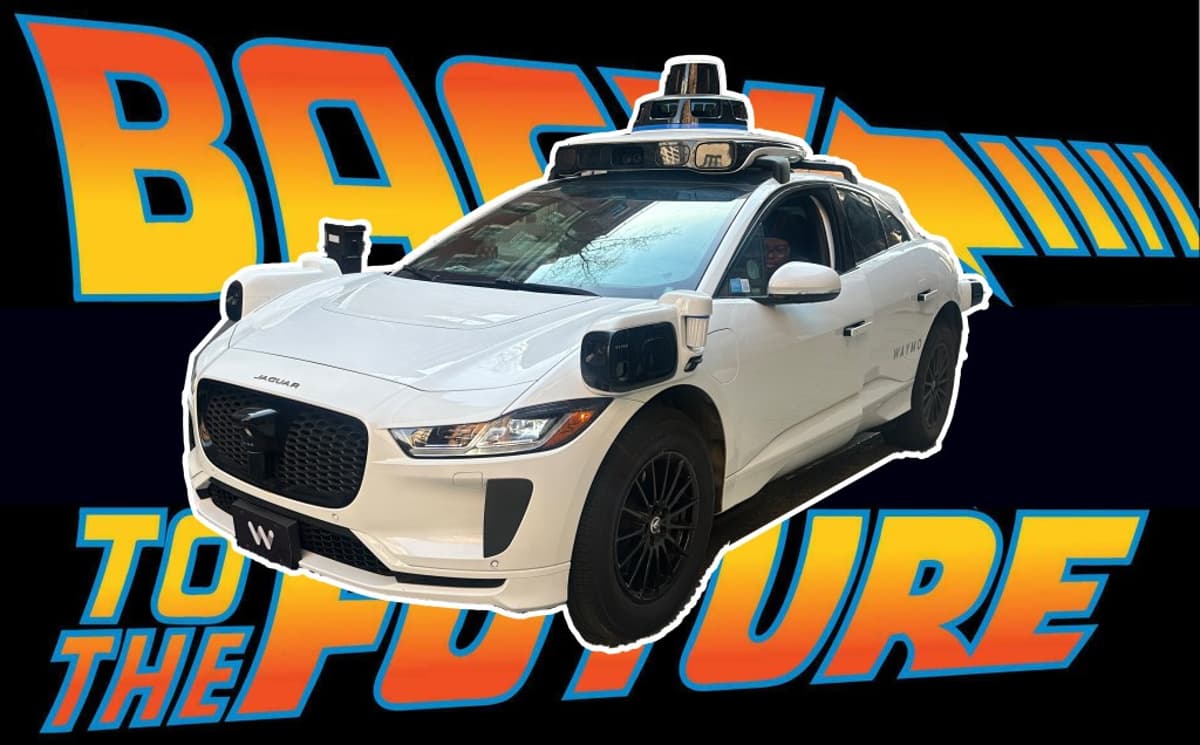
Waymo Means Way Mo’ Cars, According To Uber Docs
Key Takeaways
- •Uber sees Waymo AVs expanding total ride‑hailing market
- •AV supply in Austin, Atlanta, SF drove higher Uber trip volumes
- •Uber’s NYC daily trips: 506k vs Lyft 204k, yellow cabs 118k
- •Critics argue AVs won’t reduce vehicle miles or congestion
- •Uber plans to launch its own self‑driving taxis in San Francisco
Pulse Analysis
The rollout of Waymo’s driverless taxis is prompting a reassessment of how autonomous vehicles (AVs) affect the broader mobility ecosystem. Uber’s latest investor deck frames AVs as a new supply source that lowers fares and shortens ETAs, thereby enlarging the total addressable market. By positioning Waymo not as a competitor but as a catalyst, Uber highlights a paradox: more cars on the road can translate into more rides, especially in markets where consumers are still discovering the convenience of on‑demand transport.
Data from three pilot cities illustrate this dynamic. In Austin and Atlanta, where Waymo rides are booked through the Uber app, overall trip counts have risen sharply, a trend mirrored in San Francisco where Waymo operates a standalone service. Uber’s New York City figures reinforce the point—over half a million daily trips dwarf Lyft’s 200,000-plus and traditional yellow cabs’ 118,000. Yet city officials and advocacy groups remain skeptical, arguing that additional AVs may exacerbate congestion and fail to curb vehicle‑miles‑travel, echoing earlier findings that ride‑share apps increased, rather than decreased, traffic.
The debate extends beyond numbers to policy and labor implications. While Uber and Waymo tout safety improvements and potential reductions in human‑driver costs, critics warn of job displacement and inequitable service distribution. Uber’s plan to deploy its own self‑driving fleet in San Francisco signals a strategic bet that controlling the AV stack will secure market share and influence regulatory outcomes. As municipalities grapple with street space allocation and equity concerns, the next wave of autonomous ride‑hailing could reshape urban transportation—provided stakeholders balance growth ambitions with sustainable, inclusive planning.
Waymo Means Way Mo’ Cars, According To Uber Docs
Comments
Want to join the conversation?