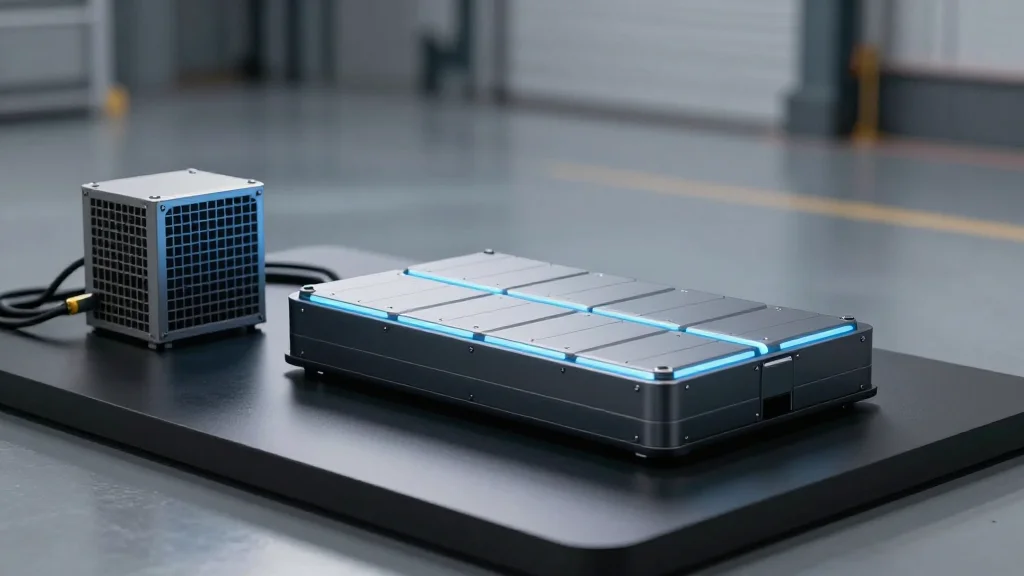
Waymo Partners with B2U to Give Retired Robotaxi Batteries a Second Life in Grid Storage

Companies Mentioned
Why It Matters
The Waymo‑B2U partnership bridges two fast‑growing sectors—autonomous mobility and renewable‑energy storage—by turning a waste stream into a revenue‑generating asset. As autonomous fleets expand, the volume of retired batteries will increase dramatically, creating both an environmental challenge and a financial opportunity. By demonstrating a viable second‑life pathway, Waymo sets a precedent that could pressure other fleet operators to adopt similar circular‑economy practices, accelerating grid decarbonization and reducing reliance on newly mined battery materials. Moreover, the deployment in California and Texas provides a real‑world testbed for how high‑utilization EV batteries can smooth intermittent renewable generation. Successful integration could encourage utilities and policymakers to incorporate second‑life storage into grid‑planning frameworks, potentially unlocking new incentives and regulatory support for similar projects nationwide.
Key Takeaways
- •Waymo partners with B2U Storage Solutions to repurpose retired robotaxi batteries for grid storage.
- •Each reused battery can add $8,000‑$10,000 of electric‑power value before final recycling.
- •First deployments will be in California and Texas, targeting hundreds of megawatts of capacity.
- •Waymo’s fleet makes ~500,000 trips weekly, creating a steady supply of high‑utilization batteries.
- •Second‑life storage could become a core revenue stream as autonomous rides are projected to reach 36 million in the U.S. this year.
Pulse Analysis
Waymo’s move reflects a strategic pivot from pure mobility to a hybrid model that monetizes hardware assets beyond their primary use case. Historically, automakers have treated EV batteries as a disposal problem, relying on costly recycling processes that recover only a fraction of the embedded value. By partnering with a specialist like B2U, Waymo sidesteps the recycling bottleneck and taps into the burgeoning demand for grid‑scale storage, a market projected to exceed $200 billion globally by 2030. This alignment of supply (retired batteries) and demand (flexible storage) creates a low‑cost, domestically sourced alternative to fresh battery packs, which are currently constrained by raw‑material shortages and geopolitical supply‑chain risks.
From a competitive standpoint, Waymo’s initiative could force rivals such as Cruise, Tesla and emerging Chinese players to accelerate their own battery‑reuse programs. Investors are increasingly scrutinizing the total‑cost‑of‑ownership of autonomous fleets, and a demonstrable second‑life revenue stream improves unit economics and strengthens the sustainability narrative that many regulators and municipalities now require. The partnership also offers Waymo a data advantage: real‑time performance metrics from repurposed cells can feed back into vehicle‑design cycles, informing battery chemistry choices that balance range, durability and second‑life potential.
Looking ahead, the success of the California‑Texas pilots will likely dictate the pace of broader adoption. If the cabinets achieve high round‑trip efficiency and reliable degradation profiles, utilities may offer long‑term power‑purchase agreements, turning retired robotaxi batteries into a predictable cash flow. Conversely, any technical setbacks could reinforce the perception that second‑life storage remains a niche solution. Either way, Waymo’s early entry positions it as a pioneer at the intersection of autonomous transport and clean‑energy infrastructure, a space that could define the next decade of both mobility and grid modernization.
Waymo partners with B2U to give retired robotaxi batteries a second life in grid storage
Comments
Want to join the conversation?
Loading comments...