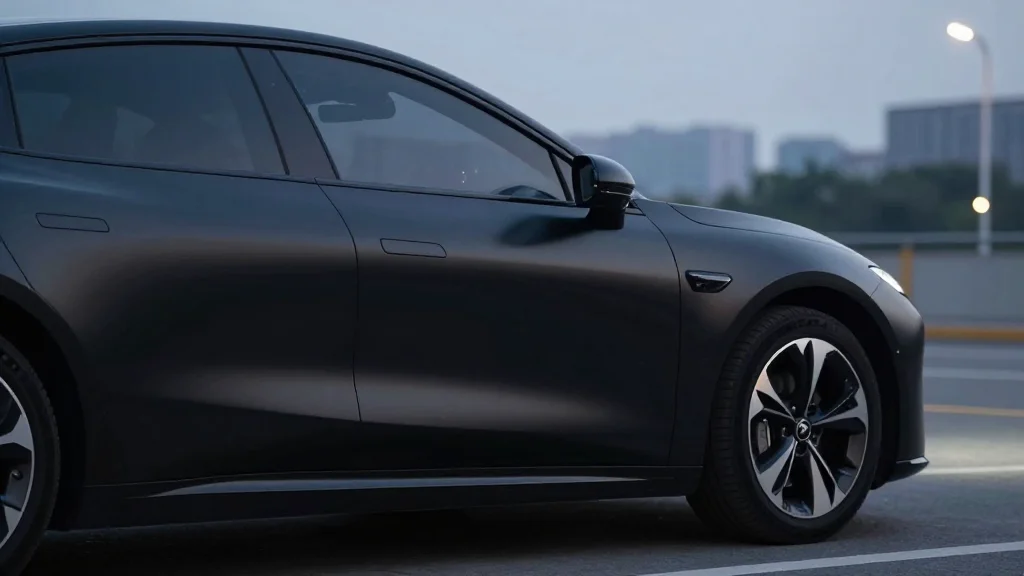
Waymo Ramps up Robotaxi Production as Tesla Expands Unsupervised Service in Austin

Companies Mentioned
Why It Matters
The rapid scaling of robotaxi fleets signals that autonomous mobility is moving from experimental pilots to a core component of urban transportation. Waymo’s commitment to mass‑produce the Ojai demonstrates confidence in the technology’s reliability and its potential to integrate with energy grids, as highlighted by its battery‑storage partnership. Tesla’s unsupervised service, meanwhile, pushes the envelope on regulatory tolerance and public perception of safety. Together, these developments will shape city planning, emissions targets, and the competitive landscape for mobility‑as‑a‑service providers. If regulators respond with stricter safety standards, firms that can prove lower incident rates—currently Waymo—may secure preferential access to high‑density corridors. Conversely, Tesla’s aggressive market push could force faster policy adaptations, potentially accelerating the overall adoption timeline for driverless rides. The outcome will influence investment flows, talent recruitment, and the pace at which autonomous vehicles replace conventional taxis and rideshare services.
Key Takeaways
- •Waymo plans to produce tens of thousands of Ojai robotaxis annually at its Mesa, AZ factory.
- •Tesla’s unsupervised robotaxi service now covers the entire Austin metro area with ~50 vehicles.
- •Waymo’s U.S. fleet exceeds 3,800 vehicles; Tesla’s Texas fleet is about 50 vehicles.
- •Accident rates: Tesla ~1 per 100,000‑120,000 miles; Waymo ~1 per 150,000‑175,000 miles.
- •Goldman analysts project robotaxi deployments will shift from pilots to scaling across major U.S. cities.
Pulse Analysis
Waymo’s production strategy reflects a classic economies‑of‑scale play: by locking in a high‑volume manufacturing line, the company can amortize R&D costs across a larger fleet, lower per‑unit pricing, and accelerate deployment in new markets. The Ojai’s design—spacious, accessible, and built on a proven 6th‑generation driver—addresses both rider experience and regulatory concerns about safety in diverse weather conditions. Waymo’s partnership with B2U Storage to repurpose retired EV batteries also positions the firm as a sustainability leader, potentially unlocking green‑finance incentives.
Tesla, by contrast, is leveraging its massive brand and software expertise to push a more aggressive timeline. Elon Musk’s public commitment to “unsupervised” operation signals confidence but also invites heightened regulatory scrutiny, especially given the higher incident frequency reported. The company’s reliance on incremental software updates to improve Full Self‑Driving (FSD) may yield rapid feature rollouts, but the lack of a dedicated hardware platform like Waymo’s Ojai could limit long‑term scalability and safety validation.
The competitive dynamic is now less about who can first launch a robotaxi and more about who can sustain growth under tightening safety standards. Cities will likely grant permits to operators that demonstrate statistically superior safety records, making Waymo’s lower accident rate a tangible advantage. Meanwhile, Tesla’s larger capital base and aggressive market push could force regulators to adapt faster, potentially creating a fragmented regulatory environment where different cities adopt divergent standards. Investors should watch for policy shifts, fleet utilization metrics, and the rollout speed of Waymo’s production line as key indicators of which model will dominate the emerging autonomous mobility market.
Waymo ramps up robotaxi production as Tesla expands unsupervised service in Austin
Comments
Want to join the conversation?
Loading comments...