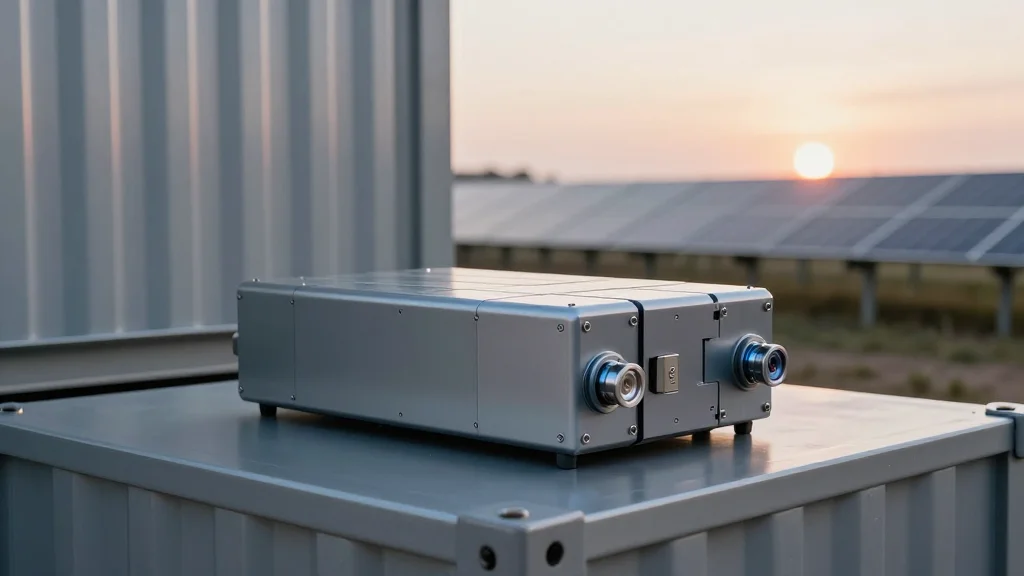
Waymo Repurposes Retired Robotaxi Batteries for Grid Storage in Texas and California

Companies Mentioned
Why It Matters
The repurposing of Waymo’s robotaxi batteries addresses two pressing challenges: extending the useful life of high‑cost lithium‑ion packs and providing clean, fast‑response power to grids stressed by renewable intermittency. By turning a mobility by‑product into a grid asset, Waymo not only improves its environmental footprint but also creates a new revenue stream that could offset operating costs for its autonomous‑vehicle business. If the pilot proves economically viable, the model could accelerate the circular‑economy transition for electric vehicle manufacturers and fleet operators worldwide. Utilities would gain access to distributed storage without the capital expense of new battery builds, while autonomous‑vehicle firms could monetize assets that would otherwise be written off, potentially reshaping the financial calculus of driverless‑car deployments.
Key Takeaways
- •Waymo partners with B2U Storage to deploy hundreds of MW of second‑life battery storage
- •Targeted grids: Texas and California, focusing on major cities like LA, Houston, Dallas
- •Adam Lenz, Waymo’s Head of Sustainability, highlighted the circular‑economy opportunity
- •B2U describes the storage systems as a "vital reservoir" for solar surplus
- •Pilot rollout begins Q3 2026 with full deployment expected in 2027
Pulse Analysis
Waymo’s battery‑reuse strategy marks a strategic pivot from pure mobility to integrated energy services. Historically, autonomous‑vehicle firms have struggled to monetize assets beyond fare revenue, leaving large capital expenditures on battery packs underutilized after a vehicle’s service life. By entering the energy‑storage market, Waymo leverages its existing hardware and data infrastructure to capture ancillary value, a move that could improve unit economics and attract ESG‑focused investors.
The partnership also signals a broader industry convergence where mobility and energy sectors collaborate to solve grid reliability challenges. As utilities grapple with the "duck curve" created by solar generation, distributed storage from retired EV batteries offers a low‑cost, rapidly deployable solution. However, the success of Waymo’s initiative will hinge on technical factors such as battery degradation, control‑system integration, and regulatory approvals for grid interconnection. Should these hurdles be cleared, the model could be replicated by other autonomous fleets—ranging from delivery robots to ride‑hailing services—potentially unlocking gigawatts of latent storage capacity.
In the longer term, the initiative could influence policy, prompting regulators to create incentives for second‑life battery use and to standardize interconnection standards for mobile‑origin storage. If Waymo demonstrates that autonomous‑vehicle batteries can reliably support grid operations, it may accelerate legislative action that treats retired EV packs as a public utility resource, further blurring the line between transportation and energy infrastructure.
Waymo Repurposes Retired Robotaxi Batteries for Grid Storage in Texas and California
Comments
Want to join the conversation?
Loading comments...