Waymo Robotaxi Leaves Passenger Luggage Behind as California Eyes Ticketing Rules

Companies Mentioned
Why It Matters
The incident underscores the practical challenges of scaling robotaxi services: hardware glitches, user‑interface failures, and unclear liability can erode consumer trust even as fleets grow. Simultaneously, California’s new ticketing framework could set a national precedent for how autonomous‑vehicle operators are held accountable, shifting the focus from fines to data‑driven oversight. Together, these developments highlight the need for robust operational safeguards and clear regulatory pathways before robotaxis become a mainstream transportation option. Moreover, the concentration of capital in a few dominant players means that any high‑profile mishap can reverberate across the entire sector, influencing investor sentiment and prompting tighter scrutiny from policymakers. The way Waymo and regulators respond will shape the narrative around safety, responsibility, and the commercial viability of autonomous mobility.
Key Takeaways
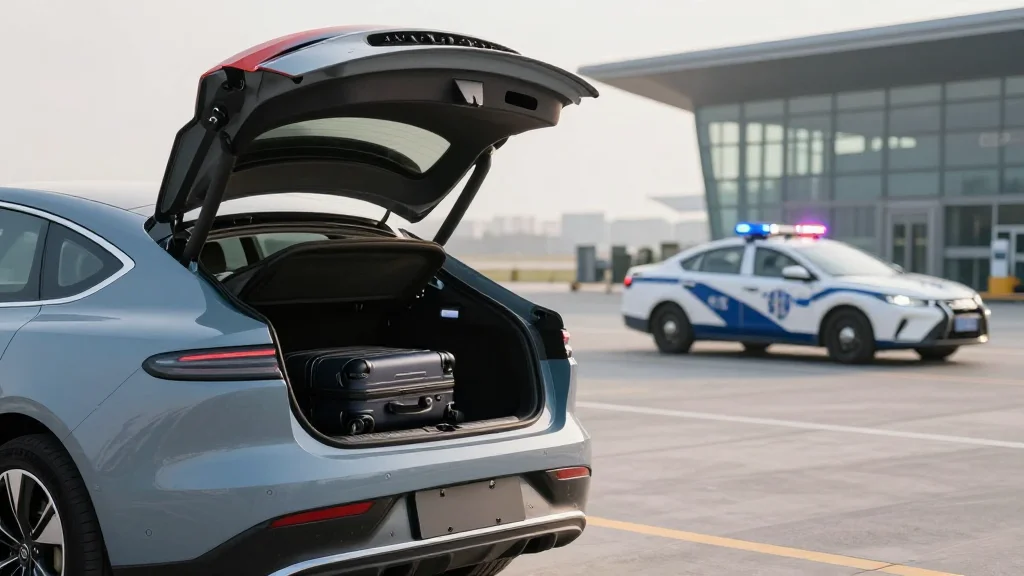
- •Waymo robotaxi drove off from San Jose Airport with passenger Di Jin’s luggage still in the trunk.
- •Waymo offered paid shipping or two free rides for luggage retrieval, refusing to cover courier costs.
- •California DMV’s new rule allows police to issue citations to autonomous vehicles and requires 72‑hour violation reporting.
- •The rule replaces disengagement reports with “dynamic driving task performance relevant system failure” metrics.
- •Waymo operates in 11 cities, delivering ~500,000 rides per week, and recently raised $16 billion.
Pulse Analysis
Waymo’s mishap is a reminder that the user experience of autonomous fleets hinges on flawless integration of hardware, software, and customer service. While the company’s technology can navigate complex urban environments, a simple failure in the trunk‑release mechanism can generate a PR crisis that dwarfs any headline‑grabbing safety statistic. The incident also reveals a gap in the current liability model: without clear statutory obligations for lost or damaged passenger property, companies can default to minimal remediation, risking brand erosion.
California’s ticketing rule represents a pragmatic, if modest, step toward regulatory oversight. By mandating rapid reporting of violations, the DMV creates a data trail that can be analyzed for systemic issues, potentially prompting corrective actions before accidents occur. However, the absence of monetary penalties may limit the rule’s deterrent effect, especially for well‑capitalized operators who can absorb non‑financial sanctions. Future legislative tweaks—perhaps introducing tiered fines based on violation severity—could sharpen the enforcement toolkit.
Finally, the concentration of funding in a handful of AV firms amplifies the stakes of each operational slip. Waymo’s $16 billion raise signals investor confidence, yet it also means that a single high‑profile failure can sway market sentiment across the entire autonomous‑mobility ecosystem. As the industry matures, we can expect tighter alignment between technical reliability, customer‑centric policies, and regulatory frameworks. The Waymo incident, paired with California’s emerging ticketing regime, may well become a case study in how the sector balances rapid deployment with the need for accountable, consumer‑friendly service.
Waymo robotaxi leaves passenger luggage behind as California eyes ticketing rules
Comments
Want to join the conversation?
Loading comments...