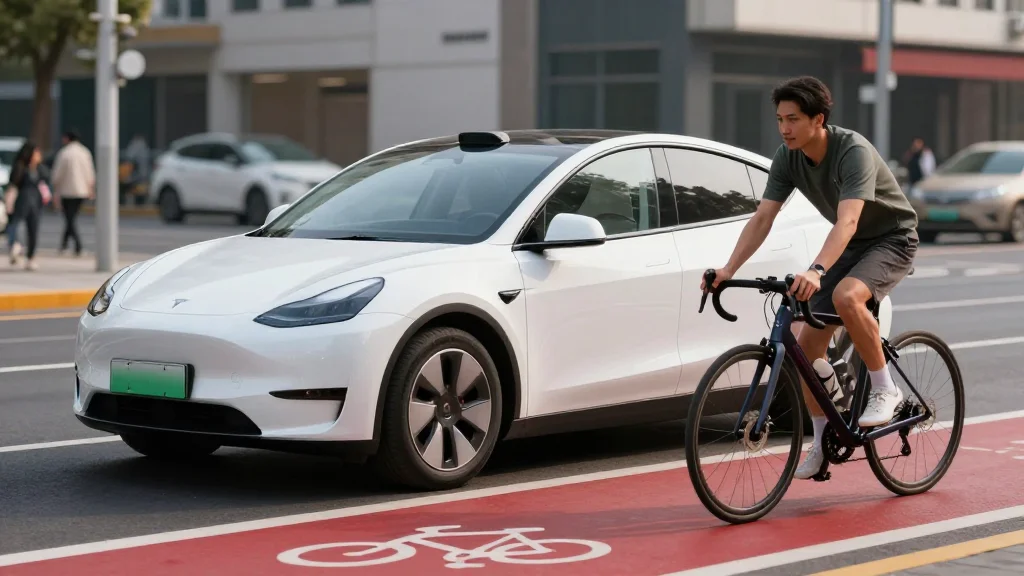
Waymo Says Avoiding Bike Lanes Is Unrealistic as Customers Demand Drop‑offs There

Companies Mentioned
Why It Matters
The dispute spotlights a fundamental tension in the autonomy sector: the need to deliver seamless, on‑demand mobility while adhering to existing traffic laws designed for human drivers. If autonomous fleets routinely enter bike lanes for passenger convenience, cities may face pressure to amend road‑use regulations, potentially weakening protections for vulnerable road users. The legal exposure highlighted by the San Francisco lawsuit also signals that manufacturers could face costly litigation if programmed behaviors are deemed unsafe or illegal. Beyond Waymo, the issue could ripple across the industry, influencing how other players—such as Cruise, Aurora and Tesla—design drop‑off algorithms. Regulators may demand transparent reporting of lane‑usage policies, and insurers could adjust premiums based on the frequency of such incidents. The outcome will shape public perception of autonomous vehicles and could either accelerate or stall broader deployment in dense urban environments.
Key Takeaways
- •Waymo told cyclists that avoiding bike lanes is "too high a bar" because riders expect drop‑offs there.
- •San Francisco cyclist Jenifer Hanki sued Waymo, alleging a vehicle blocked a bike lane and a passenger’s door caused a severe crash.
- •Waymo’s London pilot moves toward fully driver‑less service later this year, pending UK regulatory approval.
- •Cyclist groups argue the practice violates the Highway Code, which restricts driving or parking in marked bike lanes.
- •The case may force autonomous‑vehicle firms to redesign routing software or seek new legislative allowances.
Pulse Analysis
Waymo’s admission that its robo‑taxis will deliberately enter bike lanes to meet passenger expectations is a watershed moment for the autonomy industry’s relationship with municipal traffic policy. Historically, autonomous‑vehicle developers have emphasized compliance with existing road rules as a selling point, positioning safety as a competitive advantage over human drivers. By openly acknowledging a willingness to breach those rules, Waymo is effectively challenging the status quo and forcing regulators to confront a new reality where software, not human judgment, dictates lane usage.
If cities respond by tightening enforcement or mandating software constraints, Waymo could see a slowdown in its rollout timelines, especially in markets where cyclist advocacy is strong. Conversely, if legislators accommodate the practice—perhaps by creating designated “AV drop‑off zones” within bike lanes—the industry could unlock a smoother, more convenient passenger experience, but at the cost of eroding cyclist protections. The legal fallout from the Hanki lawsuit will likely serve as a bellwether: a verdict favoring the cyclist could compel all autonomous providers to redesign their exit strategies, while a dismissal might embolden firms to push the envelope further.
Strategically, Waymo’s stance may be a calculated risk to differentiate its service in a crowded market. By prioritizing rider convenience, it aims to boost utilization rates and customer satisfaction, crucial metrics as the company competes with Cruise, Aurora and emerging Chinese players. However, the trade‑off is heightened scrutiny from safety watchdogs and potential reputational damage if accidents continue to occur. The next few months will reveal whether Waymo can reconcile its operational model with public safety expectations, setting a precedent that will shape the trajectory of driverless mobility worldwide.
Waymo says avoiding bike lanes is unrealistic as customers demand drop‑offs there
Comments
Want to join the conversation?
Loading comments...