Waymo’s Atlanta Robotaxi Jam Revives San Francisco Blackout Concerns

Companies Mentioned
Why It Matters
The two incidents illustrate that autonomous vehicle operators cannot rely solely on external traffic infrastructure. When signals fail, the safety of driverless fleets hinges on robust perception algorithms and contingency protocols. A failure to navigate such scenarios not only disrupts traffic but also erodes public trust, a critical factor for scaling robotaxi services. Regulators are likely to tighten oversight, demanding proof that autonomous systems can handle signal‑free intersections without human intervention. The outcome will shape licensing decisions, insurance premiums, and the speed at which cities adopt driverless ride‑hailing. Waymo’s response will set a benchmark for the industry’s ability to address operational edge cases.
Key Takeaways
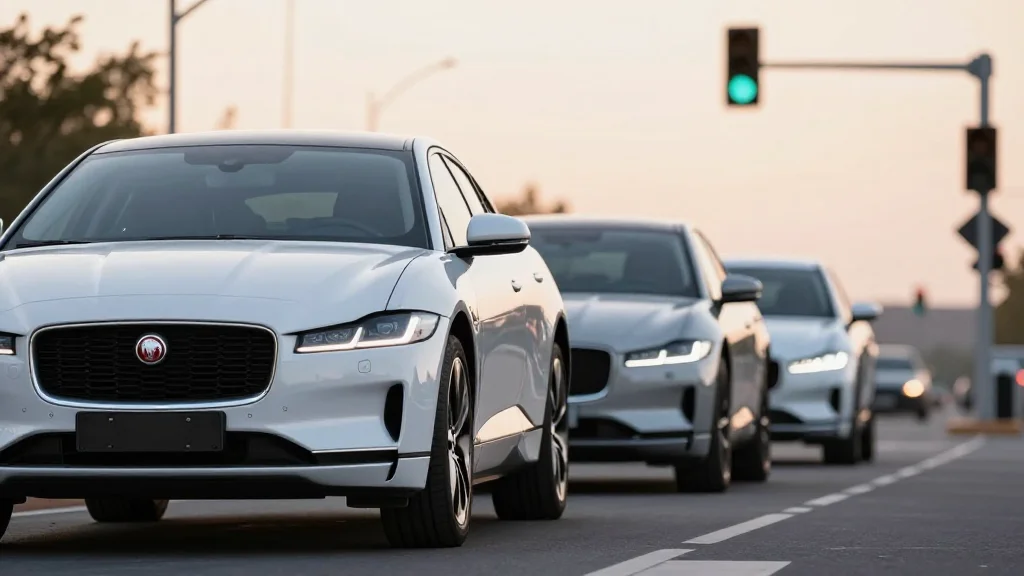
- •Three Waymo Jaguar I‑PACE robotaxis blocked a three‑lane street in Atlanta over the weekend.
- •The blockage occurred at an intersection with a flashing red traffic light, mirroring a December blackout in San Francisco.
- •Waymo’s service area in Atlanta covers 65 square miles and operates in partnership with Uber.
- •Waymo previously claimed it could navigate inoperable signals, but video evidence contradicts that claim.
- •Regulators may require additional safety safeguards for autonomous fleets after these incidents.
Pulse Analysis
Waymo’s recent operational hiccups expose a structural vulnerability in the current generation of autonomous driving stacks: dependence on external traffic‑control cues. While Waymo’s high‑definition maps and lidar suites provide a detailed picture of the road, they still rely on real‑time signal data to make right‑of‑way decisions. When that data disappears, the vehicle must fall back on a set of rules that, as the videos show, are not yet reliable enough for public streets.
Historically, Waymo has positioned itself as the industry’s safety leader, leveraging years of data from its Phoenix and Mountain View pilots. However, the San Francisco blackout and the Atlanta jam suggest that scaling to dense, signal‑rich urban environments introduces new failure modes. Competitors like Cruise, backed by General Motors, are pursuing a different approach by integrating more on‑board decision‑making that does not depend on traffic‑light communication. If Waymo cannot close this gap quickly, it risks ceding market share in key metros where Uber’s partnership gives it a foothold.
Looking ahead, the company’s next move will likely involve a software patch that enhances intersection‑handling logic, possibly incorporating redundant visual detection of stop signs and road markings. Moreover, Waymo may need to negotiate with city planners to install dedicated infrastructure—such as dedicated lanes or signal‑override systems—that can guarantee a minimum level of reliability. The ability to demonstrate a robust solution will be pivotal not only for retaining its current rider base but also for winning new contracts with municipalities that are increasingly cautious about granting autonomous‑vehicle permits.
Waymo’s Atlanta robotaxi jam revives San Francisco blackout concerns
Comments
Want to join the conversation?
Loading comments...