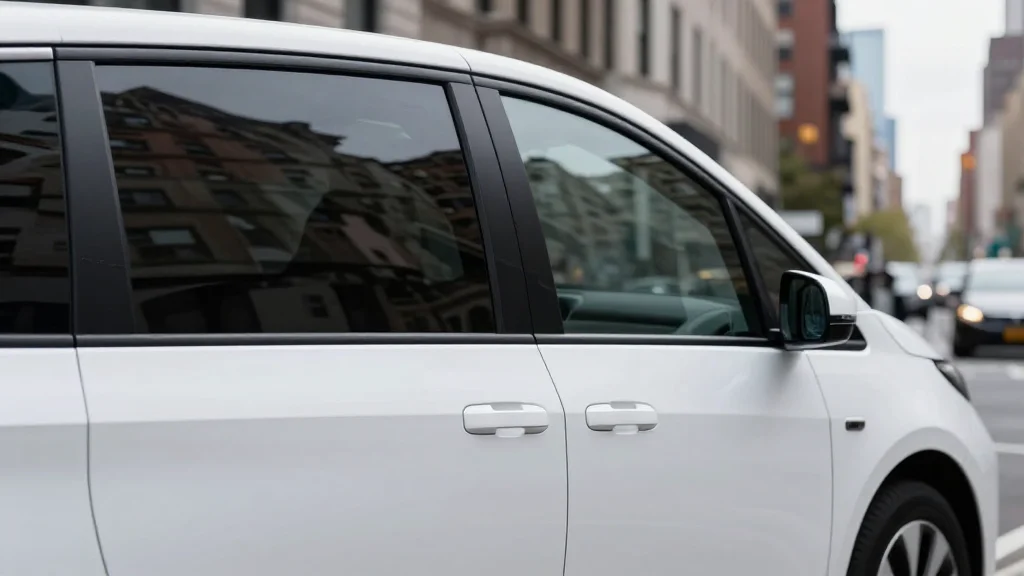
Waymo’s NYC Robotaxi Permits Expire, Halting Tests in the City

Companies Mentioned
Why It Matters
The termination of Waymo’s New York pilot highlights the regulatory volatility that autonomous‑vehicle companies face when entering densely populated, politically sensitive markets. Without clear, sustained permission from city agencies, firms cannot scale their technology, which slows the overall rollout of safer, more efficient transportation solutions. The episode also signals to investors that policy risk remains a material factor in evaluating autonomous‑mobility ventures. Beyond Waymo, the incident may influence how other cities structure their testing frameworks, potentially prompting stricter permit timelines or more rigorous performance benchmarks. A cautious approach could protect public safety but might also delay the benefits of autonomous technology, such as reduced traffic fatalities and increased mobility for underserved communities.
Key Takeaways
- •Waymo’s two NYC robotaxi testing permits expired on March 31, ending the eight‑car trial.
- •The fleet operated south of 112th Street in Manhattan and in downtown Brooklyn with human safety drivers.
- •Governor Kathy Hochul praised the program before cutting its state funding in February.
- •NYC’s Department of Transportation has not indicated if permits will be renewed or expanded.
- •The setback may shift Waymo’s focus to other cities where regulatory pathways are clearer.
Pulse Analysis
Waymo’s abrupt exit from New York underscores a broader strategic dilemma for autonomous‑vehicle firms: whether to prioritize markets with favorable regulatory climates or to push for entry into high‑profile, high‑density cities despite higher political risk. Historically, early adopters like Waymo have leveraged pilot programs to refine mapping data and sensor stacks, but the New York case shows that even well‑funded pilots can be derailed by budgetary politics. The governor’s reversal on funding suggests that state support for autonomous mobility is still contingent on broader fiscal priorities and public perception of safety.
From a competitive standpoint, the vacuum left by Waymo could be filled by rivals that have cultivated stronger relationships with municipal leaders. Cruise, backed by General Motors, has already secured a testing agreement in Detroit and is courting Chicago, while Zoox, owned by Amazon, is expanding in Los Angeles. If New York eventually reopens its doors, these firms may have a head start, leveraging their existing data sets and local partnerships. Investors should monitor the timeline for any permit renewal, as a swift reinstatement could restore confidence in Waymo’s ability to navigate complex regulatory environments.
Looking forward, the incident may catalyze a shift toward more collaborative regulatory models, where city agencies and autonomous firms co‑design pilot parameters, data‑sharing agreements, and safety metrics. Such frameworks could reduce the likelihood of abrupt permit expirations and provide a clearer path to scaling. For now, Waymo’s next move—whether to reapply, pivot to another market, or double down on existing cities—will be a bellwether for how the industry balances innovation with the realities of urban governance.
Waymo’s NYC Robotaxi Permits Expire, Halting Tests in the City
Comments
Want to join the conversation?
Loading comments...