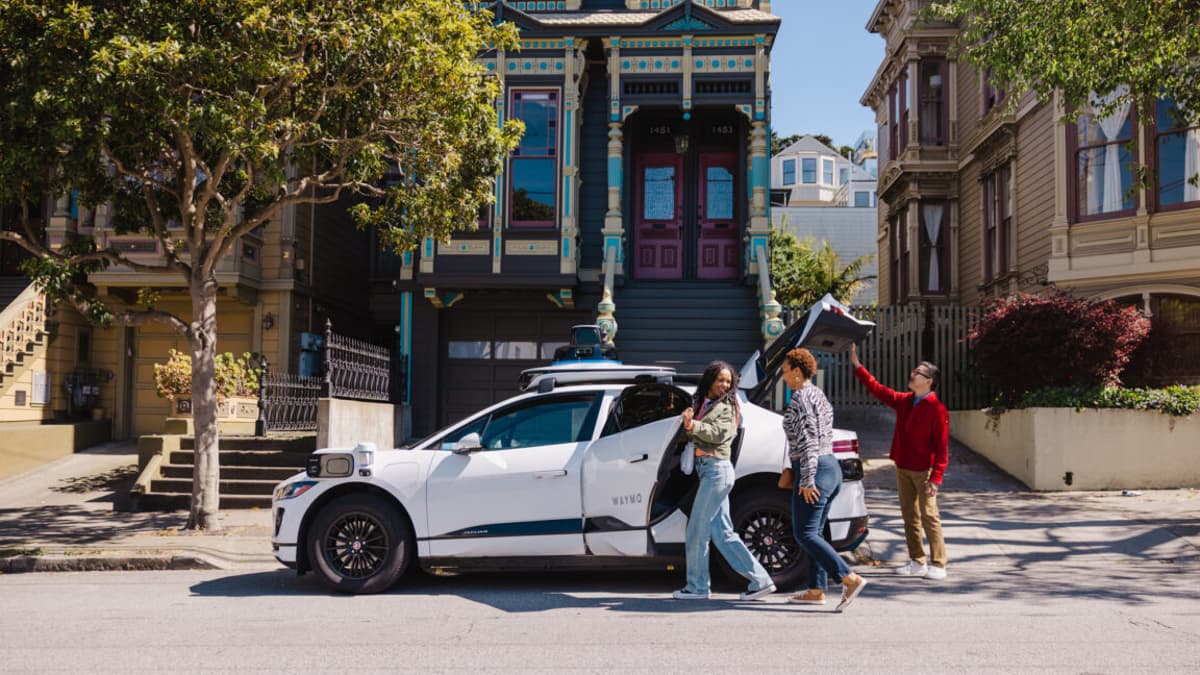
What if Riders Don't Close a Robotaxi Door After a Ride? Try DoorDash.
•February 13, 2026
0
Why It Matters
The partnership directly improves robotaxi uptime while creating a new micro‑task revenue stream for gig workers, highlighting a hybrid human‑machine model in autonomous mobility. It also underscores the operational challenges that still require human solutions despite advanced AI.
Key Takeaways
- •Waymo pilots DoorDash door‑closing service in Atlanta
- •Sixth‑generation driver deployed on Zeekr Ojai minivans
- •Door left ajar stalls robotaxi until human intervenes
- •Program aims to boost fleet uptime and earnings
- •Future Waymo models will feature automated doors
Pulse Analysis
Waymo’s autonomous fleet has become a showcase of sensor sophistication, with its sixth‑generation driver integrating upgraded cameras, lidar, radar, and even microphones that detect sirens. These advances enable the Zeekr Ojai minivan, alongside the Jaguar I‑Pace and Hyundai Ioniq 5, to navigate complex urban environments in Phoenix, San Francisco, and soon more cities. Yet, a seemingly trivial human error—leaving a sliding door open—can immobilize a vehicle, exposing a gap that pure software cannot yet fill.
To bridge that gap, Waymo partnered with DoorDash in an Atlanta pilot that alerts nearby couriers when a robotaxi door remains ajar. Dashers receive a one‑time payment of roughly $11.25 to manually close the door, allowing the autonomous system to resume its route. This micro‑task model leverages the existing gig‑economy workforce, turning idle time into earnings while shaving minutes off vehicle downtime. For Waymo, the initiative translates into higher fleet efficiency, better customer experience, and a tangible data point on how human‑in‑the‑loop solutions can complement autonomous operations.
Looking ahead, Waymo plans to embed automated door‑closing mechanisms in future vehicle platforms, eliminating the need for external assistance. Until that hardware is widely deployed, hybrid solutions like the DoorDash pilot may become a standard operational playbook across the autonomous‑vehicle industry. The approach also signals to regulators and investors that autonomous providers are proactively addressing edge‑case failures, reinforcing confidence in large‑scale robotaxi deployments while preserving flexible gig‑economy opportunities.
What if riders don't close a robotaxi door after a ride? Try DoorDash.
0
Comments
Want to join the conversation?
Loading comments...