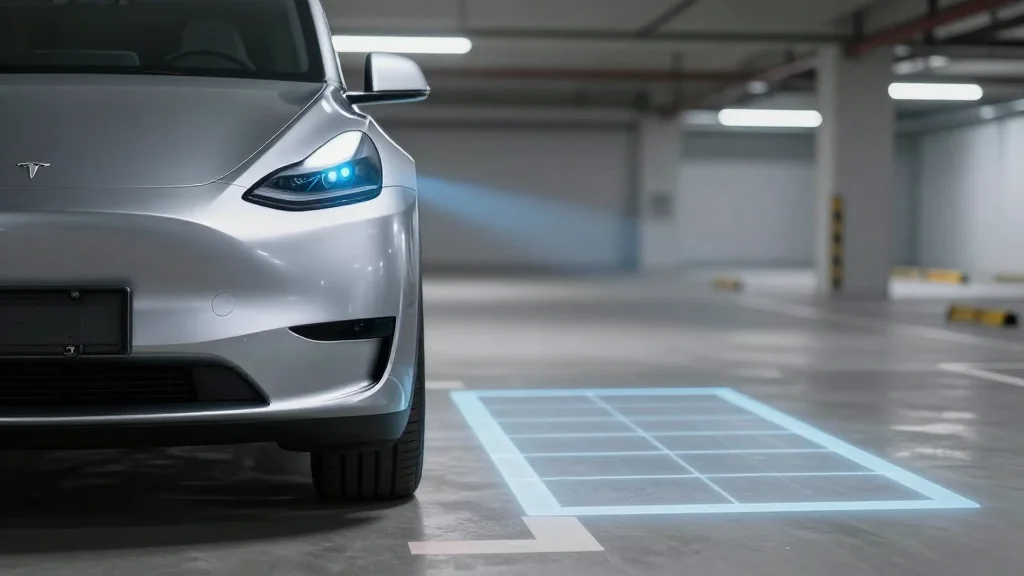
Why Safety Regulators Closed Their Investigation Into Tesla’s Remote Parking Feature
Why It Matters
The decision shows that Tesla’s vision‑only parking automation can meet regulatory thresholds despite isolated incidents, influencing investor confidence and future autonomous‑driving approvals. It also highlights the importance of continuous software improvements to mitigate safety risks.
Key Takeaways
- •Incidents represented less than 1% of Summon sessions
- •Crashes were low‑speed with only minor property damage
- •No injuries, fatalities, or vulnerable‑road‑user incidents reported
- •Camera blockage, especially snow, caused detection failures
- •Tesla issued updates to improve camera‑blockage detection
Pulse Analysis
Tesla’s ‘Actually Smart Summon’ allows owners to command a vehicle to navigate autonomously from a parking space to their location using only the car’s camera suite. Launched in September 2024 as a software‑only upgrade, the feature replaced the earlier Smart Summon that relied on ultrasonic sensors, positioning it as a step toward vision‑based autonomy. The National Highway Traffic Safety Administration (NHTSA) opened a probe in January 2025 after a handful of reported collisions, reflecting heightened regulatory focus on consumer‑facing driver‑assist tools. Understanding the outcome of this investigation is crucial for stakeholders monitoring the rollout of advanced parking automation.
The agency’s final report concluded that incidents occurred in less than one percent of millions of Summon sessions, and all were low‑speed events resulting in minor property damage such as bumped gates or parked cars. Crucially, no injuries, fatalities, or collisions involving vulnerable road users were recorded, and NHTSA stopped short of declaring the system defect‑free, leaving the door open for future action. Technical analysis pointed to limited field‑of‑view from the app‑based camera feed and environmental obstructions—particularly snow—that prevented reliable object detection. Tesla responded with a series of over‑the‑air updates aimed at improving blockage detection and refining perception algorithms.
From a market perspective, the closure of the probe, even without a definitive safety clearance, signals that Tesla’s vision‑first strategy can survive regulatory scrutiny when incident rates remain low. Investors will watch how quickly the software patches reduce residual risk, as any future high‑profile crash could reignite scrutiny and affect the company’s autonomous‑driving narrative. More broadly, the case underscores the need for clearer standards on camera‑only parking automation, prompting other OEMs to evaluate sensor mixes and data‑fusion approaches. As autonomous functionalities expand, regulators are likely to adopt a more data‑driven, incremental oversight model.
Why safety regulators closed their investigation into Tesla’s remote parking feature
Comments
Want to join the conversation?
Loading comments...