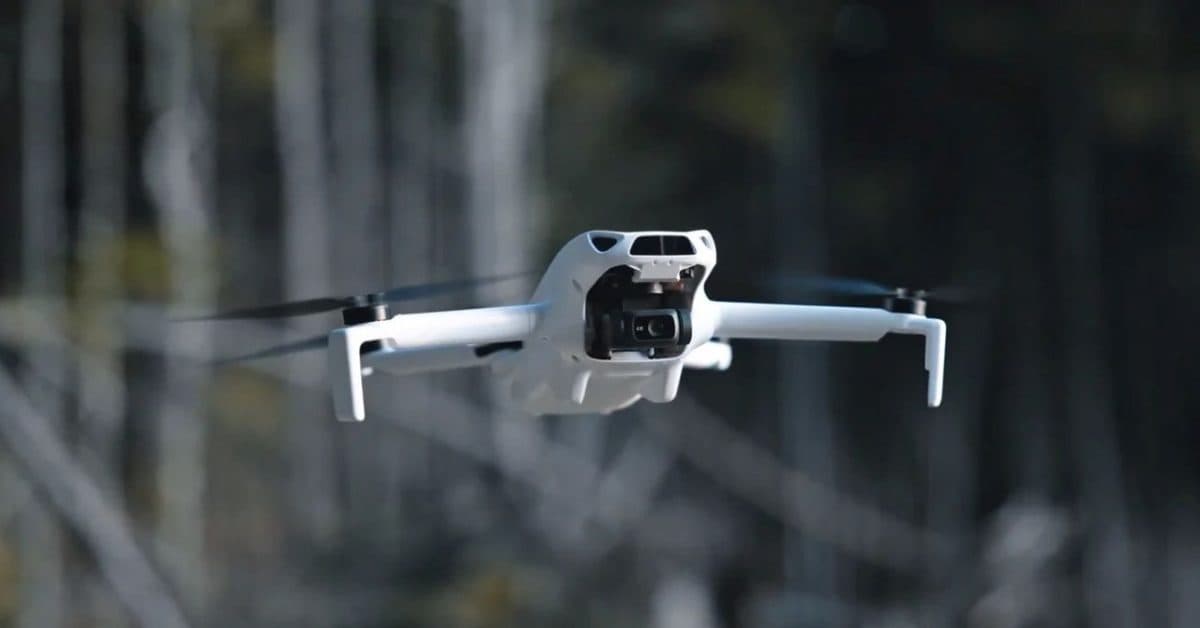
Why This Sub-$300 Drone Might Be Enough for Most Creators
Why It Matters
The price gap narrows the barrier for solo creators, potentially eroding DJI’s market share in the fast‑growing sub‑250 g segment.
Key Takeaways
- •Skyrover S1 offers 48 MP sensor and 40‑minute flight for $289.
- •DJI Mini 4 Pro costs $815, adds omnidirectional obstacle sensing.
- •Skyrover’s AI tracking excels in vertical video framing for TikTok.
- •Both drones stay under FAA 249‑gram limit, easing regulatory compliance.
- •Skyrover’s forward obstacle detection is more forgiving for indoor flights.
Pulse Analysis
The sub‑250 gram drone market has exploded as regulators treat lightweight aircraft as hobbyist devices, eliminating the need for pilot certification in many jurisdictions. DJI has long dominated this space, leveraging its brand and a mature software ecosystem to command premium prices. However, the emergence of lower‑cost competitors like Skyrover signals a shift: manufacturers can now embed high‑resolution sensors, extended battery life, and AI‑driven features without breaking the $300 barrier, expanding the pool of potential buyers.
From a technical standpoint, the Skyrover S1 packs a 1/2‑inch Sony CMOS sensor capable of 48 MP stills and 4K/60 fps video, rivaling the Mini 4 Pro’s imaging core. Its AI‑assisted subject tracking, optimized for vertical framing, directly addresses the workflow of TikTok and Instagram Reel creators who need quick, hands‑free composition. Flight time jumps to roughly 40 minutes, and the drone maintains position within ±0.5 m, a marginal edge over DJI’s ±0.6 m stability. While DJI still offers omnidirectional obstacle sensing and a more polished controller experience, Skyrover’s forward‑facing detection proves more reliable in cramped indoor or urban environments, lowering the entry barrier for novice pilots.
For the industry, the S1’s aggressive pricing and feature set could pressure DJI to accelerate innovation or adjust pricing in the entry segment. Creators now have a viable, budget‑friendly alternative that delivers near‑professional footage, potentially accelerating the adoption of aerial content across smaller brands and individual influencers. As AI tracking and sensor technology continue to democratize, the competitive landscape will likely see more players delivering high‑end capabilities at consumer‑grade prices, reshaping the economics of creator‑focused drone sales.
Why this sub-$300 drone might be enough for most creators
Comments
Want to join the conversation?
Loading comments...