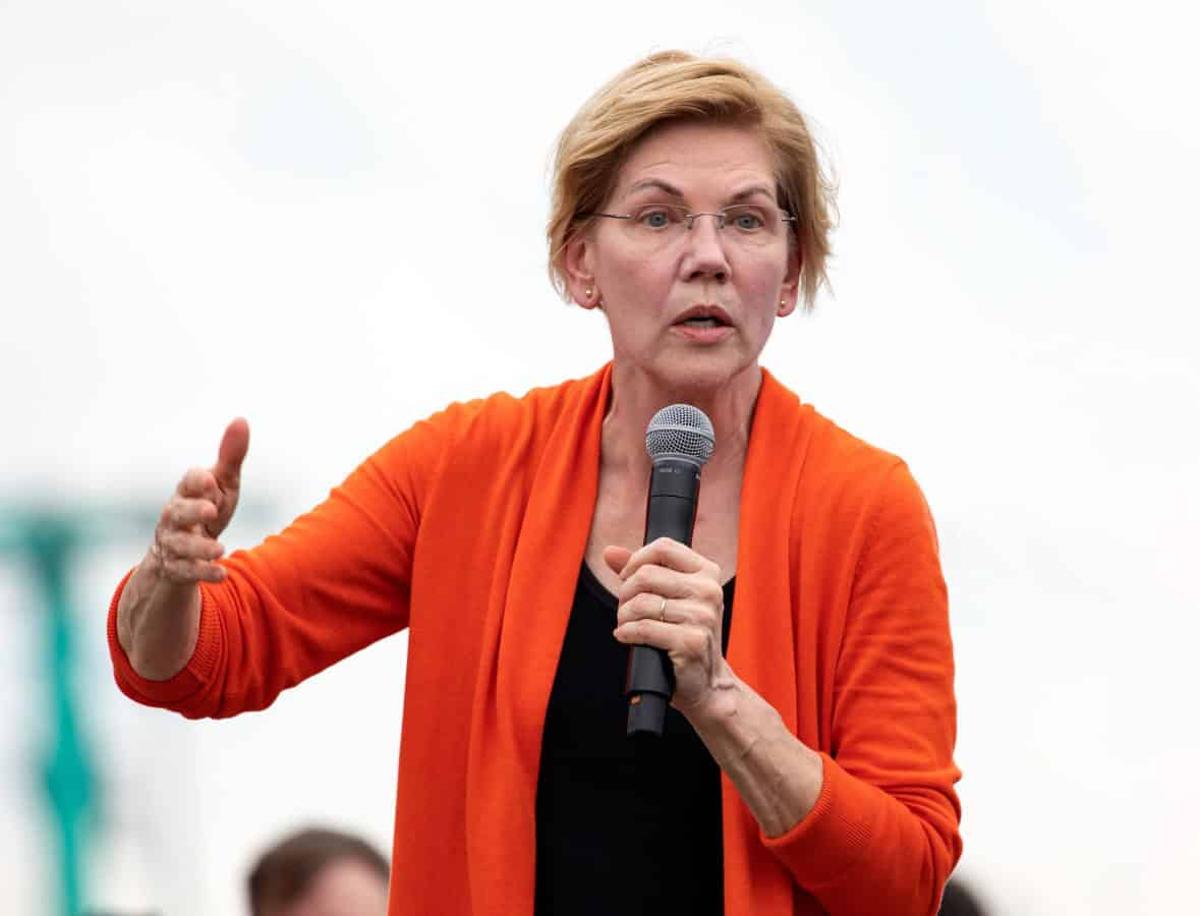
Warren Clashes with Kevin Warsh over Assets and Fed Independence at Heated Senate Hearing
Key Takeaways
- •Warsh holds over $100 million in diverse private investments.
- •Warren demanded detailed conflict‑of‑interest disclosures and a clear divestment timeline.
- •Warsh pledged to divest “virtually all” assets within 90 days of confirmation.
- •Democrats fear the nominee could act as Trump’s “sock puppet” on policy.
- •Republicans argue Warsh’s market experience ensures competent monetary leadership.
Pulse Analysis
The Federal Reserve’s autonomy has become a flashpoint in Washington, with President Donald Trump openly urging lower interest rates to fuel his economic agenda. Senators on both sides of the aisle view the chair’s independence as a barometer for market stability; any perception of political meddling can ripple through bond yields, stock valuations, and global capital flows. Warren’s aggressive opening at the Banking Committee hearing reflects a broader Democratic strategy to safeguard the central bank’s credibility by demanding transparency and a clear break from White House influence.
Warsh entered the hearing with a disclosed portfolio exceeding $100 million, including stakes in high‑profile ventures such as SpaceX and the prediction‑market platform Polymarket. Critics argue that such holdings create potential conflicts, especially when Fed policy can affect the valuation of technology and fintech sectors. While divestiture is routine for senior officials, Warsh’s pledge to shed “virtually all” assets within 90 days raises questions about the speed and completeness of the process. Past nominees have faced similar scrutiny, and the Senate’s ethics rules require a level of detail that Warren deemed insufficient, prompting calls for a more granular timeline and verification mechanism.
The political calculus surrounding Warsh’s confirmation will likely shape market expectations for the next three years of monetary policy. If Democrats withhold support, the administration may need to nominate a less contentious figure, potentially altering the Fed’s policy trajectory. Conversely, a successful confirmation could embolden the White House to press for rate cuts, unsettling inflation‑focused investors. Ultimately, the hearing underscores how personal finance disclosures and perceived loyalty to the president can become decisive factors in the stewardship of the nation’s monetary engine.
Warren clashes with Kevin Warsh over assets and Fed independence at heated Senate hearing
Comments
Want to join the conversation?