Monzo, Revolut and Starling: The Quiet Emergence of Britain’s Banking Champions
Companies Mentioned

Why It Matters
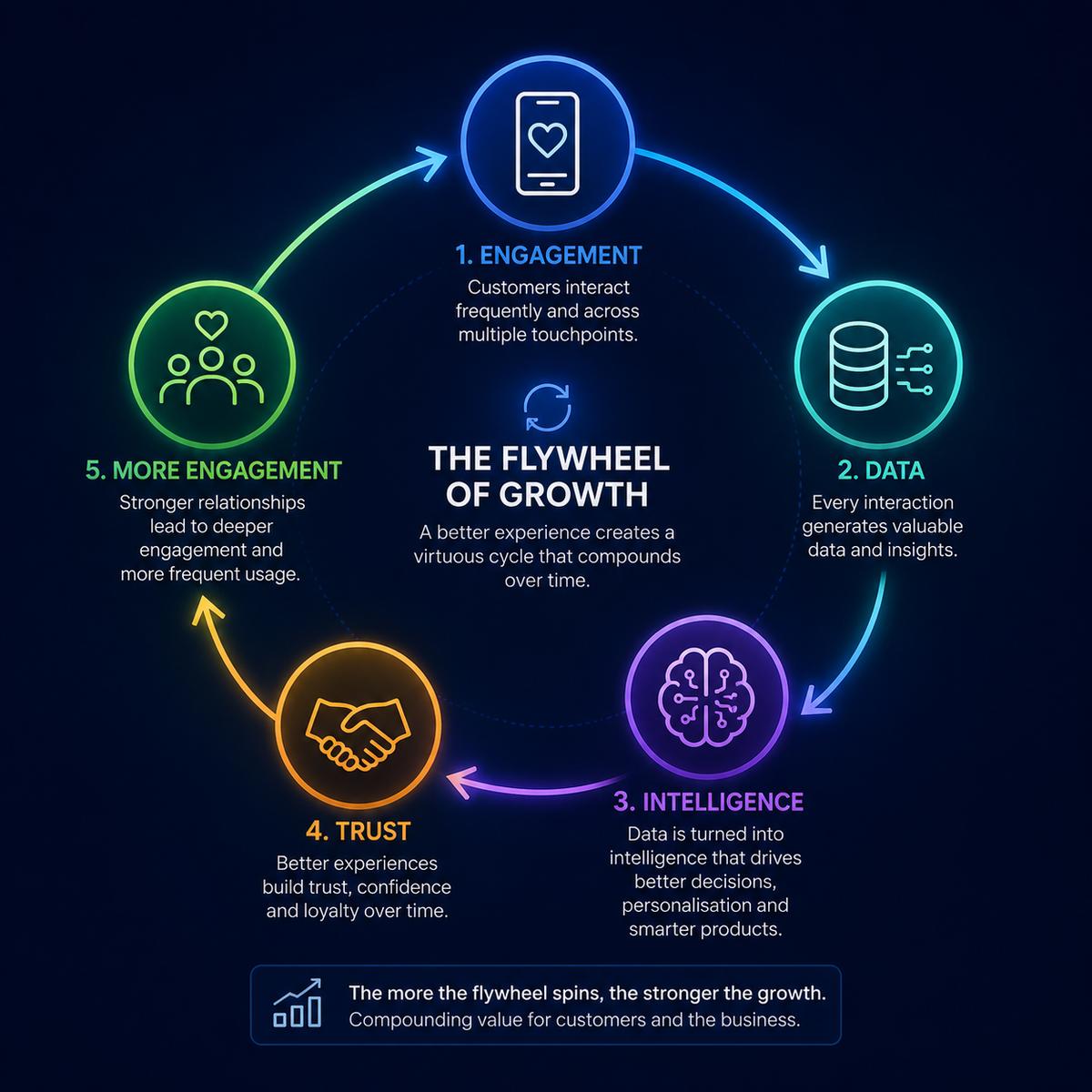
The transition reshapes banking competition, forcing incumbents to compete on engagement, data and ecosystem value rather than traditional balance‑sheet strength.
Key Takeaways
- •Fintechs grew four times faster than traditional banks in 2025.
- •Monzo now serves as primary bank for nearly 50% of its users.
- •Revolut boasts 70 million customers and profits in the billions.
- •Starling licenses its Engine platform to banks worldwide.
- •All three focus on ecosystems, turning banking into a platform business.
Pulse Analysis
The rapid ascent of Britain’s digital banks reflects a broader fintech surge that outpaced legacy institutions in 2025. While traditional banks relied on branch networks and product breadth, challengers leveraged low‑cost software, automation and real‑time data to acquire customers at scale. Monzo’s surge in primary‑account usage, Revolut’s global super‑app footprint, and Starling’s profitable licensing model illustrate how these firms translate technology into sustainable revenue streams, redefining what a bank can look like.
Each challenger follows a differentiated playbook that converges on ecosystem creation. Monzo deepens intimacy by embedding budgeting tools, phone plans and savings features directly into the user’s daily financial life, turning the app into a trusted companion. Revolut expands beyond payments into investments, crypto, travel and lifestyle services, positioning itself as Europe’s first true financial super‑app. Starling, meanwhile, packages its core banking engine as a white‑label solution, enabling other institutions to launch digital‑first offerings without building infrastructure from scratch. These complementary services generate additional touchpoints, increase switching costs and produce rich data that fuels personalized experiences.
For incumbent banks, the message is clear: competitive advantage now hinges on platform thinking and customer engagement. Traditional players must evolve from product‑centric models to ecosystem‑centric strategies, investing in API ecosystems, open‑banking capabilities and seamless user experiences. Failure to do so risks losing the stickiness that once protected them, as consumers increasingly gravitate toward banks that act as holistic financial companions. The next decade will likely see a consolidation of ecosystem leaders, with the most trusted, data‑rich platforms shaping the future of banking in the UK and beyond.
Monzo, Revolut and Starling: the quiet emergence of Britain’s Banking Champions
Comments
Want to join the conversation?
Loading comments...