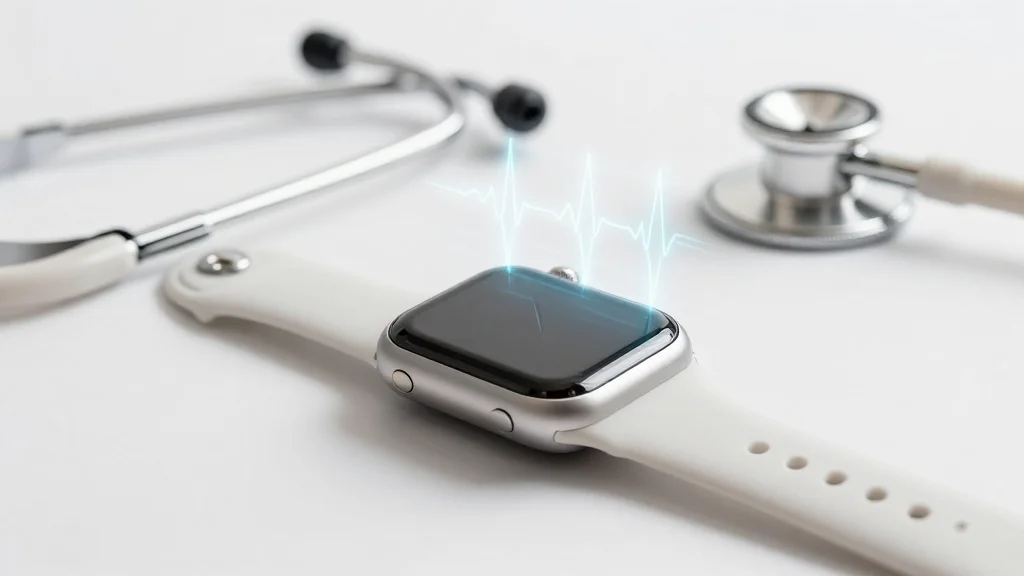
Wearable Health Data Boom Drives Doctors Toward New Big‑Data Analytics

Why It Matters
The influx of wearable‑generated data reshapes how clinicians diagnose, monitor and treat patients. By moving from episodic office visits to continuous, data‑driven care, physicians can catch early signs of cardiac arrhythmias, sleep disorders and metabolic shifts that would otherwise go unnoticed. This shift also pressures health systems to invest in big‑data infrastructure, creating a new market for analytics platforms, cloud services and AI coaching solutions. Moreover, the integration of consumer wearables into clinical workflows democratizes health monitoring, giving patients agency over their own data while challenging providers to develop new standards for data quality, privacy and clinical relevance. The convergence of massive data volumes, AI interpretation and regulatory scrutiny will define the next decade of digital health.
Key Takeaways
- •Wearable market now estimated at $100 bn, driving demand for analytics pipelines.
- •"Data without context is just noise," Dr. Lucy McBride warns about raw streams.
- •Apple Watch settings like Wrist Detection and Sleep Focus improve clinical accuracy.
- •Whoop AI health coach subscription costs $199‑$359 per year, offering real‑time alerts.
- •Oura Ring 4 priced at ₹28,900 (~$350) provides sleep, activity and readiness scores.
Pulse Analysis
The current wave of wearable adoption is less about gadget hype and more about the data infrastructure it forces on the health ecosystem. Historically, clinicians relied on intermittent vitals captured during office visits; now, continuous streams from the wrist or finger create a high‑velocity data lake that must be curated, normalized and linked to patient records. This transition mirrors the early days of electronic health records, where the promise of data accessibility was quickly tempered by integration challenges.
What sets this cycle apart is the convergence of three forces: consumer demand for personalized health insights, AI‑driven coaching that can act on biometric cues in real time, and a regulatory environment that is beginning to recognize remote monitoring as reimbursable care. Companies that can deliver end‑to‑end solutions—sensor firmware, secure cloud ingestion, analytics dashboards and clinical decision support—will capture the lion's share of a market that could eclipse traditional medical device revenues within five years.
However, the rush to monetize wearable data also raises red flags. Privacy concerns, especially around AI coaches that train on aggregated user data, could trigger stricter data‑protection rules. Moreover, the accuracy gaps highlighted by The Conversation—up to 20% error in calorie estimates and variable heart‑rate reliability—mean that clinicians must adopt rigorous validation frameworks before relying on these metrics for diagnosis. The next phase will likely see a bifurcation: high‑confidence signals (e.g., arrhythmia detection) become standard of care, while lower‑fidelity metrics remain in the realm of wellness advice. Stakeholders that navigate this split wisely will shape the future of big‑data health analytics.
Wearable Health Data Boom Drives Doctors Toward New Big‑Data Analytics
Comments
Want to join the conversation?
Loading comments...