Key Takeaways
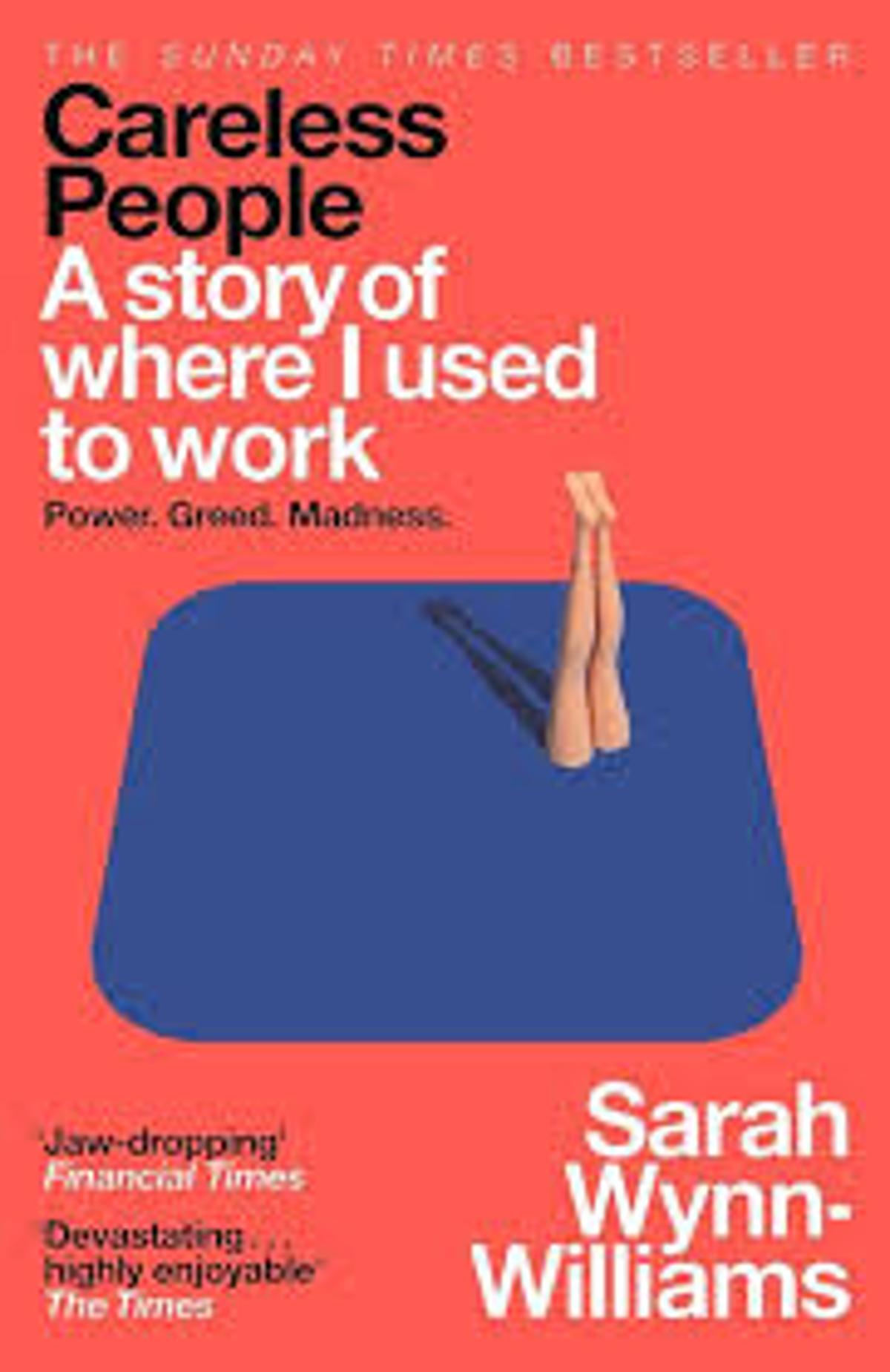
- •Ex‑Meta policy chief exposes toxic culture in *Careless People*.
- •Meta’s attempt to block the book amplified its sales.
- •*Hooked* reflects early influencer era and Japanese gender norms.
- •*Ordinary Human Failings* explores generational trauma in 1990s London.
Pulse Analysis
The release of *Careless People* adds a powerful new voice to the growing genre of tech memoirs. Wynn‑Williams, who spent six years shaping Meta’s global public policy, details how internal decision‑making clashed with the company’s public narrative of connection and empowerment. Her account of Mark Zuckerberg’s awkward diplomatic encounters and Sheryl Sandberg’s contradictory leadership style offers investors and regulators concrete examples of cultural risk within a dominant platform. Meta’s legal pushback, intended to silence the book, triggered a classic Streisand effect, driving sales and reinforcing the market’s appetite for transparency about corporate governance.
*Hooked*, translated by Polly Barton, captures a snapshot of influencer culture before the TikTok boom reshaped digital attention spans. Set against Japan’s rigid gender expectations, the novel follows a career‑driven protagonist obsessed with a self‑styled “lazy housewife” blogger, highlighting the paradox of authenticity in early social media. For marketers and cultural analysts, the book illustrates how early blog ecosystems cultivated a performative intimacy that still informs today’s brand‑influencer collaborations. Its commentary on Japanese societal standards also offers Western readers a comparative lens on gendered online personas.
Megan Nolan’s *Ordinary Human Failings* demonstrates why literary fiction remains a vital conduit for exploring systemic trauma. Long‑listed for the Women’s Prize for Fiction, the novel weaves a 1990s London narrative that confronts shame, alcoholism, and the lingering impact of a child’s death on a migrant family. By positioning a tabloid journalist as a catalyst, Nolan critiques media exploitation while delving into intergenerational guilt. The book’s critical acclaim underscores a market trend: readers increasingly seek stories that blend personal hardship with broader social critique, a demand that publishers are keen to meet.
Books I Read in March 2026
Comments
Want to join the conversation?