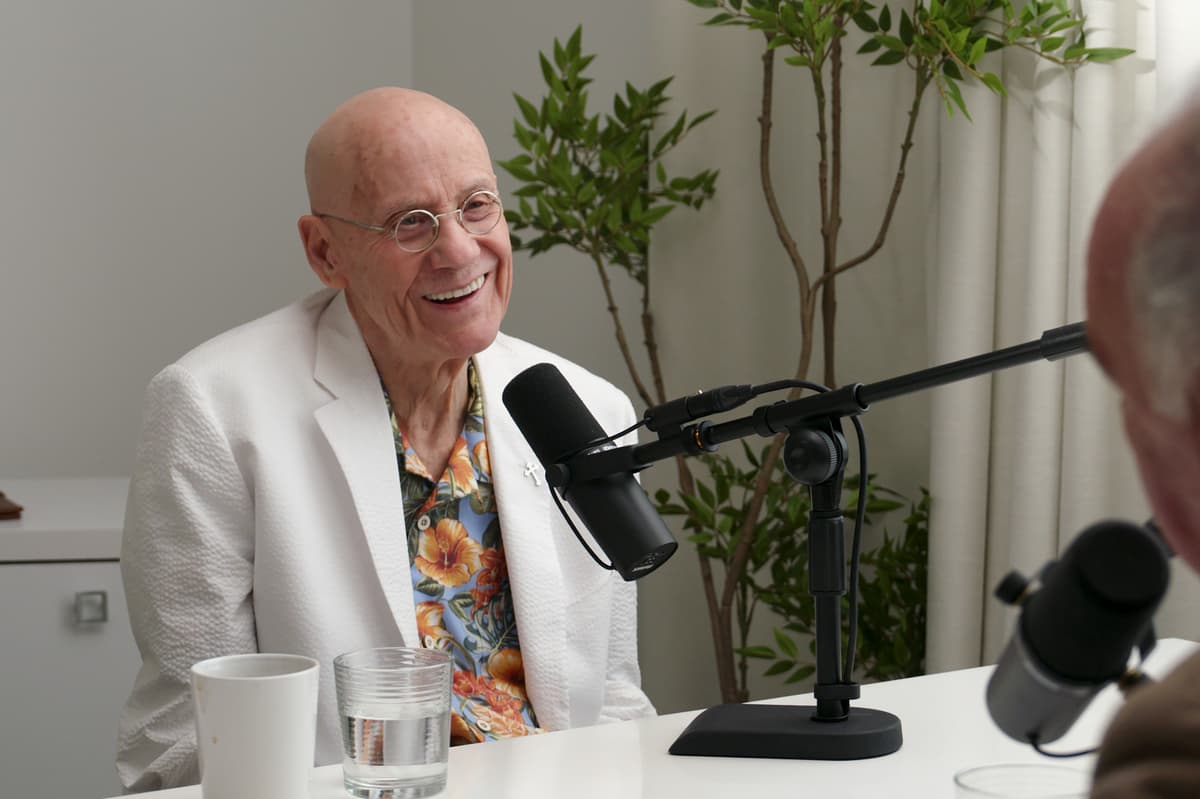
James Ellroy’s L.A. Is Dead — But Not The Crimes: ‘It Feels Un-Glamorized’
Key Takeaways
- •Ellroy releases 'Red Sheet', fourth in his L.A. crime quartet
- •Novel set 1962, explores Cold War paranoia and LAPD corruption
- •Ellroy's gritty style blends fact with fiction, redefining noir
- •Author now lives in Denver, reflecting on L.A.'s changing landscape
Pulse Analysis
James Ellroy’s *Red Sheet* arrives at a moment when readers crave immersive historical crime sagas that feel both cinematic and authentic. By anchoring the story in the tense aftermath of the Cuban Missile Crisis, Ellroy taps into lingering Cold‑War anxieties while exposing the endemic corruption of 1960s Los Angeles police work. This blend of real‑world events and fictional intrigue not only satisfies longtime fans of his L.A. quartet but also attracts new audiences seeking depth beyond typical thriller formulas.
The novel’s protagonist, Freddie Otash, embodies Ellroy’s signature anti‑hero—cynical, relentless, and morally ambiguous. His investigations into communism and murder mirror the era’s paranoia, offering a lens into how law enforcement intersected with political hysteria. Critics note that Ellroy’s “reckless verisimilitude” blurs fact and fiction, a technique that has redefined modern noir and influenced a wave of writers who prioritize atmospheric realism over strict adherence to historical detail. This approach keeps the genre fresh and commercially viable.
Ellroy’s personal shift from Los Angeles to Denver underscores a broader cultural commentary: the city that once inspired his darkest tales is now perceived as “desaturated.” As urban landscapes evolve, authors like Ellroy become custodians of a mythic past, preserving the gritty essence that fuels popular adaptations—film, television, and streaming series. Publishers are betting on the continued appetite for such narratives, positioning *Red Sheet* as both a literary event and a potential source for future screen projects. The book’s release thus reinforces Ellroy’s status as a pivotal figure shaping the future of crime fiction.
James Ellroy’s L.A. Is Dead — But Not The Crimes: ‘It Feels Un-Glamorized’
Comments
Want to join the conversation?