Key Takeaways
- •Harper captures vanishing rural towns with vivid, oppressive atmosphere
- •Protagonist Ro Crowley’s restrained grief drives the novel’s emotional core
- •Mid‑book pacing slows, with repetitive investigative scenes
- •Mystery resolves quietly, offering a bittersweet rather than shocking climax
- •Fans of mood‑driven crime will appreciate the novel more than thriller seekers
Pulse Analysis
Jane Harper has built a reputation for turning isolated Australian locales into characters in their own right, and *Last One Out* is no exception. Set against the backdrop of Carralon Ridge—a town hollowed out by a declining coal mine—the novel uses dust, silence, and the lingering hum of industry to mirror the residents’ sense of loss. This environmental storytelling aligns with a broader literary‑crime trend where place informs plot, appealing to readers who seek immersive world‑building alongside the mystery.
The narrative centers on Ro Crowley, a former general practitioner haunted by her son’s unsolved disappearance. Harper’s restraint in portraying Ro’s grief avoids melodrama, instead allowing the slow‑burn investigation to unfold through mundane documents and quiet conversations. Economic pressures, such as falling property values and the shuttered general store, are woven seamlessly into the plot, underscoring how financial decline can amplify personal tragedy. Compared with Harper’s tighter, plot‑driven works like *The Dry*, this installment favors a contemplative pace, which some critics argue leads to a meandering middle section.
For the publishing market, *Last One Out* signals that there is still strong demand for atmospheric crime fiction that prioritizes mood over rapid twists. Readers drawn to the novel’s lyrical description of a dying town are likely to gravitate toward similar titles by Harper and peers such as Chris Hammer and Sulari Gentill. As streaming services and audiobooks expand the reach of literary noir, Harper’s nuanced approach may inspire more authors to blend social commentary with mystery, reinforcing the genre’s evolution toward richer, place‑centric narratives.
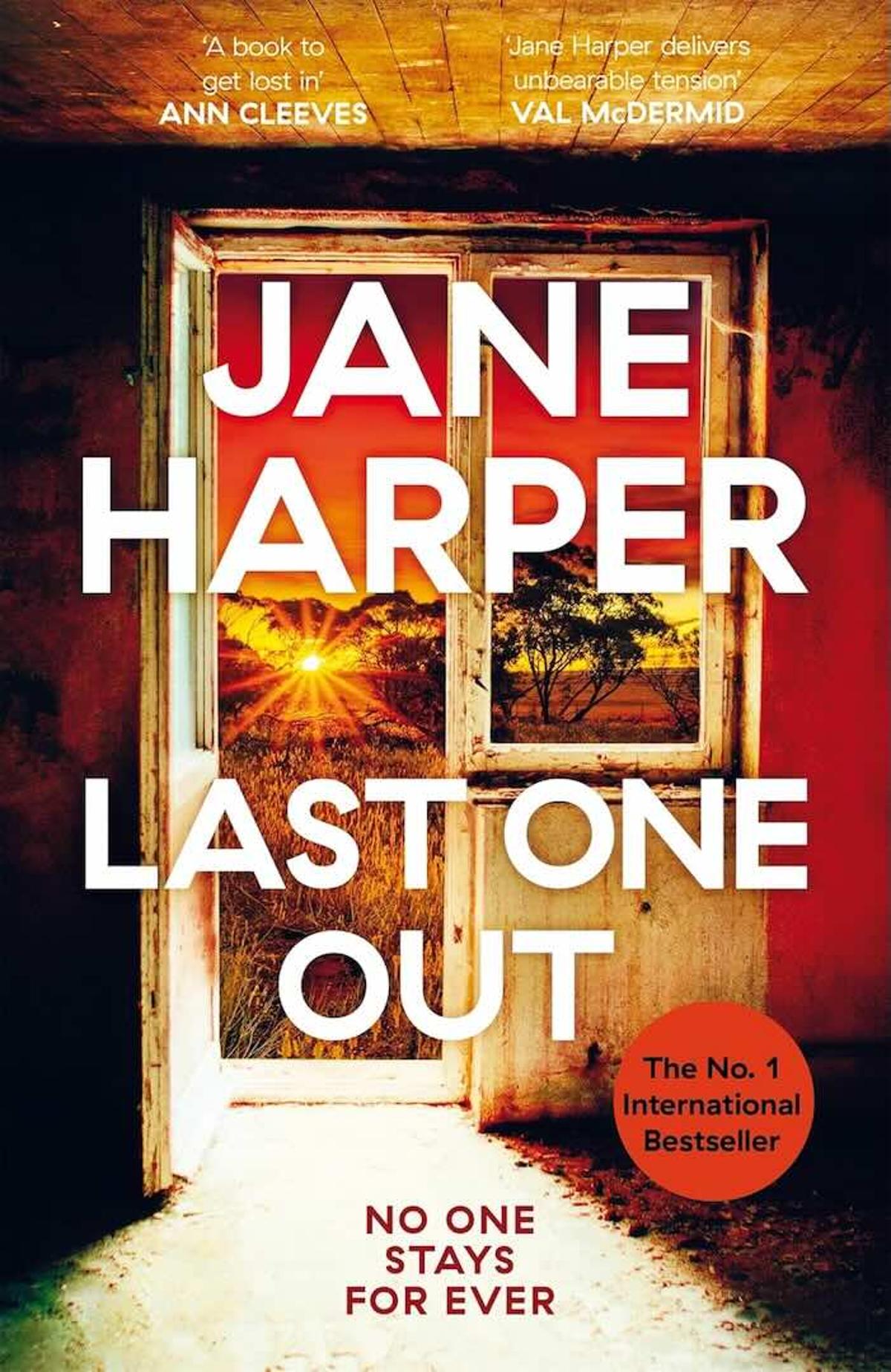
Last One Out by Jane Harper
Comments
Want to join the conversation?