Key Takeaways
- •Phantom Days continues O’Keeffe’s award‑winning non‑human narrator series
- •Published by University of Queensland Press, 168‑page paperback
- •Narrated by a book and a mother’s ashes, exploring memory
- •Previous titles earned NSW Premier’s Literary Award shortlist and Christina Stead Prize
- •Novel’s thematic focus on art, identity, and pandemic isolation
Pulse Analysis
Angela O’Keeffe has carved a distinctive niche in contemporary Australian literature by giving voice to objects and the departed. Her debut, *Night Blue*, let Jackson Pollock’s "Blue Poles" narrate its own creation, earning a NSW Premier’s Literary Award shortlist and a Prime Minister’s Literary Award nod. *The Sitter* followed with the ghost of Hortense Cezanne, winning the 2024 Christina Stead Prize. This trajectory demonstrates how literary awards increasingly recognize experimental storytelling, positioning Australia as a hub for avant‑garde narrative techniques that attract both critical and commercial attention.
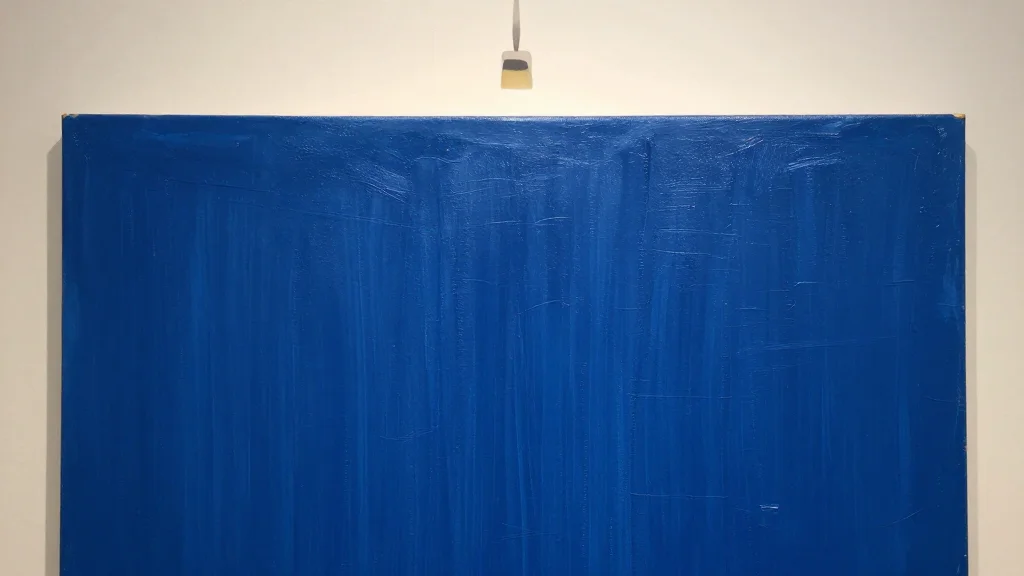
*Phantom Days* pushes the concept further, employing a book and a mother’s ashes as dual narrators. Set against a backdrop of pandemic‑era travel, the novella explores how inanimate objects absorb and relay human experience, from Rothko’s paintings to a phantom pregnancy. Published by University of Queensland Press, the 168‑page work arrives at a time when readers seek immersive, metafictional experiences that blur the line between author and artifact. Early reviews highlight its “hypnotic” quality, suggesting strong word‑of‑mouth potential among literary circles and independent bookstores that champion innovative voices.
The broader publishing landscape is taking note. Experimental titles like O’Keeffe’s are proving that niche literary fiction can generate buzz, award recognition, and modest sales without relying on blockbuster marketing. For publishers, investing in authors who challenge narrative conventions offers a differentiator in a crowded market and opens doors for translation rights, especially in Europe where interest in Australian art‑centric fiction is growing. As literary festivals spotlight such works, *Phantom Days* exemplifies how creative risk can translate into cultural relevance and sustainable revenue streams.
Phantom Days (2026), by Angela O’Keeffe
Comments
Want to join the conversation?