Steven Thrasher’s Impassioned Call to Oust the ‘Overseer Class’
Key Takeaways
- •Thrasher's book argues diverse police hires don't reduce violence
- •He defines 'overseer class' as marginalized individuals upholding oppressive systems
- •The manifesto calls for collective solidarity over token representation
- •Release date May 19, published by Amistad, preorder available
- •Thrasher links academia, military, and politics to overseer dynamics
Pulse Analysis
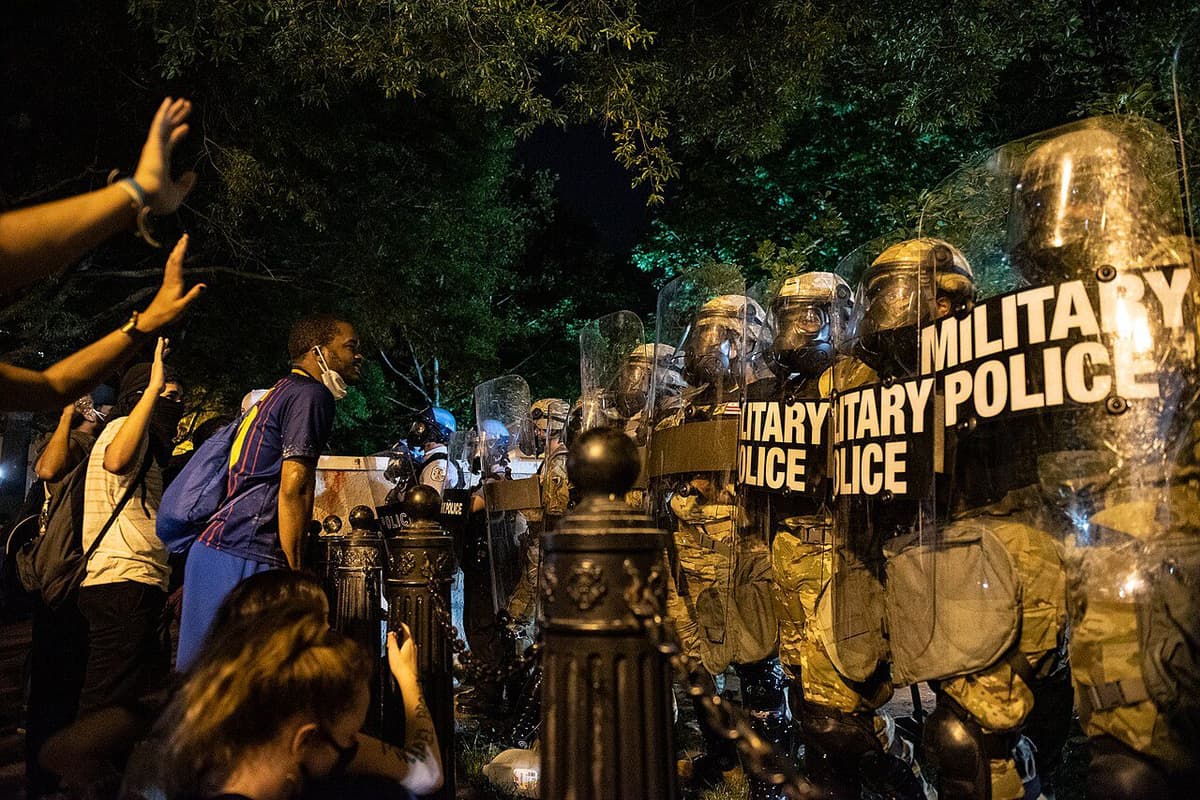
Thrasher’s manifesto arrives at a moment when calls for police reform have shifted from surface‑level diversity to deeper structural overhaul. By tracing his own trajectory—from a hopeful police applicant to a journalist chronicling state violence—he illustrates how the promise of representation can mask a continuity of power. The "overseer class" concept expands beyond law enforcement, identifying a pattern where members of historically oppressed groups occupy gatekeeping roles in academia, the military, and elected office, thereby legitimizing the status quo while diluting grassroots dissent.
The book’s critique resonates with current policy debates about "color‑blind" hiring and identity‑based quotas. Thrasher argues that without confronting the economic and class interests that undergird institutions, diversity initiatives risk becoming a veneer that shields entrenched hierarchies. For city leaders, corporate boards, and university administrators, the work offers a cautionary framework: inclusion metrics alone will not curb police brutality, campus censorship, or militarized decision‑making. Instead, he urges a shift toward collective empowerment that dismantles the incentives for marginalized individuals to act as enforcers of an unjust system.
Beyond its academic heft, *The Overseer Class* is positioned as a cultural touchstone for activists, journalists, and strategists seeking a roadmap for systemic change. Its blend of personal narrative, historical analogy, and sociological theory equips readers to recognize and resist the subtle co‑optation of progressive identities. As the book hits shelves, it may spark renewed dialogue about whether reform can ever be sufficient or whether a more radical reimagining of power structures is required to achieve genuine equity.
Steven Thrasher’s Impassioned Call to Oust the ‘Overseer Class’
Comments
Want to join the conversation?