Key Takeaways
- •Rainy March protects fictional worlds from the erasing Burners.
- •Metafictional reveal that Rainy herself is a fictional character.
- •Romance with the Duke blends detective noir and fantasy romance.
- •Genre‑section structure creates clear but sometimes abrupt tonal shifts.
Pulse Analysis
*The Book Witch* arrives at a moment when readers crave books that acknowledge their own medium. Shaffer builds a premise around a Book Witch tasked with preserving stories from the Burners, a secretive organization that erases books from the inside out. By framing the narrative as Rainy March’s real‑time case files, the novel fuses detective‑style pacing with magical realism, positioning itself alongside genre‑blending titles like Jasper Fforde’s *Thursday Next* series. This hybrid structure taps into a market hungry for stories that reward literary knowledge while delivering a compelling mystery.
The metafictional core—Rainy discovering she is herself a fictional construct—elevates the work beyond a simple fantasy romance. It invites readers to contemplate the relationship between creator and creation, echoing themes in Susanna Clarke’s *Piranesi* and V.E. Schwab’s *The Invisible Life of Addie LaRue*. By weaving references to *Alice in Wonderland*, Arthurian legend, and *The Great Gatsby* into the plot, Shaffer creates a layered reading experience that feels like a love letter to the canon. This self‑aware storytelling resonates with audiences who see reading as a survival tool rather than mere entertainment.
Critically, the novel’s seven‑section genre architecture provides a clear roadmap but occasionally jarring tonal shifts, a trade‑off that some readers may find disruptive. Nonetheless, the chemistry between Rainy and the Duke of Chicago, coupled with witty narration and a loyal cat familiar, delivers emotional payoff. For publishers, *The Book Witch* illustrates the commercial viability of metafictional fantasy that celebrates books themselves, suggesting a fertile niche for future titles that blend genre conventions with literary homage.
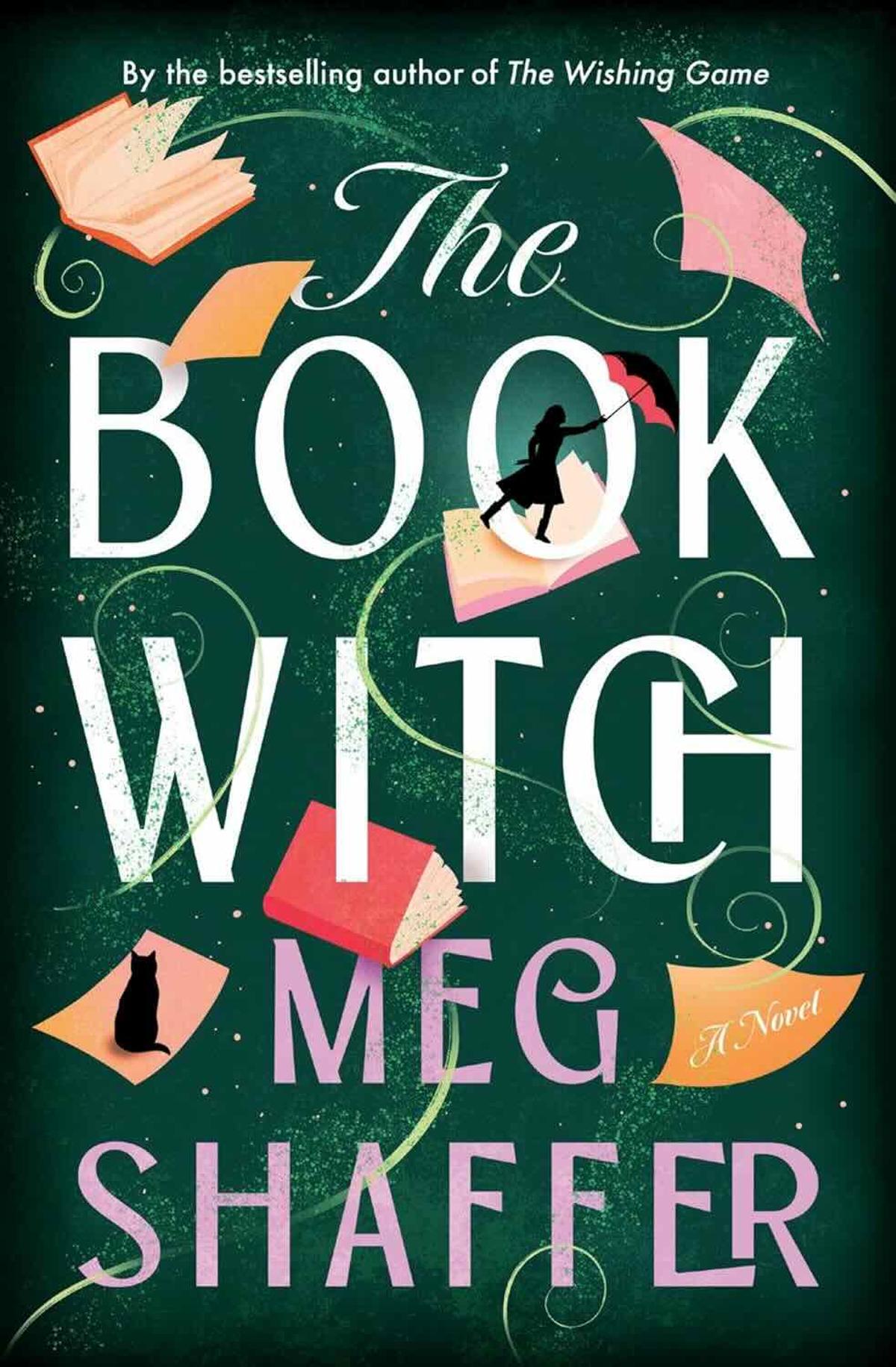
The Book Witch by Meg Shaffer
Comments
Want to join the conversation?