Key Takeaways
- •Stockett returns with a Depression‑era novel set in 1933 Oxford.
- •Narrative follows three women who launch a covert roadside “club.”
- •Villain Garnett Pittman embodies eugenics‑driven social policies of the era.
- •Meg’s child‑voice narration stands out as a literary highlight.
- •Middle pacing drags, and Black characters remain peripheral.
Pulse Analysis
Kathryn Stockett’s debut, *The Help*, set a high commercial bar, and the ten‑year gap before *The Calamity Club* has generated considerable buzz among literary circles and mainstream readers alike. By situating the story in 1933 Oxford, Stockett taps into a fertile vein of Southern historical fiction that blends regional texture with national relevance. The novel’s meticulous world‑building—down to party‑line telephones and Confederate‑uniform tours—offers a tactile sense of place that appeals to both history enthusiasts and fans of character‑driven storytelling, reinforcing her reputation for vivid, locale‑specific prose.
Beyond atmosphere, the book confronts the darker undercurrents of the Great Depression, most notably the eugenics movement that shaped public policy on orphanages and reproductive rights. Through the antagonist Garnett Pittman, Stockett dramatizes how pseudo‑scientific rhetoric justified the sterilization of the poor, a theme that resonates amid today’s debates over bodily autonomy and state intervention. The three protagonists—Meg, Birdie, and Charlie—embody varied forms of female agency, from child‑like subversion to calculated entrepreneurship, illustrating how marginalized women carved out economic niches despite systemic oppression. This thematic layering elevates the novel from a period romance to a commentary on resilience and moral complexity.
From a market perspective, *The Calamity Club* is positioned to capture both Stockett’s established fan base and readers drawn to recent best‑sellers like Kristin Hannah’s *The Four Winds*. Early sales data suggest strong pre‑order numbers, reflecting the appetite for narratives that combine historical depth with accessible, dialogue‑rich storytelling. While critiques note uneven pacing and limited Black perspectives, the book’s humor, sharp dialogue, and socially conscious plotlines are likely to sustain robust paperback and audiobook performance, reinforcing Stockett’s standing as a commercially viable voice in contemporary American literature.
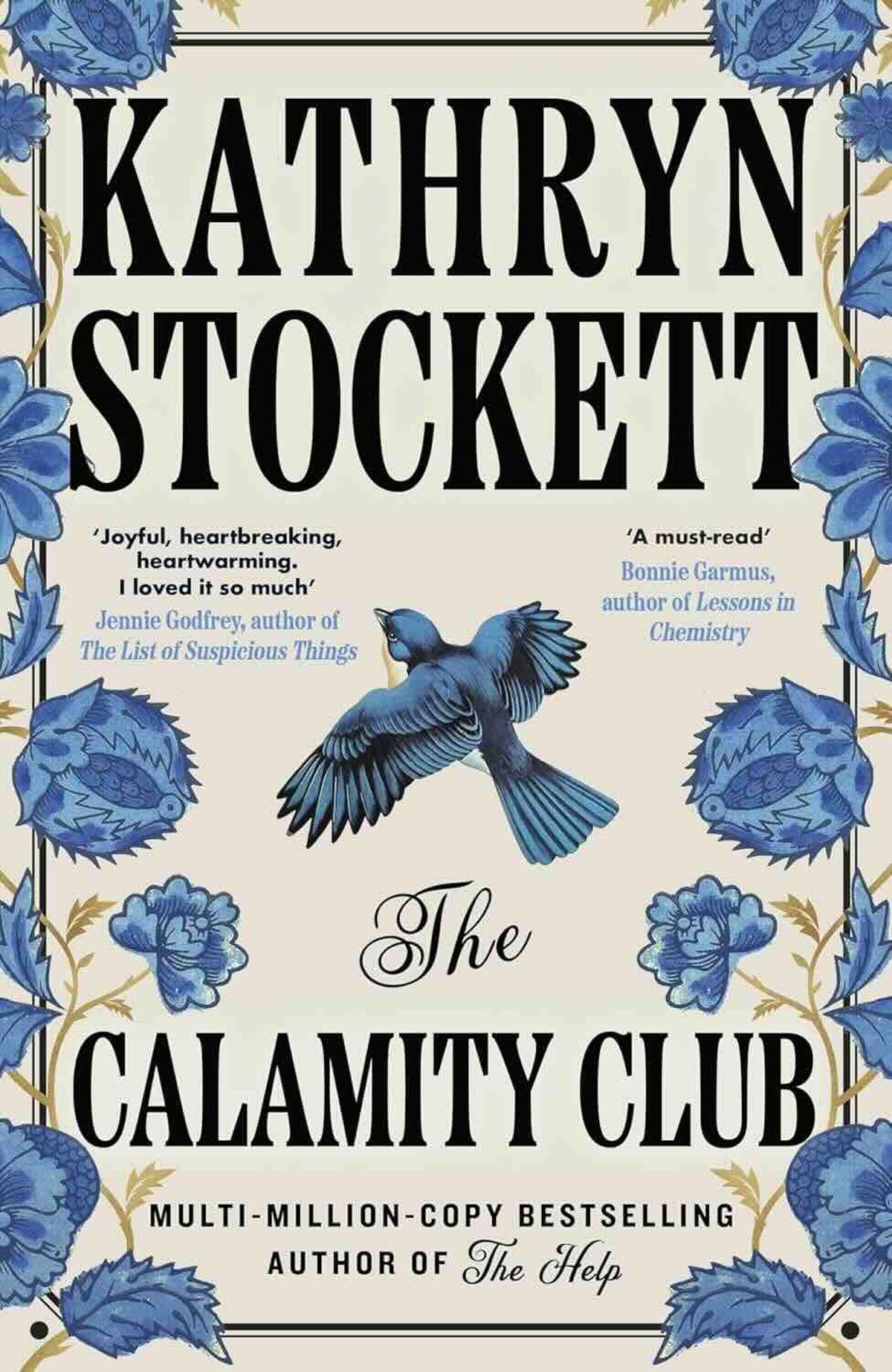
The Calamity Club by Kathryn Stockett
Comments
Want to join the conversation?