Key Takeaways
- •Multi‑POV structure examines resistance against an inexorable alien empire
- •Swarm chapters blend present tense with alien consciousness, earning critical praise
- •Slow middle pacing divides readers, but thematic depth rewards patience
- •Interludes of "Myths of Origin" provide mythic framework for the narrative
- •Positions Corey’s work alongside literary sci‑fi like Le Guin and Tchaikovsky
Pulse Analysis
The release of *The Faith of Beasts* arrives at a moment when space opera is shedding its purely action‑driven reputation. Readers increasingly seek narratives that blend world‑building with philosophical weight, a trend evident in recent best‑sellers like *A Memory Called Empire* and *Children of Time*. Corey’s decision to pair the hard‑science legacy of the Expanse with a literary sensibility—drawing comparisons to Ursula Le Guin and Adrian Tchaikovsky—demonstrates a strategic pivot toward higher‑brow speculative fiction, expanding the genre’s demographic reach and attracting literary‑savvy audiences.
Narratively, the novel’s five interlocking threads showcase a bold structural experiment. The present‑tense swarm chapters give voice to an alien weapon, creating an unsettling intimacy that challenges traditional human‑centric perspectives. Meanwhile, the recurring "Myths of Origin" interludes act as a mythic chorus, providing thematic cohesion across disparate storylines. Although the central sections linger, the deliberate pacing serves the larger argument about endurance versus fleeting victory, rewarding readers who engage with its layered moral discourse.
From a market standpoint, *The Faith of Beasts* reinforces the commercial viability of complex, character‑driven space operas. Its mixed reception underscores a split between fans of fast‑paced adventure and those craving depth, suggesting publishers may invest in hybrid titles that balance spectacle with literary ambition. As the Captive’s War trilogy progresses, its reputation for demanding yet rewarding storytelling could influence upcoming acquisitions, encouraging authors to explore resistance narratives that interrogate empire, memory, and intergenerational sacrifice.
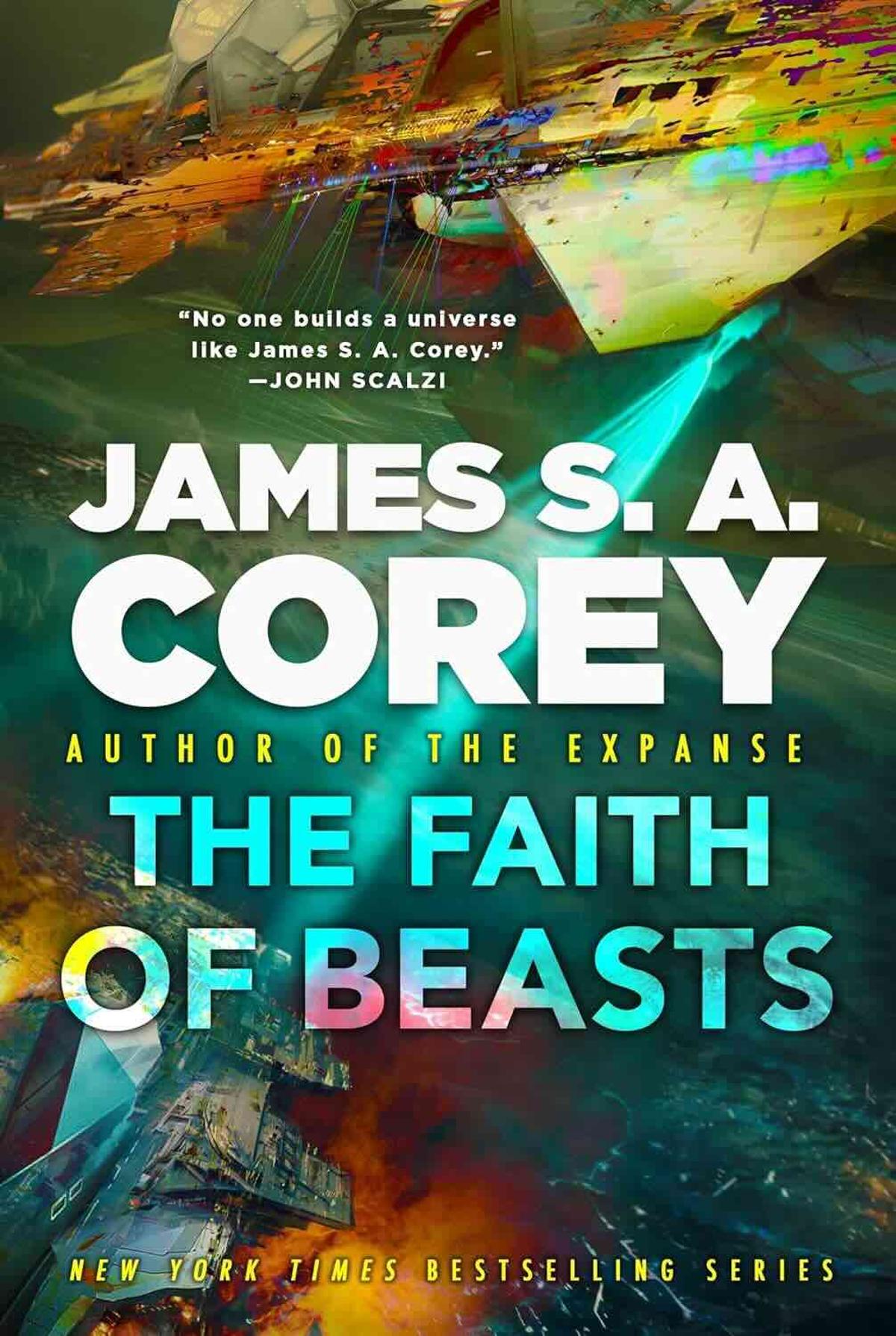
The Faith of Beasts by James S.A. Corey
Comments
Want to join the conversation?