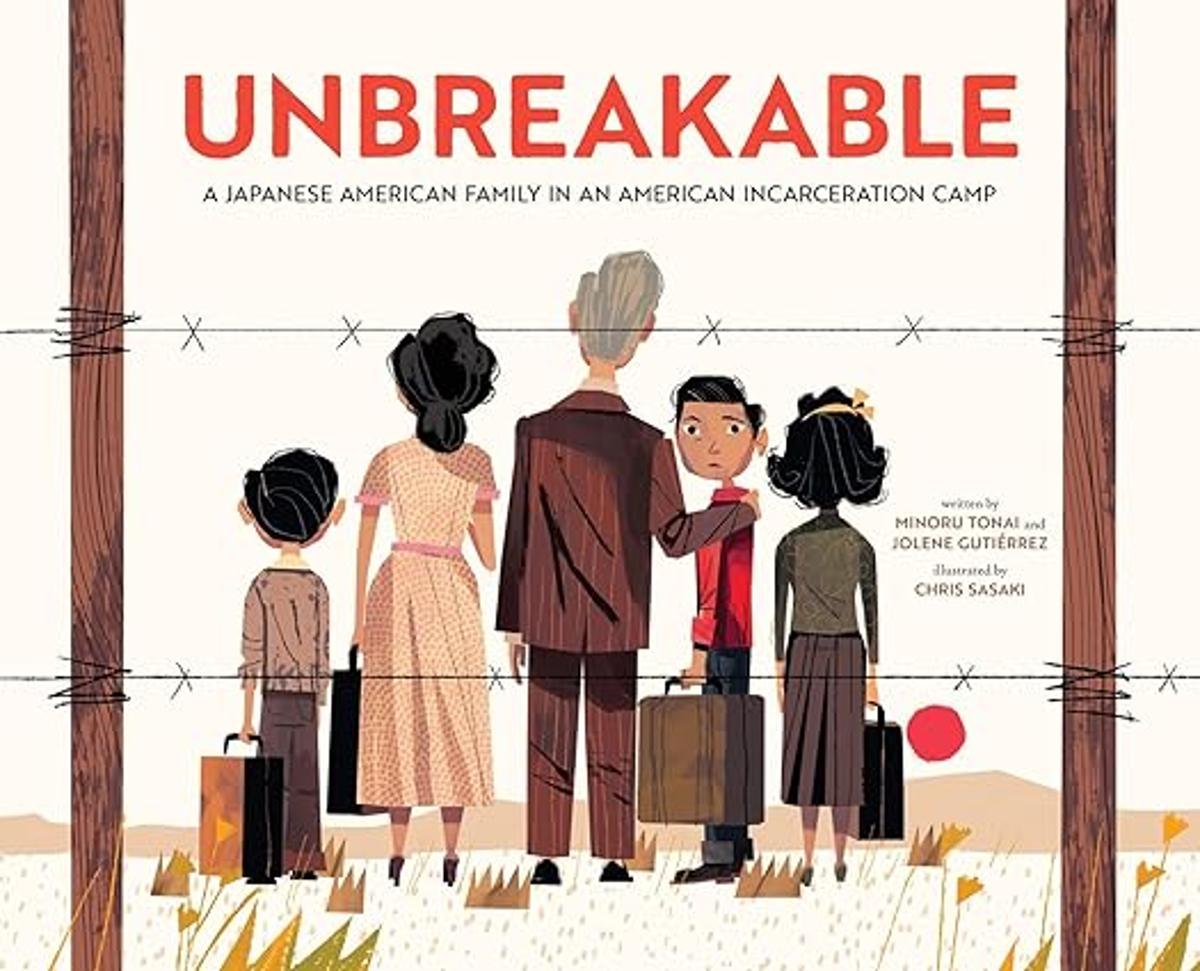
Unbreakable Tells Story of Japanese American Incarceration During WWII
Key Takeaways
- •Based on author Minoru Tonai's own WWII incarceration experience
- •Illustrations by Chris Sasaki convey stark camp conditions vividly
- •Includes timeline, bibliography, and discussion questions for educators
- •Targeted at ages 6‑9, blending history with relatable emotions
Pulse Analysis
Unbreakable, released April 7 2026 by Harry N. Abrams, is a picture‑book memoir that follows Min, a Japanese‑American boy whose father is seized by the FBI after Pearl Harbor and whose family is later relocated to an internment camp in Colorado. The narrative draws directly from co‑author Minoru Tonai’s personal wartime ordeal, offering a rare first‑hand perspective that textbooks often omit. By anchoring the story in a small, smooth stone gifted by Min’s father, the book illustrates how ordinary objects become symbols of resilience amid forced displacement.
The book arrives at a moment when publishers are expanding diverse historical titles for early readers. At $19.99, Unbreakable competes with other award‑winning children’s nonfiction that blend narrative drive with factual depth, such as the recent surge in World War II biographies for ages 5‑10. Chris Sasaki’s stark, emotive illustrations complement Jolene Gutiérrez’s accessible prose, creating a visual‑textual synergy that appeals to both classroom libraries and family shelves. This alignment with current market demand underscores the commercial viability of socially conscious storytelling.
Educators can leverage Unbreakable’s extensive back matter—timeline, bibliography, and discussion prompts—to deepen students’ understanding of the Japanese‑American incarceration and its legacy. The book’s age‑appropriate language invites young readers to grapple with themes of injustice, family loyalty, and civic responsibility, fostering empathy early in the curriculum. As schools nationwide adopt more inclusive histories, titles like Unbreakable become essential tools for meeting state standards while enriching cultural literacy, positioning the work as both a pedagogical resource and a catalyst for community dialogue.
Unbreakable tells story of Japanese American incarceration during WWII
Comments
Want to join the conversation?